


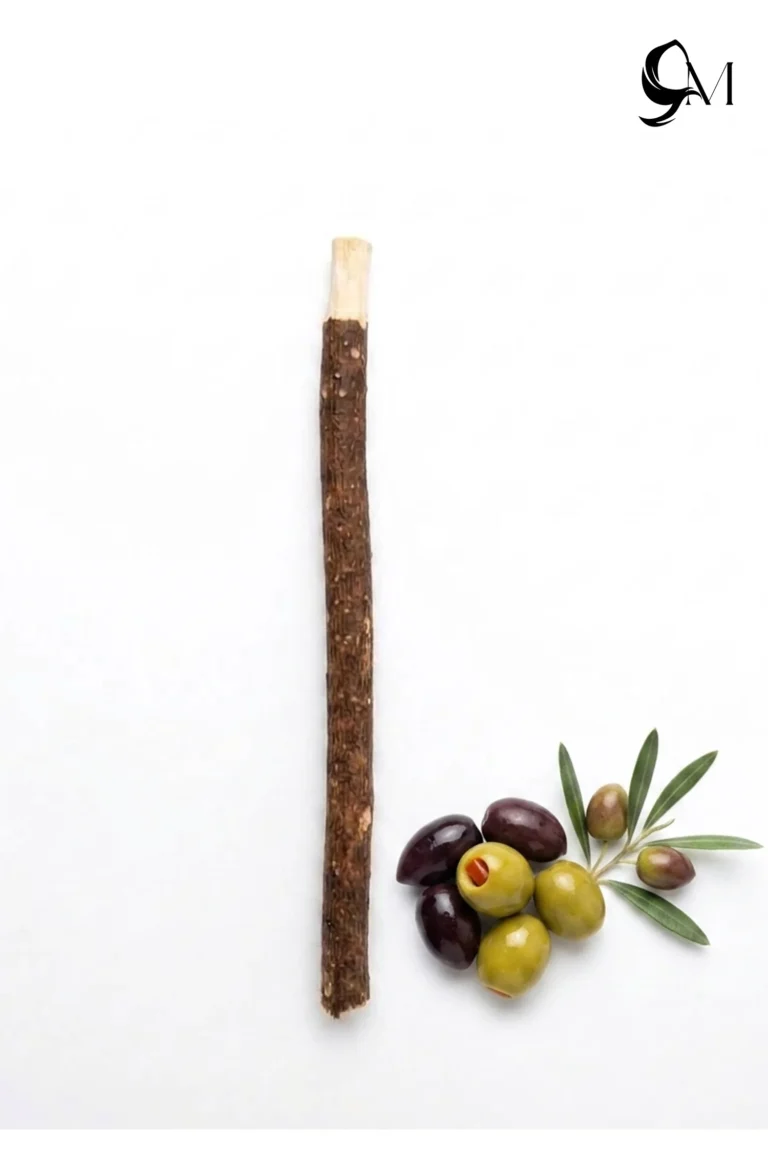
Miswak – Original Sunnah Tooth Miswak Stick Online in Pakistan
Finding a miswak stick that is genuinely fresh, correctly cut, and free from careless handling is harder than most Pakistani buyers expect, since local markets are full of dried out sticks sold with no real quality check. A miswak is the natural tooth cleaning twig used according to Sunnah, valued for cleaning teeth, freshening breath, and strengthening gums without synthetic paste or plastic brushes. Munawer.Pk has spent more than sixty years supplying Hajj and Umrah essentials to families across Pakistan, and our miswak collection follows the same principle we apply to everything else we sell: honest sourcing, correct moisture, and no shortcuts.
In this guide, you will find everything from how to choose the right miswak to authentic hadiths on its use, the science behind how it cleans teeth, pricing in Pakistan, honest customer reviews, and our open check policy.

Summary
- Miswak is a natural, Sunnah-based tooth-cleaning stick from Salvadora persica (Peelu, Arak aka jhag wali), Neem, or Olive wood, free from synthetic chemicals.
- It contains natural fluoride, silica, and antibacterial compounds that clean teeth, whiten stains, and freshen breath, supported by peer-reviewed research.
- Available as sticks (chew and use directly) or micro-ground powder (used with a regular toothbrush).
- Ideal for daily Sunnah practice, Ramadan, and Umrah or Hajj travel, especially since it is unscented and Ihram-safe.
- Munawer.Pk miswak sticks are priced roughly PKR 129 to 349, with 50g powder around PKR 599, based on 2026–2027 market rates.
- Munawer.Pk offers Cash on Delivery, open box checking, and a 7-day return window from the date of delivery.
- Backed by over 60 years of family-owned experience sourcing authentic Hajj and Umrah essentials in Pakistan.
Table of Contents
-
Summary
-
What is Miswak (Siwak)?
-
Historical Background of the Siwak
-
Is Miswak Religious in Islamic Culture?
-
Salvadora Persica aka Mustard Tree (Peelu, Jhag wali Arak) & Neem & Olive – The Trees Behind Miswak
-
Miswak Sticks vs Miswak Powder – Available Forms
-
Miswak: The Prophetic Toothbrush
-
Authentic Hadiths on Miswak
-
Prophet Narration and Events on Miswak
-
What is the Dua and How to Use the Miswak According to the Sunnah
-
Reward for Salah After Using the Miswak
-
Hadiths on the Importance of Miswak
-
-
Benefits of Miswak: More Than Just a Twig
-
Can We Do Miswak While Fasting
-
How Miswak Works – The Science of Natural Teeth Cleaning
-
Fluoride, Silica & Antibacterial Compounds Explained
-
Results You Can Expect (and When)
-
-
Who Should Use Miswak
-
Best Miswak Variant for Your Needs – Peelu, Neem, Zaitoon & Arak Paste
-
Ideal for Umrah, Hajj, Ramadan & Daily Sunnah Practice
-
How to Use Miswak Correctly
-
Step-by-Step Guide for Stick Variants
-
How to Use Miswak Powder with a Toothbrush
-
Storage Tips – Avoiding Mould, Dryness & Powder Clumping
-
-
Miswak vs Plastic Toothbrush & Regular Toothpaste
-
Key Differences in Ingredients and Impact
-
Why Miswak Suits Ihram, Umrah & Sensitive Users
-
-
Features and Benefits of Munawer.Pk's Miswak Collection
-
Natural Teeth Whitening and Stain Removal
-
Gum Health, Bad Breath & Sunnah Reward
-
-
Why Pakistani Buyers Choose Munawer.Pk for Miswak
-
Trusted Quality, Original Sourcing & 60+ Years of Legacy
-
Cash on Delivery, Open Box Checking & After-Sales Support
-
-
What Our Customers Say About Munawer.Pk Miswak
-
Common Questions About Miswak
-
Miswak, Sunnah & Religious Practice Questions
-
Usage, Storage & Shelf-Life Questions
-
What is Miswak (Siwak)?
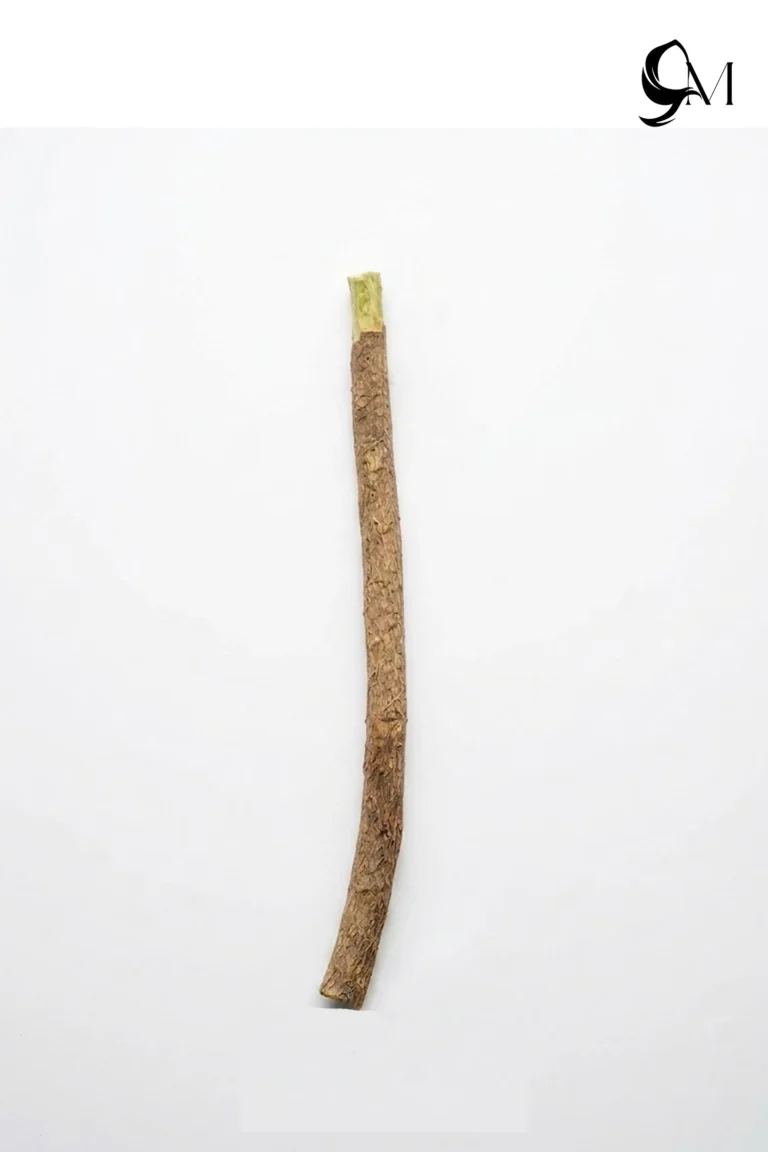
Siwak, also called datun in parts of Pakistan, is a natural chewing stick cut from the roots or branches of specific trees. When chewed, the tip softens into fine, brush like fibers that clean the teeth and gums without any added chemicals. Unlike a plastic toothbrush that wears down and gets thrown away, miswak wood is fully biodegradable and has been used for oral care for thousands of years across the Muslim world.
What makes natural miswak different from ordinary twigs is the tree it comes from. The wood itself carries natural compounds that help fight bacteria and freshen breath as you chew, which is why it has stayed relevant long after synthetic toothpaste became common.
Historical Background of the Siwak
Long before manufactured toothbrushes existed, communities across Egypt, Babylon, Arabia, South Asia, North Africa, China, the UK, and the US used tooth sticks cut from local trees as their primary method of oral hygiene. Historical and religious texts reference the practice going back well over a thousand years, with the tradition strongest in regions close to the Salvadora persica tree's natural habitat. In Pakistan, the custom has been passed down through generations, often taught by elders as one of the first daily habits a child learns alongside wudu and prayer.
Did you know that the first mass production of plastic toothbrushes took place in the 1940s and 1950s?
Is Miswak Religious in Islamic Culture?
Yes. Miswak holds a central place in Islamic personal hygiene and is directly tied to the Sunnah of Prophet Muhammad (peace be upon him). It is recommended before prayer, before wudu, upon waking, and at various points throughout the day. Beyond the religious weight, its cultural presence in Pakistani households runs deep, particularly during Ramadan when usage rises sharply, and even more so as families prepare for Hajj or Umrah, when a miswak is often one of the first items packed.
Salvadora Persica aka Mustard Tree (Peelu, Jhag wali Arak) & Neem & Olive – The Trees Behind Miswak
Most miswak sold in Pakistan comes from one of a few key species. Peelu and Jhag wali Arak both come from the Salvadora persica, or mustard tree, with Peelu sourced from the branch and Arak from the root, giving it a naturally foaming, paste-like texture. Neem sticks come from the neem tree and carry a stronger, more bitter, antiseptic character. Zaitoon miswak is cut from organic olive wood and offers a much milder taste. Each miswak stick tree brings a different texture, strength, and flavor to the daily routine.
Miswak Sticks vs Miswak Powder – Available Forms
A miswak stick works on its own, no water or paste required, which makes it ideal for travel, work, or after meals when you cannot easily brush. Miswak powder, sometimes called miswak datun in ground form, is made by micro-grinding the same wood and is used with a regular toothbrush, giving people who prefer a familiar brushing motion the same natural benefits without chewing a stick. Both forms come from the miswak trees and offer the same core cleaning action, just in a different format for different routines.
Miswak: The Prophetic Toothbrush
Miswak is often described as the earliest known toothbrush, and its place in the daily life of Prophet Muhammad (peace be upon him) is documented across multiple authentic hadith collections. It was not an occasional habit but a consistent one, mentioned in connection with prayer, wudu, waking from sleep, and even the final days of his life. Understanding this background helps explain why the practice remains so deeply rooted in Pakistani Muslim households today.
Authentic Hadiths on Miswak
Hudhayfah (may Allah be pleased with him) reported that whenever the Prophet rose at night, he would clean his mouth with the siwak before starting his prayer.
This narration is recorded in Sahih al-Bukhari and Sahih Muslim, with authenticity agreed upon by both collections.
The Prophet would clean his mouth with siwak upon rising at night, before beginning his prayer.
Jab Nabi Kareem (SAW) raat ko uthte, to namaz se pehle miswak se apna moun saaf karte thay.
آپ صلی اللہ علیہ وسلم رات کو اٹھتے تو نماز سے پہلے مسواک سے اپنا منہ صاف فرماتے تھے۔
Also, the Prophet (SAW) Said:
“Truly, Allah loves those who turn to Him constantly, and He loves those who keep themselves pure and clean.” (Al Baqarah 2:222)
“In it (mosque) are men who love to clean and to purify themselves. And Allah loves those who make themselves clean and pure.” (9:108)
Moreover, the Prophet (SAW) said:
"Were it not that it would be difficult on my Ummah, I would have commanded them to use the miswak for every prayer."
(Sahih Muslim, Book 2, Hadith 252)
"السِّوَاكُ مَطْهَرَةٌ لِلْفَمِ مَرْضَاةٌ لِلرَّبِّ"
"The miswak cleanses the mouth and pleases the Lord."
(Sahih al-Bukhari, Hadith 887)
"A prayer performed after using the miswak is better than seventy prayers performed without using it."
(Sunan Ibn Majah, Hadith 289)
(ضعيف - Weak hadith)
Prophet Narration and Events on Miswak
Aisha (may Allah be pleased with her) narrated that even during the Prophet's final illness, he asked for a miswak to be brought to him, chewed it to soften it, then used it himself. This shows the practice was not reserved for healthy, ordinary days; it stayed part of his routine until his last moments, which is one reason scholars describe miswak as more than a habit; it was a lifelong Sunnah.
What is the Dua and How to Use the Miswak According to the Sunnah
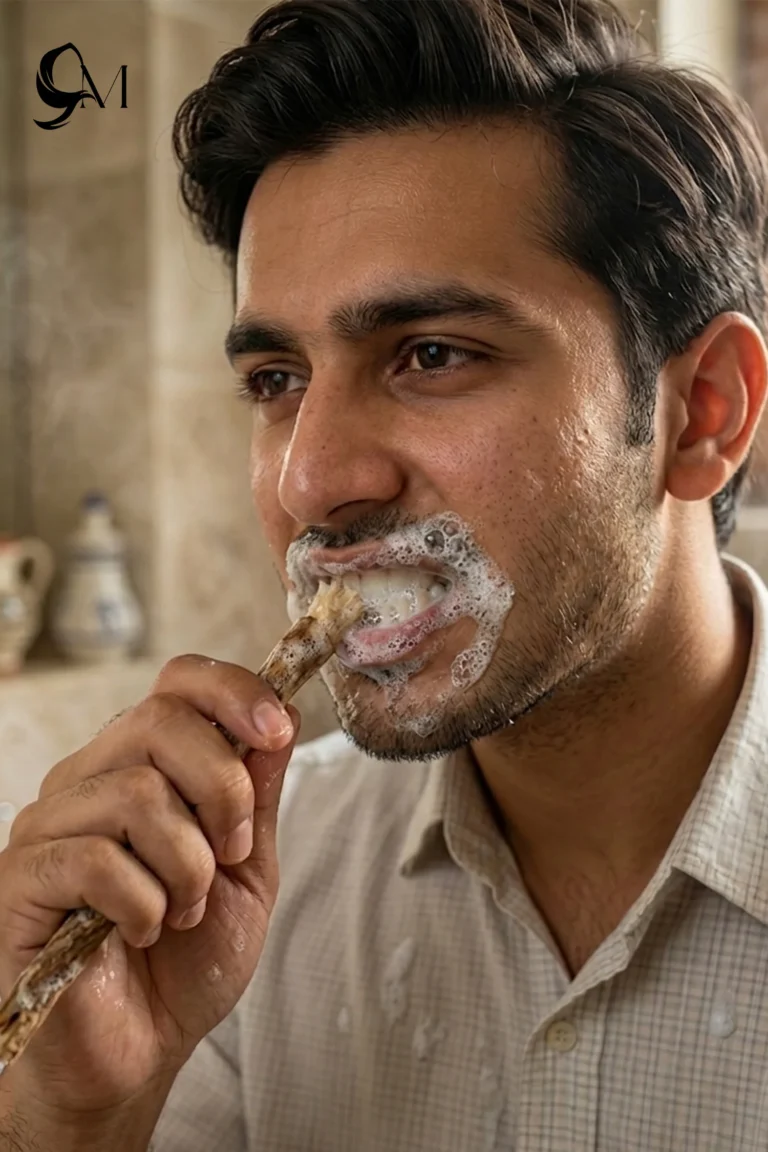
Many scholars recommend reciting a short dua before using the miswak, asking Allah for purification of the mouth and increase in reward, though no single wording is fixed in the strongest hadiths. In practice, hold the stick between the thumb and first two fingers, start on the right side, and brush gently across the teeth and gumline rather than scrubbing hard.
Reward for Salah After Using the Miswak
A well-known narration mentions that prayer performed after using the miswak carries far greater reward than prayer performed without it, with some reports citing up to seventy times, though scholars differ on the exact grading of this specific wording. What is agreed upon across authentic hadith is that using siwak before every prayer is a strongly encouraged Sunnah, and the Prophet said that if it were not too difficult for his followers, he would have ordered them to clean their teeth with siwak before every prayer.
Hadiths on the Importance of Miswak
The Prophet (peace and blessing be upon him) emphasized the value of the Miswak in numerous Hadiths:
-
On Reward: “A salat offered after one has used it is 70 times superior to the salat offered without it.”
-
On Obligation: “Jabrael (peace be upon him) recommended using a miswak so much that I feared that it would be made obligatory (fard).”
-
On Regular Use: “If I had not found it a hardship for my Ummah, I would order them to make wudu’ for every salat and to use miswak in every wudu’”.
-
On Angels: “When you get up for Salat al-Layl, clean your mouth with a miswak because an angel comes close to the mouth of the person reciting the Qur’an in salat and listens to his recitation.”
Another beautiful narration states:
“Your mouths are the pathways of the Qur’an, so clean them with a miswak.”
Benefits of Miswak: More Than Just a Twig
Beyond its religious significance, the Miswak is a powerhouse for dental health. It is used to treat dental problems and clean teeth easily.
Medically speaking, using natural means to maintain dental health often has advantages over chemicals. Unlike some commercial dentifrices that may kill all bacteria (including the good kind), the Miswak has natural antibacterial properties that target harmful bacteria while preserving the mouth’s microbiome.
Key Benefits Include:
-
Cleans and Whitens: It effectively removes light plaque and slightly whitens the teeth naturally.
-
Strengthens Gums: Regular use helps prevent gingivitis and strengthens the gums.
-
Freshens Breath: It eliminates bad odor and brings an end to phlegm.
-
Digestion: It facilitates digestion and restores the stomach to health.
-
Spiritual Benefit: As mentioned in Hadith, it “multiplies good deeds. A person using a miswak pleases Allahu ta’ala and delights angels.”
The Prophet (peace and blessings of Allah be upon him) summarized it perfectly:
“The Miswak (tooth-stick) cleanses and purifies the mouth and pleases the Lord.”
Can We Do Miswak While Fasting
Yes, using a miswak is permissible while fasting in Ramadan and does not break the fast, according to the majority of scholars.
Care should be taken to avoid swallowing any saliva mixed heavily with the wood's natural extract, and using it in moderation, especially in the later hours of the fast, is generally recommended.
How Miswak Works – The Science of Natural Teeth Cleaning
Beyond its religious value, natural miswak has a genuine mechanical and chemical action on the teeth. The fibers that form when you chew the tip act like a natural, disposable brush head, physically dislodging plaque and food particles. At the same time, the wood itself releases compounds into the saliva that continue working after you have finished chewing, which is part of why regular users report noticeably fresher breath that lasts longer than mint flavored toothpaste alone.
Fluoride, Silica & Antibacterial Compounds Explained
Salvadora persica wood naturally contains fluoride, silica, and other plant compounds that support tooth strength and help resist bacterial buildup. Research on Salvadora persica extract has identified organic compounds such as flavonoids and tannins alongside inorganic substances including fluoride, chloride, and thiocyanate, which together give the wood measurable antimicrobial activity against common oral bacteria, according to a peer reviewed review on the National Library of Medicine. This is the same mechanism behind miswak for teeth whitening claims, the silica content gently buffs surface stains while the antibacterial action reduces the plaque that causes discoloration in the first place.
Results You Can Expect (and When)
Most regular users notice fresher breath within the first few days, since bacteria reduction happens quickly with consistent use. Visible results from miswak whiten teeth over two to four weeks of daily use, as surface stains from tea, coffee, or paan gradually buff away. Gum sensitivity or bleeding often improves over a similar window, particularly with the Neem variant.
Note: Don't expect overnight result and if you have a major dental problem consult a dentist
Who Should Use Miswak
In our experience selling traditional Islamic personal care for years across Pakistan, miswak suits a wide range of people, not just those looking for the strictly religious angle. Anyone wanting a chemical-free, portable alternative to plastic brushes benefits, and it works particularly well for children and elderly users with sensitive gums, since the natural fibers are gentler than stiff bristles. Customers who use it regularly tell us the biggest surprise is how quickly bad breath improves compared to ordinary toothpaste.
Best Miswak Variant for Your Needs – Peelu, Neem, Zaitoon & Arak Paste
| Variant | Taste Profile | Best For |
|---|---|---|
| Arak Paste (Jhag Wali) | Mild, naturally foaming | Sunnah, Overall best miswak stick, closest to a natural toothpaste |
| Peelu | Soft, mild | Sunnah, Daily use, beginners, sewak miswak first timers |
| Zaitoon (Olive) | Very mild, most popular | Sunnah, Sensitive mouths, children, gentle daily clean |
| Neem | Strong, bitter, antiseptic | Active gum bleeding, tobacco stains, ulcers |
For anyone asking which is the best quality miswak, original Arak paste, Zaitoon and fresh Peelu are the three most requested by returning customers, while Neem is chosen specifically for therapeutic use rather than daily comfort.
Ideal for Umrah, Hajj, Ramadan & Daily Sunnah Practice
Miswak is one of the most practical toothbrush/paste for Hajj or Umrah alternatives available, since it needs no water, foaming agent, or rinsing cup, making it ideal inside Ihram when scented products are restricted. As a fragrance free toothpaste for umrah replacement it also saves luggage space. You can also explore our Hajj and Umrah accessories for other travel-friendly essentials that pair well with your miswak. Browse our Hajj & Umrah accessories
How to Use Miswak Correctly
Using a miswak properly makes a real difference in comfort and results, and after years of selling miswak in Pakistan, we consistently see the same beginner mistakes, mainly choosing a dry stick or chewing too roughly at first.
Step-by-Step Guide for Stick Variants
- Choose a miswak with a yellow interior rather than black, grey or brown, since darker wood tends to taste more bitter.
- Trim with knief (better) or chew away about an inch of the outer bark from one tip.
- Chew the exposed fibers gently until they split into soft, brush-like bristles.
- Brush the bristles across all tooth surfaces and tongue and along the gumline for one to two minutes.
- Snip off the worn tip every two to three days to reveal a fresh brush head.
This is the best miswak routine for daily use, and it takes most people only a few tries to get comfortable with it.
How to Use Miswak Powder with a Toothbrush
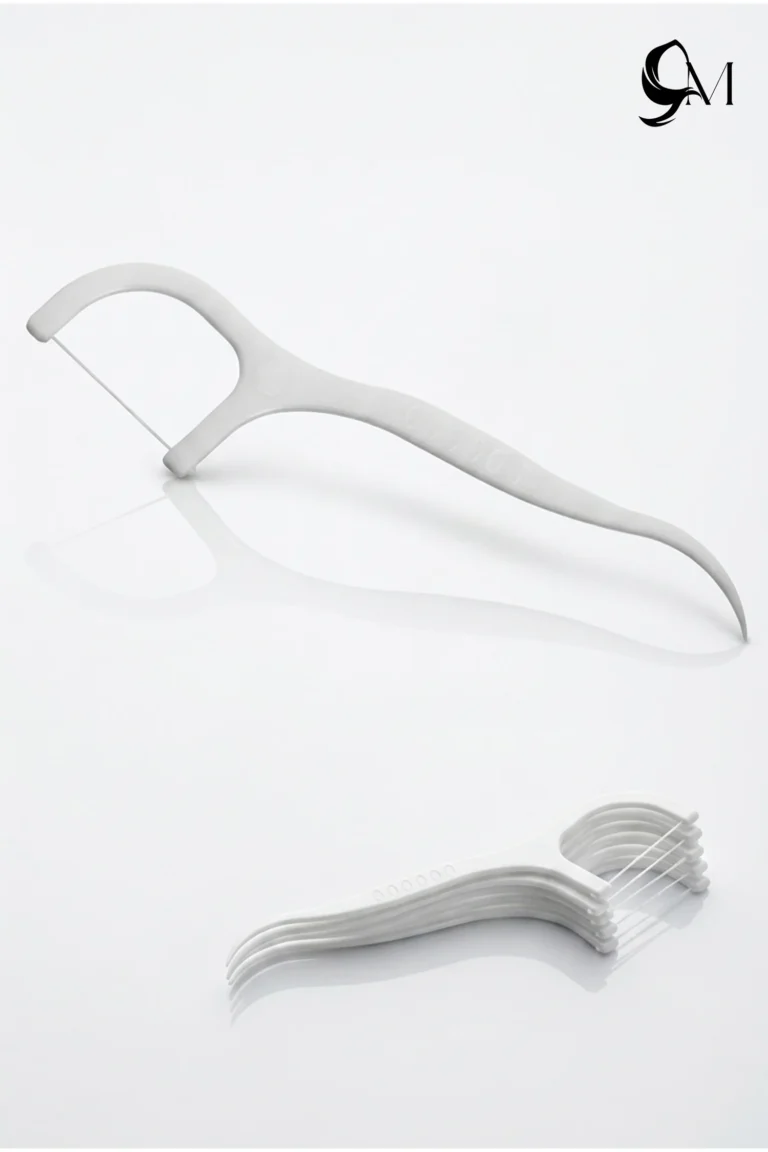
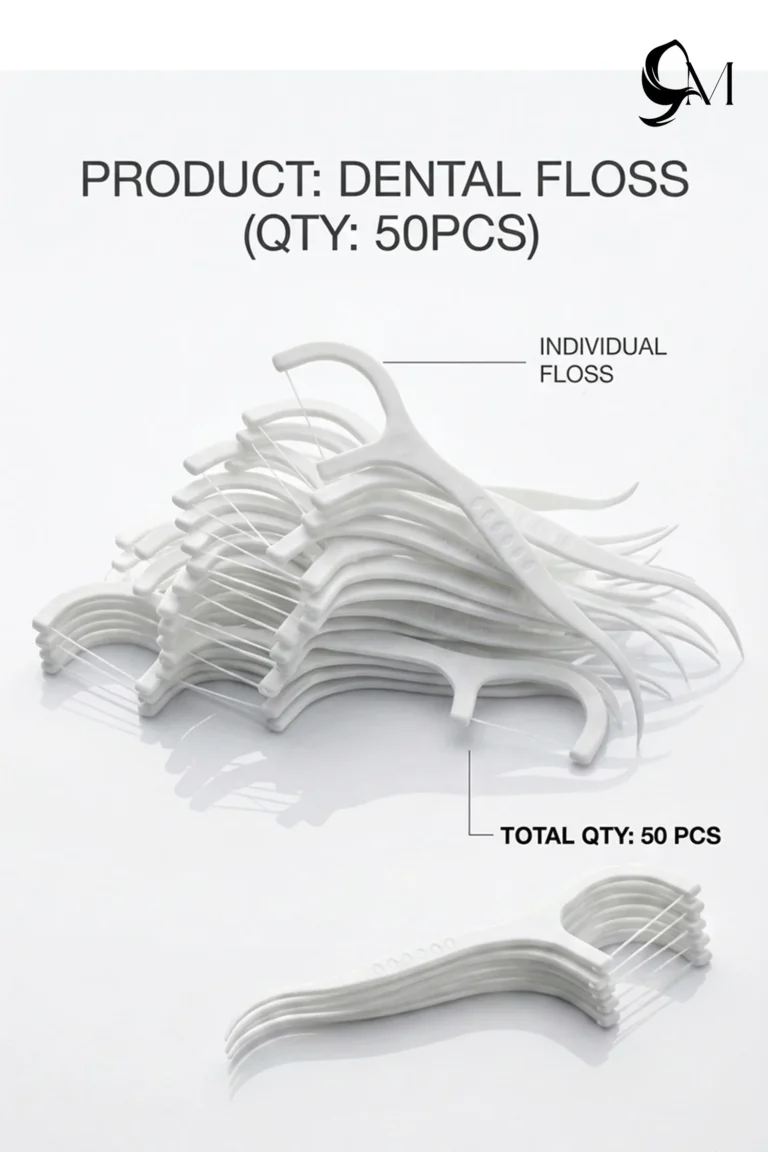
Dampen your toothbrush/miswak bristles slightly with plain water, then dip the wet tips directly into the powder jar, or place a pinch in your palm and dip from there (Better to prevent molding inside the jar due to mosture . Brush normally for around two minutes, covering teeth and tongue, then rinse thoroughly. Also pair it with dental floss for a complete oral care routine. This method suits anyone who wants the benefits of the best natural toothpaste alternative without changing their existing brushing habit.
Storage Tips – Avoiding Mould, Dryness & Powder Clumping
Keep sticks in a ventilated holder rather than a sealed bag, since trapped moisture leads to mould within days. Never store a wet stick inside an airtight plastic pouch. For powder, always use a dry spoon or dry fingers, since any splash of water inside the jar will cause it to harden into a solid, unusable lump.
Miswak vs Plastic Toothbrush & Regular Toothpaste
The biggest difference between miswak and conventional oral care is what is missing from it. There is no SLS foaming agent, no artificial mint flavour that can irritate sensitive gums, no synthetic dye, and no microplastic shedding from worn-out bristles, all things standard toothpaste and toothbrushes rely on. A clinical comparison of miswak chewing sticks and standard toothbrushes
Key Differences in Ingredients and Impact
A few points stand out when comparing the two:
- Plastic toothbrushes wear down and are discarded every few months, adding to landfill waste, while miswak sticks are fully biodegradable.
- Regular toothpaste depends on artificial foaming and flavouring agents, while miswak's cleaning action comes directly from the wood itself.
- Standard brushes can shed microplastic particles into the mouth over time as bristles wear, a concern miswak does not carry at all.
Why Miswak Suits Ihram, Umrah & Sensitive Users
Because it contains no fragrance, dye, or foaming chemical, miswak works as a natural fragrance free toothpaste alternative for anyone in Ihram, where scented products are restricted. It is equally suited to people who simply prefer an unscented toothpaste due to sensitivities, allergies, or a general preference for fewer synthetic ingredients. Many customers pair it with the rest of our fragrance-free toiletries kit for a fully Ihram-safe hygiene routine. Explore our full Umrah & Hajj toiletries kit.
Features and Benefits of Munawer.Pk's Miswak Collection
Every batch in our collection is checked for correct moisture and freshness before it ships, since a dried out stick simply does not work as well, no matter how good the tree source is.
Natural Teeth Whitening and Stain Removal
The natural silica in miswak safely buffs away yellow plaque and the surface staining left behind by nicotine, tea, or coffee, without the abrasiveness of some whitening toothpaste formulas. Consistent daily use tends to produce more even, gradual miswak whitening results than one-off whitening treatments.
Gum Health, Bad Breath & Sunnah Reward
The gentle massaging action while chewing increases blood flow to the gums, which many customers say reduces general soreness over time. Because the bacteria causing bad breath are addressed directly rather than masked with sugar or mint, the freshness tends to last longer, alongside the Sunnah reward of a practice observed daily.
Why Pakistani Buyers Choose Munawer.Pk for Miswak
We have been supplying Islamic personal care and Hajj and Umrah essentials for over sixty years as a family owned business, which means our approach to sourcing something as simple as a miswak stick is not new to us, it is the same standard we have held for decades.
Trusted Quality, Original Sourcing & 60+ Years of Legacy
Sixty plus years in this space has taught us which suppliers cut sticks correctly and which do not. Every batch we list as miswak original is checked for the right interior colour, size, and freshness before it reaches our shelves, not just sourced and shipped without review.
Cash on Delivery, Open Box Checking & After-Sales Support
You can buy miswak online with Cash on Delivery and open box checking, so you inspect your order before paying. If anything about your delivery is not right, our policy is direct: "You can request a return within 7 days from the date of delivery," and our support team is reachable on WhatsApp for anyone who wants to buy miswak online with full confidence. Full terms are available on our Refund and Return Policy page. See all Hajj & Umrah accessories with COD
What Our Customers Say About Munawer.Pk Miswak
Real feedback from people who buy miswak from us regularly, shared here with their permission.
"Best miswak I have used in years, the Peelu one is so soft it barely needs any chewing time before it is ready. Delivery to Lahore was quick and the packaging kept it fresh." — Sana R., Lahore
"Order kiya tha for Umrah trip, orignal quality hai, no complaints at all. COD option made it easy and open box checking gave peace of mind before paying." — Imran K., Karachi
"Neem variant genuinely helped my gum bleeding. Bitter at first but worth it. Ordered again from Munawer.Pk without thinking twice." — Bilal A., Islamabad
Common Questions About Miswak
Miswak, Sunnah & Religious Practice Questions
Q: Is using miswak obligatory in Islam?
A: No, it is a strongly recommended Sunnah rather than an obligation, though many scholars consider it very close to essential before each prayer.
Q: Can women use miswak the same way as men?
A: Yes, there is no difference in how miswak is used or recommended between men and women in Islamic teaching.
Q: Is it appropriate to use miswak in Ihram?
A: Yes, since it carries no fragrance or added scent, miswak is considered suitable for use during Ihram.
Usage, Storage & Shelf-Life Questions
Q: How long does one miswak stick last?
A: With daily trimming of the worn tip every two to three days, a single stick typically lasts two to three weeks of regular use.
Q: Why does my miswak taste very bitter?
A: A dark interior, usually black or brown rather than pale yellow, is the most common cause of excess bitterness, particularly with Neem sticks.
Q: Can children use miswak safely?
A: Yes, though Peelu or Zaitoon are gentler starting points, since Neem's strong bitterness can be an unpleasant shock for younger users.
Q: What is a miswak and what is its role in Islamic oral hygiene?
A: A miswak is a natural teeth-cleaning stick made from the twigs or roots of specific trees — most commonly the Salvadora persica tree — that has been used for oral hygiene for thousands of years across the Arabian Peninsula, South Asia, and Africa. In Islamic oral hygiene, the miswak occupies a uniquely elevated position — it is not merely a traditional alternative to a toothbrush but a specifically endorsed Sunnah practice recommended by the Prophet Muhammad ﷺ with such frequency and emphasis that scholars consider its regular use one of the most consistently recommended personal hygiene acts in Islam.
The miswak cleans teeth through a combination of mechanical scrubbing — the frayed fibers act like natural toothbrush bristles — and chemical action from the numerous active compounds naturally present in the wood, including antibacterial agents, fluoride compounds, and astringents. Its role in Islamic oral hygiene is comprehensive: maintaining tooth cleanliness, freshening breath, strengthening gums, and fulfilling a religious practice simultaneously — making it one of the most complete oral hygiene tools available from both a scientific and spiritual perspective.
Q: What does the word miswak mean in English?
A: The word miswak (مسواک) comes from the Arabic root "sawk" meaning to rub or scrub. In English, it is most accurately described as a teeth-cleaning stick, chewing stick, or natural toothbrush. It is also commonly referred to by its Arabic synonym siwak (سواک) — the two terms refer to the same practice and the same object and are used interchangeably in Islamic texts and everyday usage across Muslim communities worldwide.
Q: Where does the miswak originate from and what is its historical background?
A: The use of chewing sticks for oral hygiene predates Islam by thousands of years — archaeological evidence suggests their use in ancient Babylon, Egypt, Greece, and Rome. In the Arabian Peninsula specifically, the use of the Salvadora persica twig for teeth cleaning was already a well-established practice before the advent of Islam.
The Prophet Muhammad ﷺ endorsed and elevated this existing practice by making it a specific Sunnah — transforming it from a cultural hygiene habit into a spiritually meritorious act. References to miswak use appear in hadith collections covering the full span of the Prophet's ﷺ life, indicating consistent lifelong use.
The practice spread with the expansion of Islam across the Arabian Peninsula, North Africa, the Indian subcontinent (where it became deeply embedded in Pakistani and Indian Muslim culture), and Sub-Saharan Africa. In Pakistan, miswak has been continuously used for centuries and remains a common sight in religious communities, mosques, and traditional households, with Pakistan also being a significant global producer and exporter of Salvadora persica miswak sticks.
Q: Which country is miswak originally from and where is it most commonly found?
A: The Salvadora persica tree — the primary source of authentic miswak — is native to Sindh- Pakistan, Arabian Peninsula, particularly the regions of modern-day Saudi Arabia, Yemen, and Oman. It also grows extensively across:
- The Indian subcontinent — Pakistan (particularly Sindh and Balochistan), India (Rajasthan and Gujarat), and Bangladesh
- North and East Africa — Sudan, Somalia, Ethiopia, Kenya, and Egypt
- The Middle East — Jordan, Iraq, Syria, and Iran
Pakistan is particularly significant in the global miswak supply chain — Pakistani-grown Salvadora persica miswak sticks are exported to Muslim communities worldwide, with the Sindh province being the primary production region. The tree thrives in arid and semi-arid environments, making the dry regions of Pakistan ideal for its cultivation.
Q: What type of tree is a miswak made from and what is its scientific name?
A: The authentic and most widely used miswak is made from the Salvadora persica tree — commonly called the Arak tree in Arabic (أراك), which is also the name used in hadith literature when referring to the specific tree the Prophet ﷺ used for miswak. The complete scientific classification:
- Kingdom: Plantae
- Family: Salvadoraceae
- Genus: Salvadora
- Species: Salvadora persica
The tree is a small, evergreen shrub or tree reaching 3 to 10 meters in height, with a gnarled trunk, drooping branches, small oval leaves, tiny white-yellow flowers, and small round berries. Both the thin branches (twigs) and the roots of the tree are used as miswak — roots are generally considered higher quality and more potent in their active compounds because root tissue tends to have higher concentrations of the beneficial chemical constituents.
Q: What is the English name of the tree used to make miswak sticks?
A: The Salvadora persica tree is known by several English common names:
- Toothbrush tree — the most descriptive and widely used English name, directly referencing its primary traditional use
- Mustard tree — based on its small mustard-like berries
- Meswak tree or Miswak tree — Anglicized versions of the Arabic name that have entered common usage in English-language texts about Islamic hygiene
In Urdu and Pakistani usage, the tree is commonly called Pilu (پیلو) — a name used both for the tree and its edible berries, which are a traditional snack in rural Pakistani communities.
Q: Which tree's miswak is considered sunnah according to Islamic teachings?
A: The Arak tree (Salvadora persica) miswak is specifically identified in hadith as the tree whose miswak the Prophet Muhammad ﷺ used and recommended. Ibn Umar (may Allah be pleased with him) reported that the Prophet ﷺ praised the Arak tree specifically. However, Islamic scholars have clarified that while the Arak miswak is the most virtuous choice and the Sunnah specifically, using miswak from other trees with similar properties is also permissible and valid for fulfilling the Sunnah practice. Other trees whose twigs have been used for miswak and are considered acceptable by scholars include:
- Neem tree (Azadirachta indica) — widely used in the Indian subcontinent including Pakistan; has well-documented antibacterial properties
- Olive tree (Olea europaea) — mentioned in some scholarly discussions as permissible
- Walnut tree (Juglans regia) — some hadiths mention the Prophet ﷺ using walnut wood for miswak
The consensus is that Arak/Salvadora persica is the most virtuous, while alternatives with similar cleaning and antibacterial properties are acceptable substitutes when Arak is unavailable.
Q: What chemical compounds are found in a miswak stick that benefit oral health?
A: Miswak's effectiveness is supported by an impressive list of naturally occurring active compounds that have been identified through modern chemical analysis:
Antibacterial agents:
- Benzyl isothiocyanate (BITC) — the primary antibacterial compound; highly effective against Streptococcus mutans (the main cavity-causing bacteria) and other oral pathogens
- Trimethylamine — contributes to antibacterial action
Remineralizing agents:
- Fluoride — naturally occurring fluoride compounds in Salvadora persica; at concentrations that strengthen enamel and help prevent demineralization
- Calcium — contributes to remineralization of early decay sites
- Silica — a mild natural abrasive that removes surface stains without damaging enamel
Anti-inflammatory compounds:
- Salvadorine — an alkaloid with anti-inflammatory and antibacterial properties
- Chloride compounds — act as antibacterial agents
Astringents:
- Tannic acid — tightens and strengthens gum tissue; reduces gum bleeding
Others:
- Saponins — natural detergent-like compounds that create mild foaming action
- Vitamin C — supports gum health and collagen formation
- Sulfur compounds — contribute to antibacterial action
- Resins — form a protective layer on tooth enamel
Q: Does miswak naturally contain fluoride and how does it compare to toothpaste?
A: Yes — miswak naturally contains fluoride in the form of fluoride ions embedded in the plant tissue. Research published in peer-reviewed dental journals has confirmed measurable fluoride content in Salvadora persica, though the concentration varies by region of growth, age of the plant, and part of the plant used (roots vs twigs). The fluoride in miswak is naturally occurring and released gradually during use — as the fibers are worked against the teeth, fluoride ions are released directly onto the enamel surface where they contribute to remineralization.
Compared to fluoride in conventional toothpaste — which is added in precisely calibrated concentrations (typically 1000 to 1500 ppm for adults) and formulated for rapid fluoride delivery — the fluoride in miswak is present at lower and variable concentrations but is released through sustained mechanical contact during the longer duration of miswak use compared to typical brushing. Research suggests the total fluoride exposure from regular miswak use, while lower per session, is clinically meaningful as a contribution to cavity prevention when miswak is used correctly and frequently throughout the day as recommended in Sunnah.
Q: What are the key benefits of using a miswak stick for oral and overall health?
A: Research and centuries of traditional use support a comprehensive list of benefits:
Oral health benefits:
- Cavity prevention — antibacterial compounds (particularly BITC) inhibit Streptococcus mutans, the primary cavity-causing bacteria
- Gum disease prevention — anti-inflammatory and antibacterial compounds reduce gingivitis and periodontitis risk
- Natural teeth whitening — silica and the mechanical scrubbing action gradually remove surface staining
- Fresh breath — antibacterial action addresses the root cause of bad breath rather than merely masking it
- Tartar reduction — regular mechanical and chemical action inhibits tartar formation
- Enamel strengthening — natural fluoride contributes to remineralization
Systemic and overall health benefits documented in research:
- Digestive benefit — increased saliva production during miswak use aids digestion; some studies suggest miswak use before meals improves digestive enzyme activity
- Anti-carcinogenic properties — benzyl isothiocyanate has been studied for anti-cancer properties in laboratory research
- Antimicrobial systemic benefit — reducing oral bacterial load reduces the systemic inflammation associated with periodontal disease and linked to cardiovascular disease
Q: How does using a miswak benefit digestive and stomach health?
A: The digestive benefit of miswak operates primarily through the stimulation of saliva production. Using a miswak generates significantly more saliva than conventional brushing due to the chewing-like action involved in its use. Saliva contains digestive enzymes — particularly salivary amylase — that begin carbohydrate digestion in the mouth before food reaches the stomach. Increased saliva production enhances this pre-digestive process and also stimulates the digestive system to prepare for food intake.
Some traditional Islamic medicine (Tibb-e-Nabawi) sources and limited modern research suggest that the alkaloids and compounds in miswak may also have mild stomach-soothing properties. The Prophetic tradition of using miswak before meals aligns with this digestive benefit — using it before eating both cleans the oral cavity and stimulates the digestive preparatory response.
Q: Is miswak scientifically proven to be good for teeth?
A: Yes — miswak is among the most scientifically studied traditional oral hygiene tools, with a substantial body of peer-reviewed research supporting its effectiveness. Key findings from scientific literature:
- A WHO report from 2000 concluded that miswak is effective for oral hygiene and recommended its promotion and research given its accessibility in developing countries
- Multiple comparative studies between miswak and conventional toothbrushing have found equivalent or superior plaque removal when miswak is used correctly
- Studies published in the Journal of Periodontology and other dental journals have confirmed miswak's effectiveness against the key pathogens responsible for cavities and gum disease
- Research has confirmed the presence and activity of antibacterial compounds — particularly BITC — that are effective against oral pathogens at concentrations naturally present in the stick
- Studies comparing gingivitis markers between miswak users and toothbrush users have found lower inflammation markers in consistent miswak users
The scientific consensus is that miswak is a genuinely effective oral hygiene tool — not merely a cultural practice with placebo value — and that its effectiveness is explained by the combination of mechanical cleaning and chemical activity of its natural compounds.
Q: Can miswak ever be bad for your teeth if used incorrectly?
A: Yes — improper miswak use can cause harm:
- Excessive pressure — scrubbing too hard with miswak causes gum recession and enamel abrasion, the same problem caused by aggressive toothbrushing
- Using a miswak that is too dry and stiff — a dry miswak becomes harsh and scratchy; it should always be pre-moistened before use
- Incorrect direction — horizontal back-and-forth motion (similar to incorrect toothbrushing technique) can cause enamel wear at the gumline; correct technique uses downward strokes on upper teeth and upward strokes on lower teeth
- Using a contaminated or spoiled miswak — a miswak that has developed mold or bacterial contamination is a hygiene risk rather than a benefit
- Not trimming regularly — worn fibers become matted and ineffective; regular trimming is essential for effectiveness
- Sharing miswak — sharing a miswak transfers oral bacteria between users; always use a personal stick
Q: Does miswak effectively whiten teeth and how long does it take?
A: Miswak does produce genuine teeth whitening effects, though the mechanism and timeline differ from conventional whitening products:
How it whitens: The natural silica in Salvadora persica acts as a mild abrasive that polishes and removes surface staining from tea, coffee, and other dietary pigments. The antibacterial compounds also reduce the bacterial pellicle on which stains adhere, slowing future staining.
What it cannot do: Miswak removes extrinsic (surface) staining effectively but cannot change the intrinsic color of the tooth itself the way peroxide-based whitening products do. It restores teeth to their natural color by removing surface staining rather than bleaching the enamel.
Timeline: Most consistent miswak users report visible surface stain reduction within 2 to 4 weeks of daily use. The extent of whitening depends on the initial amount of surface staining — heavy tea and coffee drinkers see more dramatic results than those without significant existing staining.
Q: Can regular use of miswak help remove tartar buildup from teeth?
A: Miswak is more effective at preventing tartar formation than removing established tartar. The antibacterial and mechanical action of daily miswak use significantly inhibits the bacterial biofilm that forms the precursor to tartar — preventing plaque from mineralizing into the hardened calcium deposits that constitute tartar.
For already formed tartar, visit a dentist
Q: Can miswak help prevent or treat gum disease?
A: Research strongly supports miswak's role in both preventing and managing early-stage gum disease. The mechanisms:
Prevention: The antibacterial compounds in miswak — particularly against anaerobic bacteria responsible for periodontal disease — combined with the mechanical removal of plaque from the gumline reduce the bacterial load that initiates gingivitis
Treatment of early gingivitis: Multiple studies have found that switching to miswak use in gingivitis patients significantly reduces gingival bleeding, pocket depth, and inflammatory markers over periods of 4 to 8 weeks
Astringent action: Tannic acid in miswak tightens and strengthens gum tissue, reducing the gum recession and bleeding associated with gingivitis
Limitations: For established periodontitis with significant bone loss and deep periodontal pockets, miswak alone cannot replace professional periodontal treatment — it is a complementary tool rather than a complete treatment for advanced gum disease.
Q: Can a miswak stick completely replace a regular toothbrush?
A: This is one of the most debated questions in dental research and Islamic medicine. The scientific evidence suggests:
Where miswak equals or exceeds toothbrushing:
- Plaque removal on accessible surfaces when used correctly
- Antibacterial action against key oral pathogens
- Gum health maintenance
- Breath freshening
Where toothbrushing has advantages:
- Fluoride delivery — conventional toothpaste delivers precisely calibrated fluoride; miswak's natural fluoride is lower concentration
- Reach — interdental and posterior tooth surfaces are sometimes more accessible with a conventional brush
- Tongue cleaning — a toothbrush covers the tongue more easily
- Convenience — toothbrushing is faster for a complete oral cleaning session
The scholarly and scientific consensus: For Muslims, using miswak as the primary oral hygiene tool fulfills the Sunnah and provides genuine clinical benefit — it is not merely a symbolic practice. Using miswak alongside or alternating with conventional brushing provides comprehensive oral care. In resource-limited settings or during travel (particularly Hajj and Umrah), miswak alone is an effective and sufficient oral hygiene practice. For maximum dental health benefit, combining both approaches captures the advantages of each.
Q: What is the Islamic significance of miswak and why is it considered sunnah?
A: The Islamic significance of miswak is exceptionally well-established — it is one of the most frequently mentioned personal hygiene practices in hadith literature. The Prophet Muhammad ﷺ used miswak consistently throughout his life, used it before every prayer when possible, and explicitly recommended it to his companions with unusually strong emphasis. The Islamic significance operates on multiple levels:
It is a confirmed Sunnah (Sunnah Mu'akkadah): The Prophet ﷺ said: "Were it not that I would be overburdening my ummah, I would have commanded them to use the miswak before every prayer" (Bukhari and Muslim). This hadith establishes both the strength of the recommendation and the Prophet's deep personal regard for the practice.
It is among the Sunan al-Fitra: Miswak is listed as one of the natural practices (fitra) that define the Muslim character alongside circumcision, trimming the moustache, clipping nails, and removing underarm and pubic hair.
Its spiritual dimension: Scholars explain that the cleanliness of the mouth from miswak purifies the instrument of worship — the mouth used for dhikr, Quran recitation, and supplication. The combination of physical hygiene and spiritual merit makes miswak uniquely positioned in Islamic practice.
Q: What are the most well-known hadiths about the use and benefits of miswak?
A: Several hadiths specifically address miswak with varying degrees of praise:
On the strong recommendation of miswak:
The Prophet ﷺ said: "Were it not that I would be overburdening my ummah, I would have commanded them to use the miswak before every prayer." (Reported in Bukhari, Muslim, and other major collections — considered one of the most authentic hadiths regarding miswak)
On miswak before prayer:
Aisha (may Allah be pleased with her) reported that the Prophet ﷺ said: "The miswak is a purification for the mouth and pleasing to the Lord." (Reported in Ahmad and Al-Nasa'i with authentic chain)
On the virtue of prayer with miswak:
The Prophet ﷺ said: "A prayer performed after using miswak is better than seventy prayers performed without it." (Reported in Ahmad — though some scholars discuss its chain, it is widely cited in fiqh literature)
On the last moments of the Prophet ﷺ:
Aisha (may Allah be pleased with her) reported that one of the last acts of the Prophet ﷺ before his passing was to use a miswak — her brother Abdur Rahman entered while the Prophet ﷺ was leaning against her, and she moistened the miswak for the Prophet ﷺ who used it in his final moments. This incident is documented in both Bukhari and Muslim and is cited by scholars as evidence of miswak's extraordinary importance in the Prophet's ﷺ practice.
Q: Which type of miswak did the Prophet Muhammad ﷺ use?
A: The hadith literature specifically identifies the Arak tree (Salvadora persica) as the tree from which the Prophet ﷺ took his miswak. Ibn Umar (may Allah be pleased with him) reported a hadith specifically mentioning the Arak tree, and the tree's Arabic name "Arak" appears directly in hadith texts. Scholars also mention that the Prophet ﷺ used olive wood and walnut wood for miswak on some occasions, confirming that while Arak is the primary and most virtuous choice, the Sunnah encompasses the practice of using natural teeth-cleaning sticks from appropriate trees rather than being exclusively restricted to one species. In Pakistani religious tradition, the Arak/Salvadora persica miswak is universally accepted as the authentic Sunnah miswak, and Pakistani-produced Salvadora persica miswak sticks are considered among the finest quality available globally.
Q: What is the dua to be recited before using a miswak?
A: There is a specific dua recommended by scholars to be recited before using a miswak:
Arabic:
اَللّٰهُمَّ طَهِّرْ فَمِيْ وَنَوِّرْ قَلْبِيْ وَطَهِّرْ بَدَنِيْ وَحَرِّمْ جَسَدِيْ عَلَى النَّارِ
Transliteration:
"Allahumma tahhir fami wa nawwir qalbi wa tahhir badani wa harrim jasadi 'alan-nar"
Translation:
"O Allah, purify my mouth, illuminate my heart, purify my body, and make my body forbidden to the fire."
Note: Scholars clarify that this specific dua is not from an authenticated hadith with a strong chain but is widely accepted in Islamic scholarly tradition as a recommended supplication for miswak use. The minimum requirement is the niyyah (intention) of fulfilling the Sunnah before beginning.
Q: Is it permissible to use a miswak while fasting during Ramadan?
A: Yes, Direct hadith evidence: The Prophet ﷺ used miswak while fasting and did not indicate any conflict between fasting and miswak use. Amir ibn Rabi'ah (may Allah be pleased with him) reported seeing the Prophet ﷺ using miswak while fasting more times than he could count.
Just don't swallow anything
Q: Does using toothpaste while fasting break the fast?
A: Most Islamic scholars hold that using toothpaste while fasting does not automatically break the fast but requires significant caution:
The concern: Toothpaste contains numerous compounds — flavoring agents, fluoride compounds, foaming agents — that could potentially be swallowed, either deliberately or inadvertently through the throat during brushing.
The ruling: The fast is broken if a meaningful amount (more than a throat-clearing trace) of toothpaste is swallowed. If one can brush with toothpaste while ensuring nothing enters the throat — spitting completely and rinsing thoroughly — the fast remains valid.
The Sunnah alternative: This is precisely the scenario where miswak's advantage during Ramadan is most practically apparent — miswak. As Amir ibn Rabi'ah (may Allah be pleased with him) reported seeing the Prophet ﷺ using miswak while fasting more times than he could count.
Scholarly recommendation: Many contemporary Islamic scholars recommend using a toothbrush with paste before fasting.
Q: When should miswak be used during the wudu process?
A: The Sunnah establishes a specific position for miswak within the wudu sequence:
Before beginning wudu: Some scholars recommend using miswak before starting wudu as a preparation of the mouth for prayer
At the rinsing of the mouth (madmadah) step: The majority scholarly position places miswak use at the madmadah step — when water is taken into the mouth during wudu, miswak is used before or during this step to clean the mouth thoroughly as part of the purification process
Hanafi specific position: Hanafi scholars recommend using miswak at the beginning of wudu, before the washing steps begin, as a distinct preparatory Sunnah act
Before every prayer (regardless of wudu): The overarching Sunnah is to use miswak before every prayer — whether you are renewing wudu or already in a state of wudu from an earlier time. This means miswak use is recommended with every prayer, not only when performing full wudu.
Q: What is the correct way to use a miswak stick?
A: The correct technique maximizes both oral hygiene benefit and adherence to the Sunnah method:
Preparation:
- Remove the bark from approximately 1.5 inches of the tip of the fresh stick using a knife or your teeth
- Soak the exposed tip in water for a few minutes (longer for harder, drier sticks) until the fibers soften slightly and begin to separate
- Bite or chew gently on the tip until the fibers fray into natural bristle-like strands
Holding technique:
Hold the miswak in the right hand with the thumb supporting from beneath and the small finger below the stick, using the other fingers to hold from above — this provides control and appropriate pressure
Cleaning technique:
- For upper teeth: Use gentle downward strokes from gum to tooth tip — never horizontal scrubbing
- For lower teeth: Use gentle upward strokes from gum to tooth tip
- For the outer surfaces: Work systematically across all outer tooth surfaces
- For inner surfaces: Angle the stick to reach inner tooth surfaces
- For the tongue: Gently stroke from back to front to clean the tongue surface
- For gum massage: Gentle circular motions along the gumline to stimulate circulation
- Rinse the mouth with water after completing the cleaning
Throughout use: Rotate the stick periodically to use fresh fiber surfaces; trim and rechew to expose fresh bristles when current fibers are worn.
Q: How often should you trim a miswak stick?
A: The miswak tip should be trimmed and refreshed after every 1 to 2 uses or whenever the frayed fibers become matted, dirty, or no longer effectively clean the tooth surface. Signs that trimming is needed:
- The fibers have flattened and no longer stand up as distinct bristle-like strands
- The fibers have darkened from use and cleaning action
- The texture has become smooth rather than fiber-textured
- The stick is no longer releasing its natural fragrance and active compounds actively during use
To trim: cut approximately 0.5 to 1cm from the used tip using a clean knife or scissors, then prepare the fresh tip as described in the preparation method above. A standard miswak stick can be used for several weeks to months with regular trimming depending on frequency of use and original length.
Q: How do you clean and maintain a miswak stick?
A: Proper maintenance keeps the miswak hygienic and effective:
- After each use: Rinse the used tip thoroughly under running water to remove debris
- Dry the tip by shaking off excess water and storing with the tip exposed to air — never cap immediately while wet
- Weekly soaking: Soak the tip in clean water for 15 to 30 minutes to rehydrate and refresh the fibers
- Rose water soaking: Many traditionalists and scholars recommend soaking in rose water to keep the miswak fresh, fragrant, and in the spirit of the Sunnah emphasis on pleasant oral hygiene
- Never share your miswak with others
- Inspect regularly for mold, unusual discoloration, or off smell — these indicate the stick needs replacement
- Store upright or horizontally in a clean, ventilated container rather than in a closed bag where moisture causes rapid deterioration
Q: What is the difference between miswak and siwak?
A: Miswak and siwak refer to the same thing — they are simply different transliterations of the same Arabic/Urdu word into the Roman alphabet. "Siwak" (سواک) is the classical Arabic pronunciation and spelling used in hadith texts and Islamic jurisprudence literature. "Miswak" (مسواک) is a derived form with the same meaning — both refer to the teeth-cleaning stick and the act of using it.
Q: Can a miswak be used as a substitute for a toothbrush during Umrah and Hajj?
A: Yes — and for many pilgrims, miswak is the preferred oral hygiene tool during Hajj and Umrah for multiple reasons:
Practical advantages during pilgrimage:
- Extremely compact — fits in a pocket without any additional case, water, or toothpaste
- No water required for basic use — critical during the water-limited periods of pilgrimage
- Available for purchase at minimal cost from vendors throughout Makkah and Madinah
- Can be used anywhere, anytime, including between prayers and during walking
- Fulfills the Sunnah — using miswak throughout Hajj transforms every cleaning into an act of worship
Specific Hajj scenarios where miswak excels:
- Muzdalifah overnight stay — minimal facilities; miswak requires no infrastructure
- During tawaf and sa'i — can be used between circuits for quick freshening
- During the intense ihram period — miswak use is unambiguously permissible in ihram with no concern about fragrance restrictions (it is unscented)
- Travel days with limited bathroom access
Q: How do you store a miswak stick to maintain its freshness?
A: Proper storage significantly affects how long a miswak remains effective and hygienic:
Short-term storage (daily use):
- Store in a clean, dry, ventilated container — a small cup, holder, or open pouch
- Position with the tip end upward or horizontal — never tip down in a closed container
- Keep in a cool, shaded location — away from direct sunlight which dries and hardens the stick too quickly
- Do not seal in an airtight bag — trapped moisture causes rapid mold development
Longer-term freshness:
- Wrap loosely in a damp cloth (not wet — damp) for short periods to prevent excessive drying while maintaining some moisture in the wood
- Soaking the tip end in rose water between uses is a traditional practice that keeps the miswak fresh and fragrant
- For travel, a dedicated miswak case — a small ventilated plastic or wooden tube — keeps it protected without sealing in moisture
Extended storage of unused sticks:
- Fresh unused sticks can be kept in their original packaging in a cool, dry place
- Once the original packaging is opened, the stick begins drying — plan to begin use within 1 to 2 weeks of opening
Q: Does a miswak stick expire and how can you tell if it has gone bad?
A: Miswak sticks don't have a pharmaceutical-style expiry date, but they do degrade in quality and can become unsafe to use:
Signs of spoilage:
- Visible mold — any fuzzy, spotted, or discolored growth on the surface indicates mold contamination; discard immediately
- Unusual or putrid smell — fresh miswak has a distinctive pleasant, slightly peppery scent; a sour, musty, or rotten smell indicates spoilage
- Extreme dryness and brittleness — a completely desiccated stick that shatters rather than fraying into fibers has lost its active compound potency and cleaning effectiveness
- Sliminess — any slippery or slimy texture indicates bacterial or fungal overgrowth
- Discoloration beyond normal — significant darkening, green or black patches, or unusual color changes indicate deterioration
Shelf life: A properly stored fresh miswak stick typically remains usable for 2 to 4 weeks after opening. Commercial packaged miswak intended for international shipping often has added preservation measures that extend this to several months when unopened.
Q: Can mold grow on a miswak stick and how do you prevent it?
A: Yes — mold is one of the most common miswak storage problems, particularly in Pakistan's humid summer climate. Mold grows on miswak when:
- The stick is stored damp in an enclosed or low-ventilation environment
- It is stored in a plastic bag without air circulation
- The tip is capped while still wet after use
Prevention measures:
- Always rinse and air dry the tip before storing
- Never seal in airtight containers
- Store in ventilated conditions with airflow around the stick
- In very humid climates (like Karachi in monsoon season), store near air conditioning or in a desiccated environment
- Rotate through sticks quickly in humid weather — use a full stick within 1 to 2 weeks in high-humidity conditions
A moldy miswak must be discarded immediately — it is both hygienically unsafe and would be counterproductive to use for oral hygiene.
Q: What does a fresh miswak stick smell and taste like?
A: A fresh, high-quality Salvadora persica miswak has a distinctive sensory profile that first-time users often find surprisingly pleasant:
Smell: A fresh miswak has a clean, slightly peppery, subtly spicy aroma with a hint of mustard-like sharpness — this comes from the benzyl isothiocyanate (BITC) compound that is also responsible for much of its antibacterial activity. Some users describe it as faintly reminiscent of horseradish or watercress. The scent is fresh rather than unpleasant and is the basis for its breath-freshening reputation.
Taste: Initial use produces a mildly bitter, slightly astringent taste with the same peppery notes as the smell. This taste diminishes as you continue using the same section of the stick. Most users find the taste pleasant and refreshing after a brief adjustment period. The bitterness is from the alkaloids and tannins present in the wood — the same compounds responsible for antibacterial and gum-tightening benefits.
First-time user experience: The taste and sensation on first use can seem strong to someone unfamiliar with miswak — this is normal and diminishes within the first few uses as the palate adjusts. The sensation is described by experienced users as cleanly refreshing rather than harsh.
Q: Is miswak safe for children and pregnant women?
A: Yes, it is sunnah and considered safe for both children and pregnant women.
Q: Are there any side effects of regular miswak use?
A: For the vast majority of users, regular miswak use produces no adverse effects. However, some situations warrant awareness:
- Excessive pressure causing abrasion — the most common adverse effect; using too much force damages enamel and gums just as aggressive toothbrushing does
- Fiber ingestion — small fibers occasionally break off and are swallowed; this is generally harmless but excessive fiber ingestion should be avoided by trimming regularly
- Allergic reaction — extremely rare but possible; individuals with known allergies to plants in the Salvadoraceae family should start cautiously
- Initial gum sensitivity — some new users experience mild gum tenderness in the first week of use as gums adjust to the new cleaning tool; this resolves quickly with correct technique
- Dry mouth exacerbation — the tannins in miswak have mild drying properties; people with significant dry mouth conditions should balance miswak use with adequate hydration
Q: What are the benefits of using a miswak-based toothpaste?
A: Miswak toothpaste combines the active natural compounds of Salvadora persica in a conventional toothpaste base, offering several advantages:
- Standardized compound delivery — the toothpaste formulation ensures consistent delivery of miswak's active compounds (BITC, silica, salvadorine) with every brush
- Combined fluoride benefit — a well-formulated miswak toothpaste adds calibrated fluoride alongside the natural miswak compounds for dual-mechanism cavity protection
- Familiar format — for people not yet comfortable with using a traditional miswak stick, miswak toothpaste with a conventional brush provides miswak benefits in a familiar form
- Travel and convenience — miswak toothpaste is more practical for situations where using a traditional stick is inconvenient
- Halal positioning — miswak toothpaste is marketed and consumed as a halal, Sunnah-inspired product; widely popular in Pakistan (Meswak brand by Dabur is one of the best-known examples available in virtually every Pakistani store)
Q: What does a miswak gift set typically include?
A: A miswak gift set — a popular Islamic gift for Eid, Hajj returnees, and wedding occasions in Pakistan — typically includes:
Standard miswak gift set contents:
- Multiple miswak sticks (typically 5 to 12 pieces) in varying sizes
- A miswak holder or case — wooden, plastic, or decorated metal
- Sometimes: miswak toothpaste
- Sometimes: a small bottle of rose water for miswak soaking
- Sometimes: an attar (non-alcoholic perfume) as a complementary Sunnah product
- A card or booklet explaining the Islamic significance and correct use of miswak
Premium miswak gift sets:
- Presentation box with velvet or decorative lining
- Arabic or Urdu text explaining miswak hadith and benefits
- Larger quantity of miswak sticks
- Combination with other Sunnah items — natural kohl (surma), natural honey, or black seed (kalonji)
Miswak gift sets are widely available in Pakistan at Islamic bookstores, Daraz, and religious supply shops, and have become increasingly popular as a meaningful, practical, and religiously significant gifting option for Pakistani Muslims.
Q: What are the different types of miswak sticks available and how do they differ?
A: While all authentic miswak comes from similar plant sources, there are meaningful variations:
By tree source:
- Salvadora persica (Arak/Pilu) — the gold standard; most active compounds; the Sunnah miswak
- Neem (Azadirachta indica) — widely used in Pakistani subcontinent; strong antibacterial; more bitter taste; not Salvadora but valid alternative
- Olive wood — milder in active compounds; occasionally available
- Walnut wood — some hadith mention; less common commercially
By part of tree used:
- Root miswak — considered premium; higher concentration of active compounds; typically lighter in color (yellowish-white); more potent in antibacterial action
- Twig/branch miswak — more commonly available; slightly lower compound concentration but still highly effective; typically darker in color
By size:
- Standard (20 to 25cm length) — most common
- Short travel size (10 to 15cm) — for portability and carrying in pocket during Hajj/Umrah
- Thick diameter — some users prefer thicker sticks for more substantial grip
- Thin diameter — easier to maneuver in smaller mouths; better for children
By processing:
- Fresh natural stick — preferred; maximum compound potency and moisture
- Vacuum sealed commercial packaging — extends shelf life; widely exported; convenient for international distribution
- Miswak with holder — comes pre-fitted in a plastic tube for hygiene and portability
Fragrance-free toothpaste
Buying Miswak in Pakistan – Price, Availability & Local Context
Miswak price in Pakistan varies mainly by tree variety, stick length, and whether you are buying individually or in bulk for gifting or wholesale.
Miswak Price in Pakistan and What Affects It
As a general market guide for 2026 to 2027, budget miswak sticks typically fall between PKR 129 and 349 per piece, while a 50 gram jar of miswak powder sits around PKR 599. What drives the range within stick pricing mainly comes down to tree variety, since Arak paste and fresher Peelu sticks generally price higher than standard cuts, along with length and sourcing costs that shift with market demand. At Munawer.Pk, our pricing is transparent, what you see is what you pay, with no hidden charges, though prices can change over time, so always check the current listing before ordering. For anyone buying miswak wholesale or in bulk, reach out to our support team directly for volume pricing. You can pair with a tasbeeh for your daily worship essentials.
Best Miswak for Pakistan's Climate and Travel Conditions
Pakistan's climate ranges from humid coastal heat in Karachi to dry winters in Islamabad and Rawalpindi, and miswak holds up well across all of it as long as it is stored correctly in a ventilated holder rather than a sealed pouch. A miswak holder in Pakistan is a small but genuinely useful accessory for anyone travelling for Umrah or Hajj. If you are shopping for someone else, a miswak gift set or miswak set combining a few variants together makes a practical, low cost gift, and pairs well with items from our Hajj and Umrah gift collection.
Why Our Miswak Stands Out
Between correct sourcing, moisture checks before shipping, and a genuinely responsive support team, our miswak collection is built around getting the basics right rather than chasing every trend in the category. You can browse our full miswak sticks and powder range to see current stock and variants.
Choosing the right miswak comes down to matching the variant to your needs, Peelu or Arak paste for daily comfort, Neem when gum health needs extra attention, and powder when you prefer your existing toothbrush. Munawer.Pk brings decades of experience sourcing genuine Hajj and Umrah essentials to something as simple as a tooth stick, and our team is happy to guide you toward the right choice if you are unsure. Explore the collection today and bring this Sunnah back into your daily routine.
Written by Fakher, Senior Search Analyst — Munawer.Pk
