Shawl for Men – Best Quality Men's Shawls Online in Pakistan
Walking out into a Lahore or Peshawar winter morning without a shawl over your shoulders feels incomplete in a way most Pakistani men understand instinctively, not just for warmth but for how a proper shalwar kameez outfit is meant to look and feel. A shawl for men, known locally as a chaddar, chadar, loyi, or dhussa depending on the region, is one of the most culturally rooted garments in the country, worn daily by millions of men from October through February. Munawer.Pk has spent decades supplying traditional Pakistani menswear, and our men shawl pakistani collection reflects that same standard: honest fabric, correct sizing, and no shortcuts on warmth.
In this guide, you will find everything from the fabric types that make up a good shawl to choosing the right one for your climate and occasion, pricing in Pakistan, honest customer reviews, and our open check policy.
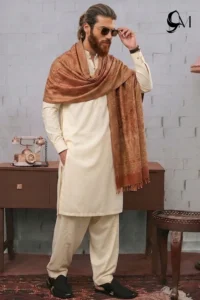
Table of Contents
-
Summary
-
What is a Men's Shawl (Chaddar)?
-
Acrylic, Acro-Woolen, Pure Wool & Cotton – Fabric Types Explained
-
Standard Size, Weight & Design Styles
-
Why Every Pakistani Man Needs a Shawl
-
Winter Warmth Across Punjab, KPK & Northern Pakistan
-
Prayer, Juma & Hajj/Umrah Mosque Use
-
-
Which Shawl Fabric Is Right for You
-
Best Shawl by Climate – Plains vs Northern/High-Altitude Cold
-
Best Shawl by Occasion – Daily Wear, Office & Weddings, Gifting
-
-
How to Wear a Men's Shawl
-
Standard Shoulder Drape & Head Wrap Styles
-
Formal One-Shoulder Drape for Weddings and Events
-
-
Shawl Care and Storage Guide
-
Washing Acrylic & Acro-Woolen Shawls
-
Hand-Washing and Storing Pure Wool Shawls
-
-
Features and Benefits of Munawer.Pk's Men's Shawl Collection
-
Warmth-to-Weight Comparison by Fabric
-
Versatility – One Shawl, Many Uses
-
-
Why Pakistani Buyers Choose Munawer.Pk for Shawls
-
Verified Fabric Accuracy & Original Sourcing
-
Cash on Delivery, Open Box Checking & After-Sales Support
-
-
What Our Customers Say About Munawer.Pk Shawls
-
Common Questions About Men's Shawls
-
Fabric, Sizing & Quality Questions
-
Care, Washing & Gifting Questions
-
-
Buying a Men's Shawl in Pakistan – Price & Local Context
-
Shawl for Men Price in Pakistan by Fabric Type
-
Best Shawl Choices for Pakistan's Regions and Winter Season
-
Summary
- A men's shawl (chaddar) is a 54–60 inch wide, 108–120 inch long fabric wrap, available in acrylic, acro-woolen, pure wool, and cotton, each suited to a different season and budget.
- Acro-woolen blends offer the best everyday balance of warmth, softness, and affordability for most of Pakistan's winter; pure wool suits KPK and northern cold specifically.
- Wool's warmth comes from its natural crimped fiber structure, which traps air pockets and slows heat loss, based on established fiber science.
- Shawls double as prayer coverings, especially for Juma prayers and air-conditioned mosques during Hajj or Umrah.
- Current market pricing: acrylic/cotton PKR 1300–1700, acro-woolen PKR 2,000–3,500, pure wool PKR 2,500–5,000+.
- Munawer.Pk offers Cash on Delivery, open box checking, and a 7-day return window from the date of delivery, with fabric composition verified before listing.
- An acro-woolen shawl in black or navy is generally the safest and most appreciated gifting choice for any Pakistani man.
What is a Men's Shawl (Chaddar)?
A men's shawl is a large rectangular piece of fabric, typically around 54 to 60 inches wide and 108 to 120 inches long, worn draped over the shoulders and wrapped loosely around the upper body. Mens shawls in Pakistan serve far more purpose than a simple accessory; they complete traditional male dress, provide winter warmth, and double as a prayer covering, a travel wrap, or even a sleeping blanket in colder rural areas. This versatility is exactly why mens shawl in Pakistan ownership crosses every income level and region, from Punjab's plains to the mountains of KPK.
Acrylic, Acro-Woolen, Pure Wool & Cotton – Fabric Types Explained
Acrylic shawls, machine-woven from synthetic fiber, are the most affordable and widely available mens shawl pakistan option, offering enough warmth for mild winters between 10°C and 20°C. Acro-woolen, a blend of roughly 60 to 70 percent acrylic and 30 to 40 percent wool, is the most popular mid-range choice, noticeably warmer and softer than pure acrylic while staying more affordable than natural wool. Pure wool shawls, often called loyi, are the heaviest and warmest option, traditional to KPK and northern Pakistan. Cotton chaddars are lightweight and breathable, better suited to warmer months or prayer use than genuine winter warmth. Each of these mens shawls in pakistan variants exists for a specific season and budget rather than one fabric trying to serve every purpose. Pakistan's official fibre quality and grading standards body.
Standard Size, Weight & Design Styles
Most simple shawl for men pakistani buyers choose measure roughly 54 to 60 inches wide and 108 to 120 inches long, giving enough length to drape fully over both shoulders with room to spare. Weight generally ranges from 400 to 800 grams depending on material and thickness. The simple category focuses on plain woven borders or subtle striped edges rather than heavy embroidery, keeping the look versatile enough to pair with any shalwar kameez color for daily wear.
Why Every Pakistani Man Needs a Shawl
In our experience selling traditional menswear across Pakistan, a shawl for men in pakistan is rarely treated as optional once winter sets in, it is considered a core part of getting dressed properly rather than an extra layer.
Winter Warmth Across Punjab, KPK & Northern Pakistan
Winter temperatures across Punjab cities like Lahore, Rawalpindi, and Multan regularly drop to between 2°C and 15°C, and KPK sees even colder conditions in Peshawar and the surrounding hills. A shalwar kameez alone does not provide enough upper body warmth in these conditions, which is exactly the gap a shawl for men pakistan is built to fill, particularly for men working outdoors or commuting early in the morning.
Prayer, Juma & Hajj/Umrah Mosque Use
Many Pakistani men use their chaddar to cover their shoulders and upper body during Salah, especially in open-air mosques or cold interiors, and Friday Juma prayers are one of the most common occasions where a shawl becomes part of formal prayer dress. Even during Hajj or Umrah, where Masjid al-Haram and Masjid an-Nabawi run heavily air-conditioned, a lightweight shawl helps pilgrims stay comfortable, particularly during Fajr and Isha prayers. Browse more Hajj & Umrah travel essentials.
Which Shawl Fabric Is Right for You
Choosing the best shawl for men comes down to matching fabric weight to your actual climate and how often you plan to wear it, rather than simply picking whatever looks warmest on a shelf.
Best Shawl by Climate – Plains vs Northern/High-Altitude Cold
For Punjab's plains and moderate winter cities, an acro-woolen shawl generally strikes the right balance of warmth and affordability for daily use. For KPK, northern Pakistan, or high-altitude travel where temperatures drop well below what the plains experience, pure wool offers a meaningfully greater level of warmth that acrylic simply cannot match. Anyone shopping mens shawl online should check the fabric composition listed before assuming a "wool" label means genuine natural wool.
Best Shawl by Occasion – Daily Wear, Office & Weddings, Gifting
Daily wear and office settings suit a plain acro-woolen shawl in a dark, versatile color. Weddings and formal events call for a slightly finer finish, often in solid navy, black, or maroon. A shawl for men gift in acro-woolen fabric, particularly in black or navy, tends to be the safest and most universally appreciated choice, since it requires no sizing and suits nearly any age. For a shawl for old men, a heavier pure wool loyi is often the most practical and appreciated option given the extra warmth it provides. Pair with our thobe collection for formal traditional wear.
How to Wear a Men's Shawl
Draping style varies by occasion, but the standard method covers most daily situations a man shawl for men gets used for across Pakistan.
Standard Shoulder Drape & Head Wrap Styles
Hold the shawl lengthwise and drape it evenly over both shoulders from behind, letting both ends hang loosely down the front of the chest. Adjust so it sits evenly without dragging on the ground, and pull one end across the chest when sitting for extra warmth. In colder or windier conditions, bringing one corner forward over the head while the rest drapes across the opposite shoulder covers both the head and shoulder at once. Complete your prayer outfit with a prayer cap.
Formal One-Shoulder Drape for Weddings and Events
For a more formal look, fold the shawl to about one-third of its width, drape it across one shoulder, and let the long end fall diagonally across the chest, tucking it under the opposite arm. This one-shoulder style is common at wedding functions and formal gatherings, giving a neater, more structured appearance than the standard everyday drape. See our jubba styles for formal winter occasions.
Shawl Care and Storage Guide
Proper care extends the life of a men's shawl pakistan buyers invest in considerably, particularly with natural wool, which needs a different approach than synthetic blends.
Washing Acrylic & Acro-Woolen Shawls
Machine wash acrylic and acro-woolen shawls in cold or lukewarm water, around 30 to 40°C, with a mild detergent on a gentle cycle. Avoid wringing the fabric and skip high-heat tumble drying, since excessive heat can distort acrylic fibers. Laying the shawl flat or hanging it to air dry keeps its shape intact.
Hand-Washing and Storing Pure Wool Shawls
Pure wool should be hand washed in cold water with a wool-safe detergent, without soaking, and gently pressed rather than wrung to remove water. Dry it flat in shade rather than hanging, since hanging can stretch the fabric out of shape. Fold and store with a mothball to prevent moth damage, and never store it damp, since that leads to mildew smell over time.
Features and Benefits of Munawer.Pk's Men's Shawl Collection
Every fabric type in our shawl men pakistan range is selected for a specific climate and use case rather than sold as a generic one-size answer to Pakistani winter.
Warmth-to-Weight Comparison by Fabric
Wool's warmth comes down to more than just thickness. Wool fiber possesses a natural crimp that prevents the fibers from packing tightly together, creating countless small air pockets that significantly slow heat loss, according to a fiber science overview. This is why a pure wool loyi noticeably outperforms an acrylic shawl of similar weight in genuinely cold conditions, while acro-woolen blends land comfortably in between for everyday Punjab winters. Public health guidance on dressing in insulating natural fibers for cold weather.
Versatility – One Shawl, Many Uses
A single shawl functions as a shoulder wrap, a head cover in wind or cold, a prayer covering, and in rural households, even a sleeping wrap. This range of use is a big part of why one good shawl tends to get worn for years rather than sitting unused after the first season. Explore our Arab scarves as another versatile wrap option.
Why Pakistani Buyers Choose Munawer.Pk for Shawls
Decades spent supplying traditional Pakistani menswear has taught us exactly where quality tends to slip, mainly in sellers labeling acrylic as wool without disclosing the actual fiber content.
Verified Fabric Accuracy & Original Sourcing
Every shawl we list is checked for accurate fabric composition, correct width, and consistent weight before it goes up for sale, so what you read in the description matches what actually arrives. This matters more in this category than most, since fabric misrepresentation is one of the most common complaints buyers report across online shawl sellers generally.
Cash on Delivery, Open Box Checking & After-Sales Support
You can order with Cash on Delivery and open box checking, so you can feel the fabric weight and check the width before paying. If anything about your delivery is not right, our policy is direct: "You can request a return within 7 days from the date of delivery," and our support team is reachable on WhatsApp for anyone browsing our shawl for men sale listings with questions before ordering. See more trusted essentials with COD across our range.
What Our Customers Say About Munawer.Pk Shawls
Real feedback from people who have ordered from our collection, shared here with their permission.
"Bought the acro-woolen shawl for my father in Peshawar, and honestly the warmth surprised me for the price. Fabric feels genuine, not the thin acrylic some other sites sent me before." — Bilal A., Islamabad
"Order kiya tha loyi wool shawl for winter, orignal wool lag raha hai aur bohat garam hai. Open box checking ki wajah se paisay dene se pehle hi fabric check kar liya." — Imran K., Karachi
"Got a navy acro-woolen shawl as a gift for my grandfather, he wears it every Juma now. Very very happy with how soft it feels after just one wash." — Sana R., Lahore
Common Questions About Men's Shawls
Fabric, Sizing & Quality Questions
Q: What is the difference between acrylic and acro-woolen shawls?
A: Acrylic is fully synthetic and more affordable but less warm, while acro-woolen blends in real wool fiber for noticeably better warmth at a still reasonable price.
Q: What size shawl should I buy?
A: A standard size of at least 54 inches wide by 108 inches long gives full shoulder and head coverage for most adult men.
Q: How can I tell if a "wool" shawl is genuine?
A: Genuine wool feels denser and slightly coarser than acrylic, and a reliable seller will list the exact fiber percentage rather than just the word wool.
Care, Washing & Gifting Questions
Q: Can I machine wash a pure wool shawl?
A: It is not recommended, since machine washing with regular detergent can cause wool to felt and shrink; hand washing with a wool-safe detergent is safer.
Q: What is the safest shawl to buy as a gift?
A: An acro-woolen shawl in black or navy is generally the safest gifting choice, since it needs no sizing and suits nearly any age or style preference.
Q: What is the best shawl for men for daily winter use?
A: An Acro-Woolen shawl is the top recommendation for everyday Pakistani winter conditions. It combines the warm insulation of natural wool with the durability, softness, and machine-washability of acrylic fibers.
Q: What is the difference between a Loyi and a standard shawl?
A: A Loyi is a traditional thick, heavy-duty 100% pure wool wrap from KPK and northern Pakistan. It is un-dyed or natural-toned (off-white, camel, brown) and designed specifically for harsh, cold climates.
Q: Can I get shawl for men instant delivery on Munawer.pk?
A: Yes! We offer express courier dispatch nationwide. Major cities like Lahore, Rawalpindi, Islamabad, and Karachi receive express delivery within 24 to 48 hours, with Cash on Delivery (COD) available across all cities and towns.
Q: What shawl size should I choose for an older man?
A: For elders (shawl for old men), choose a full-sized 3-yard (54x108 inches or 60x120 inches) pure wool or acro-woolen shawl in neutral shades like off-white, camel brown, or dark grey. The generous length ensures full coverage over the head, chest, and knees when seated.
Q: What are the different types of shawls available for men and when should each be worn?
A: Pakistan has one of the richest shawl traditions in the world — spanning regional craft traditions, fabric varieties, and occasions that make the shawl one of the most culturally significant garments in Pakistani men's wardrobes:
By fabric and warmth level:
Pashmina/Cashmere shawls:
Made from the fine undercoat fiber of Changthangi goats from the Himalayan plateau; the finest and most luxurious shawl category; exceptionally soft, lightweight, and warm far beyond its apparent weight; best for formal occasions, gifting, and cold weather where elegance matters as much as warmth
Pure wool shawls:
The everyday winter workhorse; excellent warmth, durable, and available across a wide price range; best for regular winter use in Lahore, Islamabad, Peshawar, and northern cities
Kashmiri embroidered shawls:
Wool or pashmina base with hand-embroidered designs (kari embroidery); best for weddings, Eid, and formal cultural events
Ajrak shawls:
Block-printed cotton or silk shawl with traditional Sindhi geometric patterns in indigo, red, and black; culturally significant in Sindh; appropriate for cultural occasions, Eid, and everyday wear in Sindhi cultural contexts
Jamawar shawls:
Woven brocade fabric with intricate patterns woven into the structure rather than printed or embroidered; historically produced in the Kashmir Valley; formal occasion and wedding appropriate
Cotton shawls:
Lightweight, breathable, and casual; appropriate for spring, autumn, and mild winters in southern Pakistan; everyday wear and travel
Silk shawls:
Lustrous, temperature-regulating, and elegant; appropriate for formal occasions in mild weather conditions; also used as gifting. By the way, Pure silk is haram for men in Islam to wear or use in any way. If there is synthetic silk, then there is no issue.
Regional varieties:
- Swati wool shawls — from Swat Valley; known for exceptional quality and warmth
- Balochi shawls — heavy wool with distinctive Balochi embroidery
- Peshawari shawls — large, thick wool; the traditional wrapping shawl of KPK
Q: What is the difference between a men's shawl and a women's shawl?
A: The distinctions between men's and women's shawls in the Pakistani context are primarily in dimensions, color palette, design vocabulary, and styling convention rather than in any fundamental construction difference:
Size:
- Men's shawls are typically larger — standard men's shawl dimensions are approximately 110 to 130cm wide by 200 to 250cm long (some traditional Peshawari shawls reach 300cm in length for full wrapping)
- Women's shawls tend toward slightly narrower widths (90 to 110cm) though length may be similar
Color palette:
- Men's shawls are traditionally available in more muted and darker tones — navy, charcoal, camel, brown, burgundy, dark green, and classic neutral checks
- Women's shawls embrace a much broader range including bright colors, pastels, and more varied color combinations
Design vocabulary:
- Men's shawls traditionally feature geometric patterns, paisleys, classic checks (particularly the traditional Pakistani loongi/tartan-style checks), and subtle border embroidery
- Women's shawls more frequently feature floral embroidery, delicate patterns, and more elaborate surface decoration
Draping and wearing style:
- Men's wearing styles emphasize shoulder wrapping, formal draping over one shoulder, and practical coverage for warmth
- Women's styling includes more draped, flowing arrangements as part of a three-piece ensemble
Cultural distinction: In Pakistani culture, a man wearing a large traditional Peshawari wool shawl wrapped around the shoulders is a deeply culturally specific masculine look — the size, weight, and wrapping style are inherently masculine in their regional context.
Q: What qualities should you look for when choosing the best shawl for men?
A: Quality assessment in men's shawls spans material authenticity, craftsmanship, and practical performance:
Fiber authenticity:
- The most common quality issue in Pakistani shawl markets is mislabeling — "pashmina" shawls that are actually acrylic or viscose blends; "pure wool" that contains significant synthetic content
- Burn test for wool: genuine wool burns like hair — slowly, self-extinguishes, leaves crushable ash, and smells like burning hair; acrylic burns fast, melts, and smells synthetic
- Softness test for pashmina: genuine pashmina is extraordinarily soft; if the shawl scratches or feels rough, it is not genuine pashmina regardless of the label
Weave quality:
- Even, consistent weave density across the full shawl surface with no thin spots, missing threads, or uneven patterns
- Tight, secure border finishing that won't fray with use
Embroidery quality (for embroidered shawls):
- Hand embroidery (kari work) versus machine embroidery — hand embroidery has slight irregularities that are desirable; machine embroidery has perfect uniformity that can look less refined on traditional shawls
- Thread quality — silk thread versus synthetic thread; silk has a natural sheen that catches light differently at different angles
Size and weight:
- Appropriate dimensions for the intended use — a shawl too small to properly wrap over the shoulders provides neither warmth nor aesthetic impact
Colorfastness:
- Test by rubbing a white cloth against the damp shawl — excessive dye transfer indicates poor dyeing that will bleed onto clothing during use
Q: What type of men's shawl makes the best gift for different occasions?
A: Shawls are one of Pakistan's most valued traditional gifts — the right shawl for the right occasion demonstrates cultural knowledge and genuine thoughtfulness:
Wedding gift (for the groom or male family member):
- Kashmiri embroidered shawl or jamawar shawl — the most prestigious traditional gift; communicates respect and celebration
- Price range: Rs. 5,000 to Rs. 50,000+ depending on quality
Eid gift:
- Pure wool shawl in a classic color or ajrak design — festive and practical
- Price range: Rs. 2,800 to Rs. 15,000 for quality options
For an elder or respected person:
- Pashmina or high-quality wool shawl in a dignified, classic color — communicates respect; warmth is practical for older recipients
- The larger and finer the shawl, the greater the honor conveyed in Pakistani gifting culture
Hajj/Umrah gift (for a pilgrim returning or departing):
- White or cream-colored fine wool or pashmina shawl — appropriate for the spiritual significance of the occasion
Corporate gift:
- Ajrak shawl or quality wool shawl with Pakistani cultural significance — appropriate for foreign business guests and Pakistani corporate gifting; conveys cultural pride
For Pakistani diaspora abroad:
- Genuine regional shawls — Kashmiri embroidered, ajrak, or Swati wool — carry cultural connection that is deeply meaningful for Pakistanis living abroad
Q: Which type of shawl is most comfortable and suitable for elderly men?
A: Elderly Pakistani men have specific needs from a shawl that make certain choices clearly superior:
Best options for elderly men:
Lightweight pure wool or wool-cashmere blend:
- Provides genuine warmth without the physical weight that can be tiring for elderly shoulders and arms
- The warmth-to-weight ratio of high-quality wool is excellent — more warmth per gram than heavier, lower-quality wool
- Easy to drape and adjust without physical strain
Pashmina (if budget allows):
- The ultimate comfort choice for elderly men — impossibly soft (won't irritate sensitive skin), feather-light (no burden on arthritic shoulders), and exceptionally warm
- Pashmina's natural temperature-regulating properties keep the wearer comfortable across a range of ambient temperatures — valuable for elderly people whose temperature regulation is less efficient
Specific features to prioritize:
- Softness — elderly skin is more sensitive; rough or scratchy wool causes discomfort and skin irritation
- Lightweight — heavy shawls strain the shoulders; lighter fabric with equivalent warmth is always preferable
- Large size — easy to wrap without precise maneuvering; covers the chest and back fully without readjustment
- Easy-care fabric — low-maintenance for the wearer and family; machine-washable options reduce burden
What to avoid: Very delicate silk shawls (require careful handling), very heavy Balochi or Peshawari-style thick wool (too heavy for daily wearing by frailer individuals)
Q: What are the benefits of a long shawl for men and how is it different from a short one?
A: The length dimension significantly affects a shawl's function and styling possibilities:
Long shawl (200 to 250cm+ in length):
- Greater warmth coverage — covers the full back, shoulders, and wraps around the front for complete upper body protection in cold weather
- Multiple draping styles possible — the extra length enables more complex and formal draping arrangements; the traditional shoulder wrap, the draped-over-one-shoulder formal style, and the full front-cross wrap all require length to execute properly
- More impressive visual impact — particularly for formal events where the shawl's size is part of the statement
- Traditional authenticity — the traditional Pakistani and KPK-region large shawl was always full-length; a short shawl is a more contemporary, fashion-influenced adaptation
- Better for cold weather — full coverage is practical insulation, not just aesthetic
Short shawl (120 to 150cm in length):
- More convenient for active use — doesn't trail on the ground or require constant repositioning during movement
- More contemporary fashion aesthetic — shorter lengths are more associated with modern fashion styling than traditional cultural wearing
- Better for mild weather — when only a light layer over the shoulders is needed rather than full coverage
- Easier to carry — folds more compactly for traveling and casual use
Q: What are the advantages of a cotton shawl for men during warmer seasons?
A: Cotton shawls fill a specific and important niche in Pakistani men's wardrobes for the transitional and warmer seasons:
Breathability:
Cotton's natural fiber structure allows air circulation and moisture evaporation — maintaining comfort at temperatures where wool or synthetic shawls would cause overheating
Versatility:
A cotton shawl at mild evening temperatures (particularly in Islamabad, Lahore, and mountainous areas where evenings can be cool even in summer) provides exactly the right amount of coverage without being too warm
Occasion bridging:
Cotton shawls — particularly in printed or embroidered styles — work as both a practical layer and a style accessory at outdoor events, garden parties, and casual formal occasions in spring and autumn
Ajrak cotton shawls specifically:
The ajrak is traditionally cotton, and wearing an ajrak shawl during spring or autumn in Sindh and increasingly across Pakistan is both culturally appropriate and practically comfortable
Care ease:
Cotton shawls are the most straightforward to launder — machine washable, quick-drying, and not requiring the specialist care that wool, silk, and pashmina demand
Affordability:
Quality cotton shawls are available at significantly lower price points than wool or pashmina equivalents — allowing a broader range of colors and patterns without excessive investment per piece
Q: What makes a men's shawl genuinely warm and suitable for cold weather?
A: Warmth in a shawl is determined by several intersecting factors:
Fiber insulation properties:
- Wool fibers have a natural crimp and scale structure that traps air between fibers — air is the actual insulator; wool's structure maximizes the air-trapping capacity per weight of fiber
- Cashmere/pashmina fibers are finer than wool but equally or more insulating — the finer diameter means more fibers per unit area and more air-trapping capacity
- Synthetic fibers can replicate some insulation properties but don't self-regulate temperature the way natural fibers do
Fabric weight (grams per square meter):
- Higher GSM means more fiber per area and generally more insulation; premium winter shawls are typically 200 to 400 GSM
- However, fiber quality matters more than weight — a heavy low-quality wool shawl may be less warm than a lighter high-quality wool or cashmere shawl due to fiber structure differences
Weave density:
- Tighter weave reduces air permeability — less cold air penetrates the fabric
- The trade-off is that very tight weave can reduce moisture management
Size and coverage:
- A large shawl that fully covers the shoulders, chest, and back provides far more warmth than a smaller one that leaves gaps — proper coverage is as important as fabric quality for thermal performance
Layering compatibility:
- The warmest use of any shawl is over appropriate base layers; a wool shawl over a kurta with a light sweater underneath is significantly warmer than the same shawl over a thin shirt alone
Q: What makes a pure wool shawl better than a blended wool shawl for men?
A: (Already answered in the previous fabric context — pure wool maintains its natural temperature regulation, moisture management, and fiber quality without compromise from synthetic blending; blended wool is more wrinkle-resistant and easier care but sacrifices breathability and natural fiber performance. Refer to "What are the benefits of a wool shawl for men?" in the following answers.)
Q: What are the benefits of a wool shawl for men and how does it compare to other fabrics?
A: Wool's specific properties make it the most versatile and practically superior shawl fabric for most Pakistani winter needs:
Natural temperature regulation:
- Wool fibers actively respond to body temperature and humidity — they absorb moisture vapor when the body is warm and release it as the body cools, creating a self-regulating microclimate under the shawl
- This property (hygroscopy) means a wool shawl keeps you warm without overheating — a quality no synthetic fabric replicates
Moisture management:
- Wool absorbs up to 30% of its weight in moisture without feeling wet
- The moisture is absorbed into the fiber structure rather than sitting on the surface — so the shawl surface remains dry to the touch even as it manages body moisture
Natural fire resistance:
- Wool is naturally flame-resistant — it doesn't melt, drip, or spread flame; an important practical safety property
Odor resistance:
- Wool's natural lanolin content and fiber structure inhibit bacterial growth that causes odor — a wool shawl can be worn multiple times between washings without developing unpleasant odor
Compared to cotton:
- Significantly warmer; better moisture management; more expensive; requires more careful laundering
Compared to synthetic (acrylic, polyester):
- Better temperature regulation; better moisture management; natural and biodegradable; more durable with proper care; significantly better quality feel and appearance
Compared to pashmina/cashmere:
- Less expensive; more durable; equally warm in heavier weights; less fine and soft to the touch
Q: What makes a Kashmiri shawl unique and different from other shawls?
A: Kashmiri shawls represent one of the most refined textile traditions in the entire subcontinent — their uniqueness is the product of centuries of specialized craft development:
The kani weave (true Kashmiri weave):
- Traditional Kashmiri shawls use a specific weaving technique where small wooden bobbins (kani) are used to interlock different colored yarns during the weaving process
- This creates patterns that are literally woven into the fabric structure rather than printed, embroidered, or applied — the pattern is visible identically on both sides of the fabric
- A single kani shawl with complex patterns can take months to years to complete — explaining their extraordinary price
Sozni embroidery (embroidered Kashmiri shawls):
- Fine needle embroidery using silk thread on pashmina or wool base
- Characteristic floral, boteh (paisley), and chinar leaf motifs
- Handwork that requires extraordinary skill and time — differentiating genuine Kashmir embroidery from machine copies
The pashmina base:
- Authentic Kashmiri shawls use pashmina fiber from the Changthangi goat — providing the characteristic extraordinary softness alongside the artistic surface
Cultural and historical significance:
- Kashmiri shawls were gifts of Mughal emperors; coveted by European aristocracy; and remain among the most prestigious textile gifts in South Asian cultural practice
- The "paisley" pattern recognized globally is actually the boteh motif from Kashmiri shawl design
Availability in Pakistan:
- Genuine Kashmiri shawls are available through specialty retailers in Lahore, Karachi, and Islamabad; also widely available in the tourist markets of Murree and Muzaffarabad
- Significant market for machine-made and embroidery-machine copies at much lower prices — buyer education is essential
Q: What is a pashmina shawl for men and what makes it a luxurious choice?
A: Pashmina is the finest natural fiber shawl material in the world — its luxury status is based on genuine, measurable physical properties rather than marketing:
The fiber:
- Pashmina comes from the undercoat of the Changthangi (Pashmina) goat native to the high-altitude regions of Ladakh, Gilgit-Baltistan, and Tibet
- The fiber diameter is 12 to 16 microns — compared to 18 to 25 microns for fine wool; this extreme fineness is what creates pashmina's characteristic extraordinary softness
- Each goat produces only approximately 150 to 200 grams of pashmina fiber per year during the spring molting season — extreme scarcity drives premium pricing
The properties:
- Softer than any wool — passes through a wedding ring (the traditional pashmina quality test)
- Warmer per unit weight than any other natural fiber — provides significant warmth with almost no weight
- Natural temperature regulation superior even to wool
- Becomes softer with each careful washing rather than felting and hardening
Luxury indicators:
- A genuine pure pashmina men's shawl in a quality size (approximately 120cm × 250cm) costs Rs. 15,000 to Rs. 150,000+ depending on quality, origin, and any additional embroidery
- The extreme price range reflects genuine fiber quality variation — there is significant difference between genuine high-grade Changthangi pashmina and lower-grade or blended products
For men specifically:
- Pashmina shawls in classic, muted colors — charcoal, navy, camel, ivory — are exceptionally elegant for formal occasions
- The combination of warmth and visual lightness makes pashmina appropriate in formal indoor settings where a heavy wool shawl would feel out of place
Q: What occasions are velvet shawls for men most suitable for?
A: Velvet shawls occupy a specific niche in Pakistani men's formal occasional wear:
Most appropriate occasions:
- Wedding ceremonies — particularly the nikah and walima functions where traditional formal dress is expected; velvet's rich texture and light-catching pile create a distinctly festive and formal appearance
- Winter mehndi ceremonies — where the semi-formal celebratory nature of the occasion suits velvet's luxurious but slightly less austere character
- Eid formal gatherings — velvet shawls in rich jewel tones (emerald, burgundy, deep navy, royal blue) worn over embroidered kurtas are a distinctly celebratory look
- Formal cultural events and mushairas — literary and cultural gatherings where traditional formal dress is appropriate
Why velvet works for formal occasions:
- The pile surface catches and reflects light in a way that creates visual richness appropriate for celebratory events
- Velvet has natural temperature insulation making it appropriate for winter formal events (November through February)
- The weight and drape of velvet creates a substantial, dignified appearance
Styling with velvet shawls:
- Pair with embroidered shalwar kameez or sherwani in coordinating or complementary colors
- Classic color pairings: burgundy velvet with ivory kurta; deep green velvet with gold-embroidered white; navy with silver
When to avoid velvet: Casual everyday settings, summer events, and business contexts where velvet reads as inappropriately elaborate.
Q: What is an ajrak shawl for men and what is its cultural significance?
A: Ajrak is one of Pakistan's most significant living textile traditions — a block-printing craft that originated in the Indus Valley civilization and has been practiced continuously in Sindh for over 4,000 years:
What ajrak is:
- A hand-printed textile produced through a resist-dyeing and block-printing process using wooden blocks carved with geometric and floral patterns
- The characteristic color palette is deep indigo blue and crimson red against a black or white ground
- The process involves multiple stages of dyeing, printing, washing, and sun-bleaching that can take 10 to 14 days for a single piece
- Both ends of the fabric feature the dense geometric border pattern (hashia) that is ajrak's most recognizable feature
Cultural significance for men specifically:
- In Sindhi culture, ajrak holds extraordinary cultural weight — it is given to honored guests, newborns, and the deceased; wearing ajrak signals belonging to the Sindhi cultural tradition
- Ajrak is considered a symbol of Sindhi identity, pride, and resistance — it was declared a UNESCO Intangible Cultural Heritage element
- Sindhi men draping an ajrak around their shoulders or wearing it over their shalwar kameez is both a fashion statement and a cultural statement simultaneously
Modern ajrak:
- Contemporary ajrak production uses both traditional block printing and screen printing — block-printed is more authentic and valuable
- Ajrak designs now appear on shirts, accessories, and fashion garments beyond the traditional shawl format
- Popular across Pakistan beyond Sindh as appreciation for indigenous craft traditions grows
Q: What is a jamawar shawl for men and what occasions is it most suited for?
A: Jamawar is a woven brocade fabric with an ancient history in the subcontinent — the name derives from "jama" (robe) and "war" (yard), reflecting its origin as a fabric for royal robes:
What jamawar is:
- A woven fabric where the pattern is created by supplementary weft threads during weaving — producing designs that are structurally part of the fabric rather than printed or embroidered on
- Traditional jamawar features intricate floral, boteh (paisley), and geometric patterns in multiple colors
- The weaving is complex — traditional jamawar on handlooms requires significant skill and time, making genuine handwoven jamawar expensive
- Modern jamawar is produced by both power looms (more affordable) and traditional handlooms (premium)
For men's shawls:
- Jamawar shawls are among the most formal and prestigious shawl choices for Pakistani men
- The intricate woven patterns create a visually rich surface that reads as formal and celebratory
- Classic jamawar shawl colors for men include deep wine/maroon, royal blue, dark forest green, and gold — all set against black or dark grounds with the contrasting pattern
Most suitable occasions:
- Nikah and walima ceremonies — particularly appropriate for the groom's family
- Wedding guest formal wear
- Eid formal celebration
- Cultural and diplomatic occasions
- Expensive gifting for prestigious occasions
Q: What is a Peshawari shawl for men and what makes it popular in Pakistani culture?
A: The Peshawari shawl is a distinctly Pakistani cultural garment with deep roots in the Pashtun masculine cultural identity of Khyber Pakhtunkhwa:
What it is:
- A large, thick, heavy pure wool shawl — typically much larger than other Pakistani shawl types (often 130cm × 280cm or more)
- Made from coarse to medium-grade wool; the thickness provides exceptional warmth for the cold winters of KPK and the tribal regions
- Typically undyed or in natural wool colors (cream, grey, brown) or in simple dark solid colors; less decorated than Kashmiri embroidered shawls
- Some Peshawari shawls feature simple border designs or are plain throughout
Cultural significance:
- The Peshawari shawl wrapped around the shoulders in the traditional style — one end thrown over the shoulder — is one of the most recognizable cultural signifiers of Pashtun masculine identity
- Wearing a large Peshawari shawl is associated with dignity, authority, and traditional masculine values in KPK culture
- Political and tribal leaders in KPK traditionally wear large wool shawls as part of their public cultural identity
- The shawl's practicality in the harsh winters of the mountainous border regions makes it a genuine functional garment as much as a cultural one
Wearing style:
- Draped over both shoulders with the shawl hanging down the back and sides
- One end thrown over the left or right shoulder in the classic manner
- Wrapped around the body for maximum warmth in cold conditions
Q: What is a Swati wool shawl for men and why is it considered high quality?
A: Swati shawls come from the Swat Valley of KPK — a region with a long tradition of wool textile production supported by the availability of high-quality local sheep wool:
What distinguishes Swati wool:
- The sheep of the Swat Valley and surrounding mountain regions produce wool with particularly good characteristics — the combination of altitude, climate, and breed produces fiber with good natural crimp and insulation properties
- Traditional Swati wool processing — cleaning, carding, spinning, and weaving — maintained the fiber's natural properties rather than industrial processing that can damage wool quality
- The resulting fabric has a characteristic texture — slightly rustic rather than smooth, giving it authenticity and visual character distinct from industrial wool
Why it's considered high quality:
- Genuine warmth from quality wool fiber — Swati shawls are known for being exceptionally warm, not merely decoratively attractive
- Durability — well-woven Swati wool shawls last for decades with proper care
- Cultural authenticity — Swati shawls carry genuine regional craft identity
- Natural dye traditions — some authentic Swati shawls use plant-based dyes that give characteristic muted, complex color tones
Availability:
- Available at craft shops and bazaars in Swat, Mingora, and through craft fairs in major Pakistani cities
- Increasingly available through online platforms as awareness of Pakistani regional crafts grows
Q: What is an Irani shawl for men and how does it differ from Pakistani styles?
A: Irani shawls available in the Pakistani market are typically imported textiles or Pakistani-produced shawls inspired by Persian design aesthetics:
Characteristics typically associated with Irani shawls in Pakistan:
- Rich, complex woven or printed patterns influenced by Persian carpet and textile motifs — intricate medallion designs, arabesque patterns, and dense floral arrangements
- Often in jewel tones — deep crimson, emerald, sapphire blue, and gold
- Frequently in silk or silk-blend fabrics with a characteristic lustrous surface
- High-quality synthetic or viscose versions at more accessible price points
How they differ from Pakistani shawl styles:
- Persian design aesthetic versus South Asian design vocabulary — Persian patterns tend toward more symmetrical, medallion-centered compositions while Pakistani designs (Kashmiri, ajrak) have their own distinctive pattern languages
- Fabric often more silk-influenced than wool-dominated Pakistani winter shawls
- Less culturally specific to Pakistani regional identity — worn more as a fashion accessory than a cultural signifier
When worn:
- Formal occasions where a rich, patterned shawl complements formal dress
- As gifting items — Persian-influenced shawls are popular in the Pakistani gifting market
Q: What occasions are embroidered shawls for men most appropriate for?
A: (Already answered across multiple sections — embroidered shawls (Kashmiri kari work, Balochi embroidery) are most appropriate for weddings, Eid celebrations, and formal cultural events. Refer to "What makes a Kashmiri shawl unique?" and individual regional shawl sections above for specific occasion guidance.)
Q: What is a prayer shawl for men and how is it used during religious occasions?
A: In Pakistani Islamic context, a prayer shawl refers to a large, clean, lightweight shawl specifically kept or used during prayer and religious occasions:
Function:
- Worn over the shoulders during salah, particularly in outdoor prayers, mosque prayers where additional coverage is desired, or in cold weather where the prayer area is unheated
- Used during dhikr sessions, quran khwanis, and other religious gatherings where a modest, clean covering over the shoulders is culturally appropriate
Characteristics:
- Clean, plain or simply patterned — elaborate embroidery or highly decorative patterns are generally considered unsuitable for prayer use
- White, off-white, or simple colors — reflecting the simplicity and humility appropriate for worship
- Sufficiently large to cover the shoulders and upper body
Specific religious occasion use:
- Eid prayers — men wearing shawls over their Eid kurtas at outdoor Eid prayers is a common practice, particularly in cooler months
- Jumu'ah (Friday prayers) — a shawl over formal Friday dress is a traditional masculine look in Pakistani mosque culture
- Funeral prayers (janaza) — simple, dignified shawl draping is culturally appropriate
- Hajj and Umrah — white shawls over the ihram or regular garments in Madinah
Q: What are the most popular traditional shawl styles worn by men in Pakistan?
A: Pakistani men's shawl traditions reflect the country's remarkable regional diversity:
By region and cultural tradition:
Punjab:
- Wool shawls in checks and plaids for winter; shoulder-draped styling
- Increasingly mainstream adoption of Kashmiri embroidered shawls for formal occasions
Khyber Pakhtunkhwa:
- Large Peshawari-style wool shawls — the defining masculine garment of Pashtun culture
- Draped over both shoulders with the characteristic one-end-thrown-forward style
Sindh:
- Ajrak — the most culturally significant textile tradition; worn as a shawl over one or both shoulders
- Color: Traditional indigo, red, and black; modern ajrak in expanded color ranges
Balochistan:
- Heavy embroidered wool shawls — thick fabric embellished with Balochi geometric embroidery in vivid colors on dark backgrounds
- An expression of Balochi cultural identity as significant as ajrak in Sindhi culture
Gilgit-Baltistan and Northern Areas:
- Thick wool shawls practical for severe mountain winters
- Natural, undyed wool in the traditional craft style
Q: What type of shawl should men wear to a wedding for a stylish and formal look?
A: Wedding shawl selection for Pakistani men depends on whether you're the groom, a close family member, or a guest:
For the groom:
- Kashmiri pashmina with kari embroidery or a premium jamawar shawl in coordinating color with the sherwani or elaborate kurta
- Rich, formal, and demonstrably expensive — reflecting the celebratory importance of the occasion
- Coordinated with the overall bridal couple color palette
For the groom's family (close male relatives):
- Kashmiri embroidered or jamawar shawls in the wedding's color theme
- Velvet shawl for winter weddings — coordinated with the family's formal dress
For guests:
- A quality wool or wool-blend shawl in a rich color appropriate to the season
- Embroidered options acceptable but should not compete with the groom's outfit
- Classic colors: Deep green, burgundy, navy, charcoal, camel
What to avoid at weddings:
- Very casual cotton or plain everyday shawls
- Ajrak (cultural occasion shawl rather than wedding-specific)
- White or very pale colors that may visually compete with the groom's typically light-colored outfit
Q: Which shawl style complements a men's sherwani best?
A: The sherwani — Pakistan's most formal traditional men's garment — requires a shawl that matches its formality and visual elaborateness:
Best shawl pairings with sherwani:
Pashmina in a complementary color:
- The lightness and luxury of pashmina complement the sherwani's formality without competing visually
- Draping a fine pashmina over one shoulder is the classic sherwani-shawl look
Jamawar shawl:
- The woven brocade patterns of jamawar coordinate naturally with the embroidered surfaces of a sherwani
- Choose a jamawar that picks up a color present in the sherwani embroidery
Kashmiri embroidered shawl:
- Works best when the sherwani itself is relatively plain — the embroidered shawl provides the ornamental element
- Avoid pairing heavily embroidered sherwani with heavily embroidered shawl — visual overload
Draping style for sherwani:
- Single shoulder drape — one end thrown over the left shoulder with the shawl hanging diagonally across the front is the most formal and traditional wedding look
- Symmetrical shoulder drape — over both shoulders for a more balanced, regal appearance
Q: How do you style a shawl with a shalwar kameez for men?
A: The shalwar kameez and shawl combination is the most common everyday and formal traditional Pakistani men's look:
Everyday casual styling:
- Plain wool or cotton shawl draped over both shoulders symmetrically
- Let it hang naturally without elaborate arrangement
- Coordinate shawl color with the kameez — same color family or classic neutral (grey, camel, or white shawl with any kameez)
Smart casual and semi-formal:
- One end of the shawl thrown over the right or left shoulder — the classic one-shoulder drape
- The shawl should have enough length to create an elegant diagonal across the front
- Embroidered or patterned shawl adds formality to a plain kameez
Formal occasion:
- Fine wool, pashmina, or jamawar shawl
- Carefully arranged shoulder drape with the fabric falling evenly
- Rich shawl colors that coordinate with or complement the kameez
Color coordination principles:
- Neutral kameez (white, cream, grey) — any shawl color works; this is where you can make the shawl the statement piece
- Colored kameez — shawl in a coordinating shade (same color family, slightly darker or lighter) or a classic neutral
- Embroidered kameez — plain shawl so neither competes with the other
Q: Which shawl color and style works best with a black kurta for men?
A: Black is one of the most versatile base colors for men's traditional wear — it pairs with a wide range of shawl choices:
Classic and most elegant combinations:
- White or ivory shawl — the highest contrast combination; clean, formal, and visually striking
- Silver or light grey — slightly softer contrast than white; very elegant for formal occasions
- Camel or tan — warm contrast against black; sophisticated and classic
- Deep gold or mustard — rich, celebratory, and appropriate for wedding occasions
Bold and fashion-forward:
- Burgundy or wine — rich and warm against black; popular for winter formal occasions
- Emerald green — vibrant contrast that reads as festive and confident
- Royal blue — striking and modern while remaining traditionally grounded
For ajrak with black kurta:
- The traditional ajrak color palette (indigo, red, black) coordinates naturally with a black base — the ajrak provides pattern and color interest against the solid black
Design guidance:
- Black absorbs light; pair with a shawl that has visual texture, pattern, or color to create interest
- Embroidered shawls in gold or silver thread on dark or light ground look particularly striking over black
Q: Which shawl color and style is most suitable to wear with a white kurta for men?
A: White kurta is the most classic and versatile base for Pakistani men — it works with nearly every shawl choice but some combinations are particularly distinguished:
Most traditionally appropriate:
- Navy blue shawl — the navy-and-white combination is timelessly elegant and appropriate for all occasions from Eid to formal events
- Charcoal or dark grey — dignified and formal; works for professional and formal traditional contexts
- Camel or khaki — warm and natural; appropriate for casual to semi-formal occasions
For festive occasions (Eid, weddings as a guest):
- Kashmiri embroidered shawl — white kurta lets the embroidery be the full visual focus; exceptional combination for formal occasions
- Rich jewel-toned shawl (emerald, burgundy, royal blue) — the white provides a clean contrast that makes the shawl's color particularly vivid
For everyday wear:
- Ajrak over white — culturally significant and visually striking; the traditional pattern stands out beautifully against the white ground
- Simple checked wool — classic everyday combination appropriate across Pakistan
What to avoid:
- Very pale or cream shawls over white can appear accidentally matched rather than deliberately coordinated; ensure sufficient contrast in either color or texture
Q: What is a shawl collar on a men's sweater and how does it differ from a regular collar?
A: A shawl collar is a specific collar construction used in knitwear — sweaters and cardigans — that creates a distinctive rounded, lapel-like fold along the front of the garment:
Construction:
- The shawl collar is formed from a single continuous piece of ribbed or plain knit fabric that rolls from the back of the neckline, over both shoulders, and folds back down the front of the garment as paired lapels that meet at the center chest
- Unlike a standard crew neck (round) or V-neck collar, the shawl collar creates a relaxed, open-front effect that resembles the drape of a shawl laid over the shoulders
Visual effect:
- Creates a distinguished, slightly formal but relaxed aesthetic
- The rounded lapels frame the face more gently than pointed collar lapels on a jacket
- Associated with classic, intellectual, and sophisticated casual style
Difference from regular collar:
- Regular sweater collars (crew, V-neck, turtleneck) are simply the finished edge of the neckline without any folded or lapel element
- The shawl collar adds visual structure and styling that elevates a sweater toward the semi-formal
Q: What is a shawl collar sweater for men and when should it be worn?
A: A shawl collar sweater is a pullover knit sweater featuring the shawl collar construction described above. Most suitable wearing occasions:
Smart casual settings:
- Over a collared shirt for a business casual or smart casual look — the shawl collar frames a spread collar shirt elegantly
- With dark trousers for a relaxed but considered appearance
Semi-formal casual:
- Over a formal shirt without a tie as an alternative to a blazer in informal professional settings
- For literary and intellectual social settings where the shawl collar's traditional academic associations are appropriate
Everyday wear with traditional clothing:
- Over a kameez as a winter layer — the shawl collar sits elegantly over the traditional neckline
- A dark shawl collar sweater over a plain kurta is a popular contemporary Pakistani men's winter look
Q: What is the correct and stylish way for men to wear a shawl?
A: The most popular and appropriate draping styles for Pakistani men:
The Classic Shoulder Drape (most common):
- Hold the shawl at its center along the long edge
- Place the center of the shawl at the back of the neck
- Let both sides fall evenly over both shoulders and hang down the front
- The shawl hangs symmetrically — appropriate for everyday wear and casual formal occasions
The One-Shoulder Throw (most stylish for formal):
- Drape the shawl over both shoulders in the classic position
- Take one end (typically the right side) and throw it back over the left shoulder
- The shawl drapes diagonally across the front with one end hanging down the back
- This is the most photographed and stylish formal shawl style in Pakistani men's fashion
The Full Wrap (most warm and traditional):
- Start with the classic shoulder drape
- Cross both front ends over the chest and hold or tuck them in
- Complete upper body coverage; the traditional KPK and winter style
The Folded Arm Carry:
- Fold the shawl into thirds lengthwise
- Drape folded shawl over one forearm
- Carry it as a casual accessory — for events where you may move indoors and outdoors
Q: What are the most popular ways to drape a shawl for men?
A: (Already answered above — the four main styles are: symmetric shoulder drape, one-shoulder throw, full wrap, and folded arm carry. Each suits different occasions from casual to formal.)
Q: What are the best ways for men to wear a shawl over a salwar kameez?
A: (Already answered — refer to "How do you style a shawl with a shalwar kameez for men?" above for the complete occasion-specific styling guide.)
Q: What are some stylish poses and ways for men to showcase a shawl for photos?
A: Presenting a shawl well in photography — whether for personal social media or product photography in Pakistani fashion context:
Standing poses:
- The dignified stand — standing straight with the shawl in the classic symmetric drape; hands relaxed at sides or one hand in pocket; appropriate for formal product shots
- The one-shoulder throw pose — one end of shawl thrown over the shoulder with the fabric creating a diagonal line across the front; slightly turning the body three-quarters to the camera emphasizes the shawl's drape
- The hold — holding one end of the shawl in one hand at chest height, with the shawl draped casually; creates a natural, relaxed appearance
Movement poses:
- The walking shot — moving toward the camera with the shawl in motion; the fabric's movement showcases its drape quality and texture
- The turn — mid-turn with the shawl flowing; particularly effective for showing fabric quality and movement
Seated poses:
- Sitting with the shawl arranged symmetrically over the shoulders; one arm resting on a surface; demonstrates the shawl in a dignified formal seated position
Lighting considerations for shawl photography:
- Side lighting enhances texture — important for showing wool pile, embroidery detail, and fabric quality
- Natural light shows color most accurately — particularly important for ajrak's complex color palette and kashmiri embroidery's thread sheen
Buying a Men's Shawl in Pakistan – Price & Local Context
Shawl for men price in Pakistan depends mainly on fabric type, with synthetic acrylic sitting at the budget end and pure wool commanding a noticeably higher price for its added warmth and durability.
Shawl for Men Price in Pakistan by Fabric Type
As a general market guide, lightweight acrylic or thin cotton chaddars suited to mild weather or mosque use typically range from around PKR 300 to 700. Acro-woolen shawls, the most popular option for daily Pakistani winter use, generally fall between PKR 1,000 and 2,500. Pure wool loyi shawls for serious cold or northern climates typically run from PKR 2,500 to 5,000, with premium pashmina or kashmiri styles going higher. At Munawer.Pk, our pricing is transparent, what you see is what you pay, with no hidden charges, though always check the current listing for the exact shawl for men with price shown on the product page.
Best Shawl Choices for Pakistan's Regions and Winter Season
Winter conditions vary sharply across Pakistan. Peshawar's coldest month, January, averages around 11.3°C with lows near 5°C, and daytime highs can sometimes stay around 8 to 10°C during foggy cold spells, based on regional climate data, with Punjab plains generally running slightly milder but still cold enough to need proper winter layering. For KPK and northern regions, pure wool is the better investment, while acro-woolen covers most of Punjab and Sindh's milder winter needs comfortably. Pairing your shawl with a matching prayer chaddar makes practical sense too, and you can also explore our printed lawn namaz chaddar for a lighter option suited to mosque or prayer use.
Choosing the right shawl comes down to matching fabric to your climate and routine, acrylic for mild weather and mosque visits, acro-woolen for daily Punjab winters, and pure wool for genuinely cold northern conditions. Munawer.Pk brings the same sourcing discipline we apply across our traditional menswear to every shawl for men in our collection, and our team is happy to help you choose the right one. Explore the collection today and stay properly dressed for whatever winter brings.
Written by Fakher Senior Search Analyst — Munawer.Pk
