
Product categories
- Abaya
- Abaya Collection
- Abaya for Prayer
- Abaya Kimono
- Abaya Sleeve Designs
- Abaya Trends
- Arabic Abaya Design
- Asian Abaya Designs
- Beautiful Abaya Design
- Beige Abaya
- Belt Abaya Design
- Best Abaya in Pakistan
- Black Abaya
- Blue Abaya
- Butterfly Abaya
- Casual Abaya
- Cheap Abayas
- Chiffon Abaya
- Cotton Abaya
- Double Layer Abaya
- Dubai Abaya
- Embroidered Abaya
- Emirati Abaya
- Fancy Abaya
- Flared Abaya
- Floral Abaya
- Formal Abaya
- Frill Abaya
- Georgette Abaya
- Green Abaya
- Grey Abaya
- Irani Abaya
- Iraqi Abaya
- Kaftan Abaya
- Kimono Abaya
- Lawn Abaya
- Luxury Abaya
- Maroon Abaya
- Maxi Abaya
- Modern Abaya
- New Abaya Design
- Nida Fabric Abaya
- Open Abaya
- Printed Abaya
- Purple Abaya
- Saudi Abaya
- Silk Abaya
- Simple Abaya
- Stylish Abaya
- Summer Abaya
- Turkish Abaya
- Umbrella Abaya
- Velvet Abaya
- White Abaya
- Winter Abaya
- Zip Abaya
- Abaya for Girls
- After Return Umrah Hajj Gifts
- Arab Scarf For Men
- Attar Perfume
- Dates
- Footwear For Umrah Hajj
- Hajj Umrah Accessories
- Hajj Umrah Bag
- Hijab
- Hijab Cap
- Ihram Belt
- Ihram For Kids
- Ihram For Men
- Ihram for Women
- Janamaz
- Medication for Hajj Umrah
- Men Unstitched Suits
- Miswak
- Prayer Cap
- Shawl For Men
- Staller
- Tasbeeh
- Thobe
- Umbrella
- Umrah Hajj Toiletries Kit
- Uncategorized
Filter by price
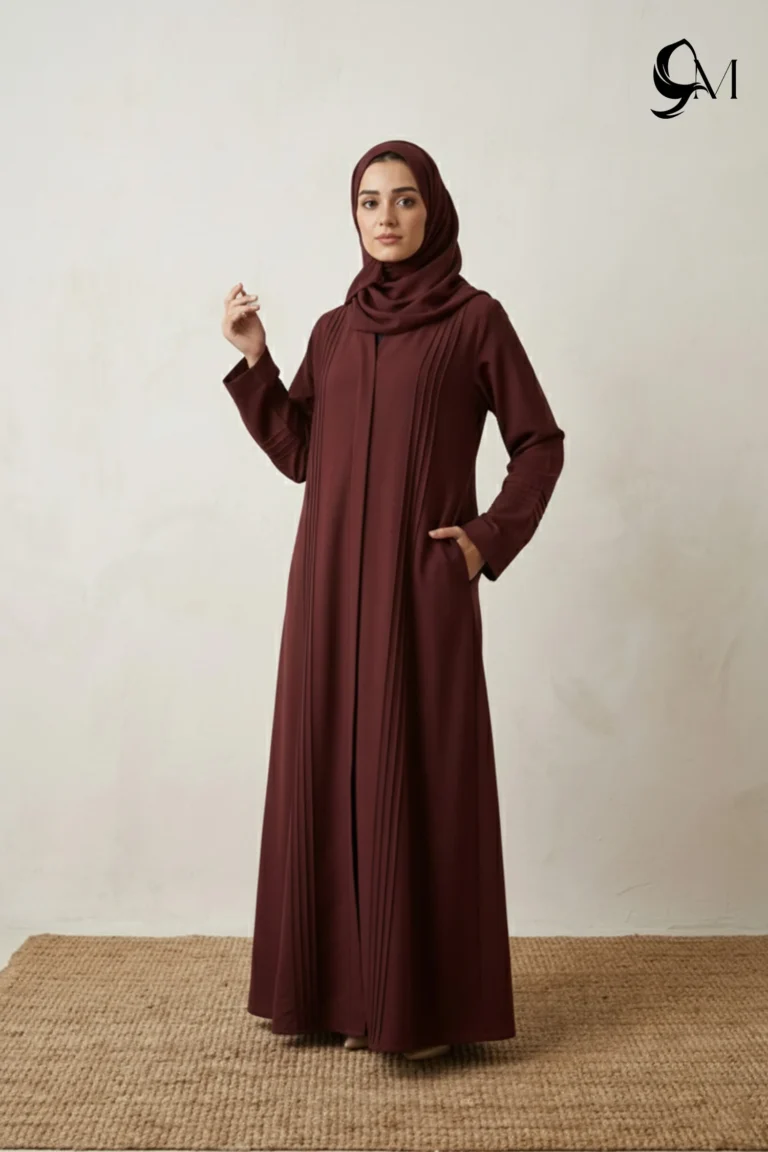
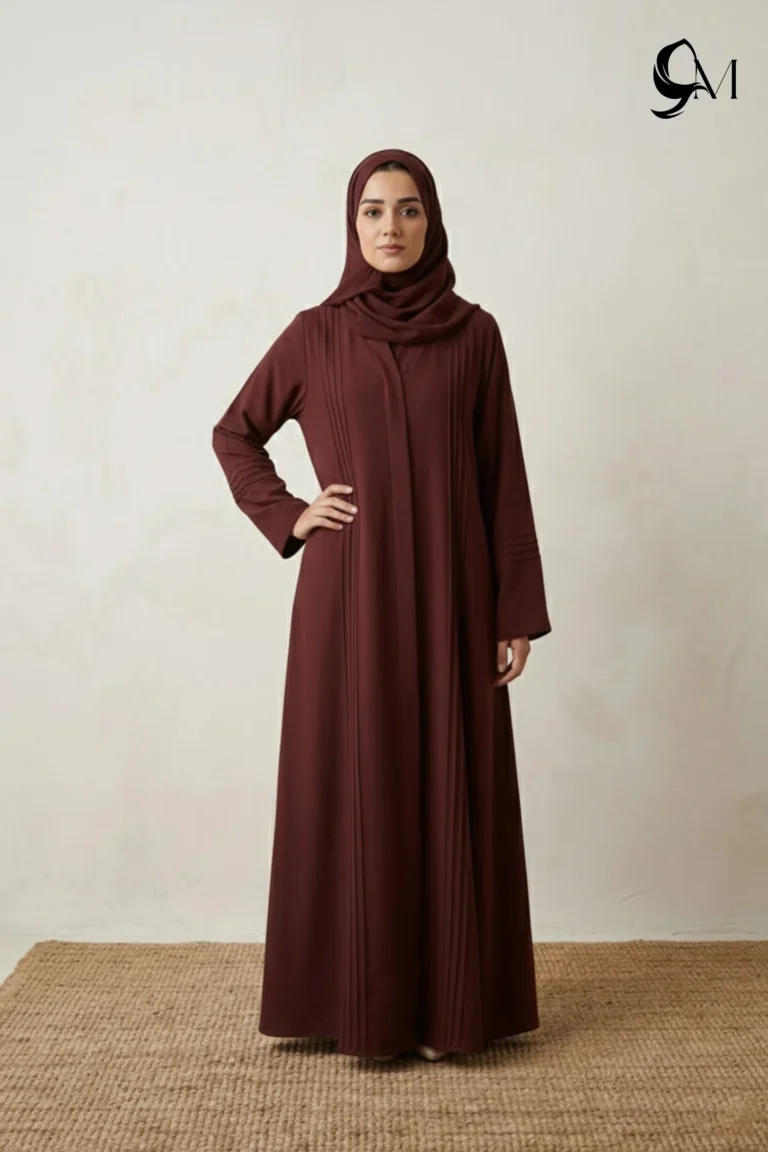
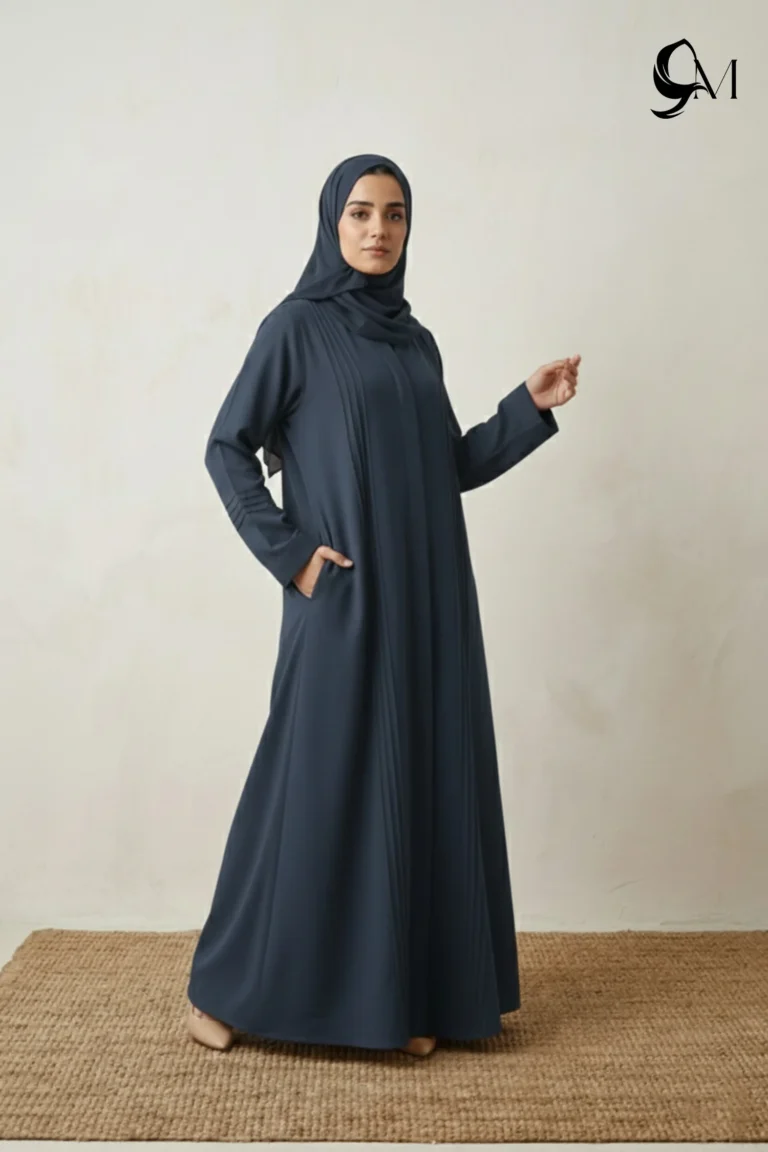
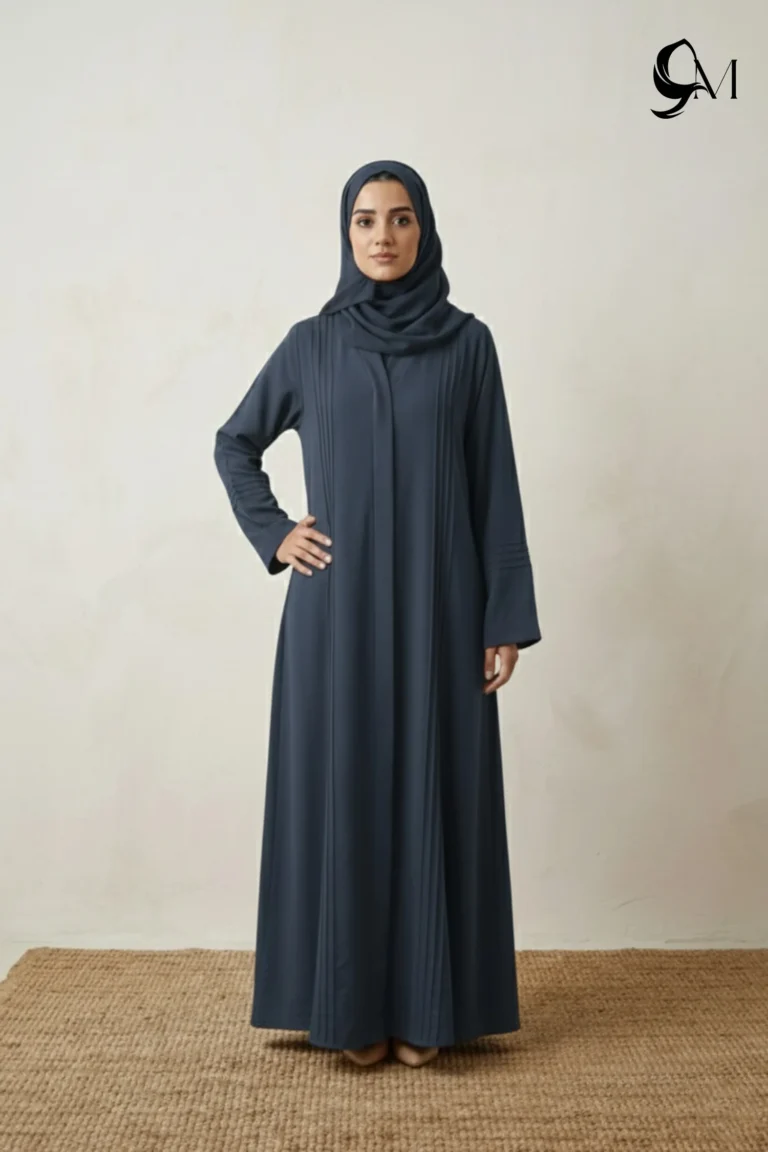
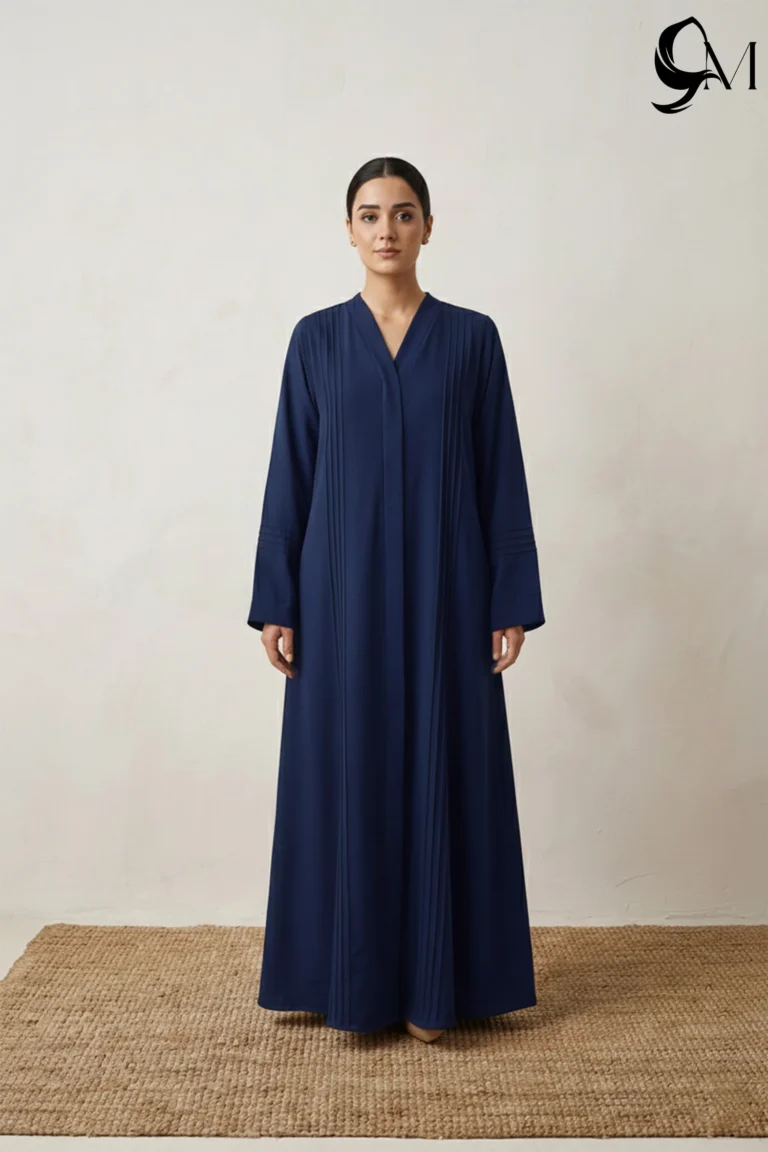
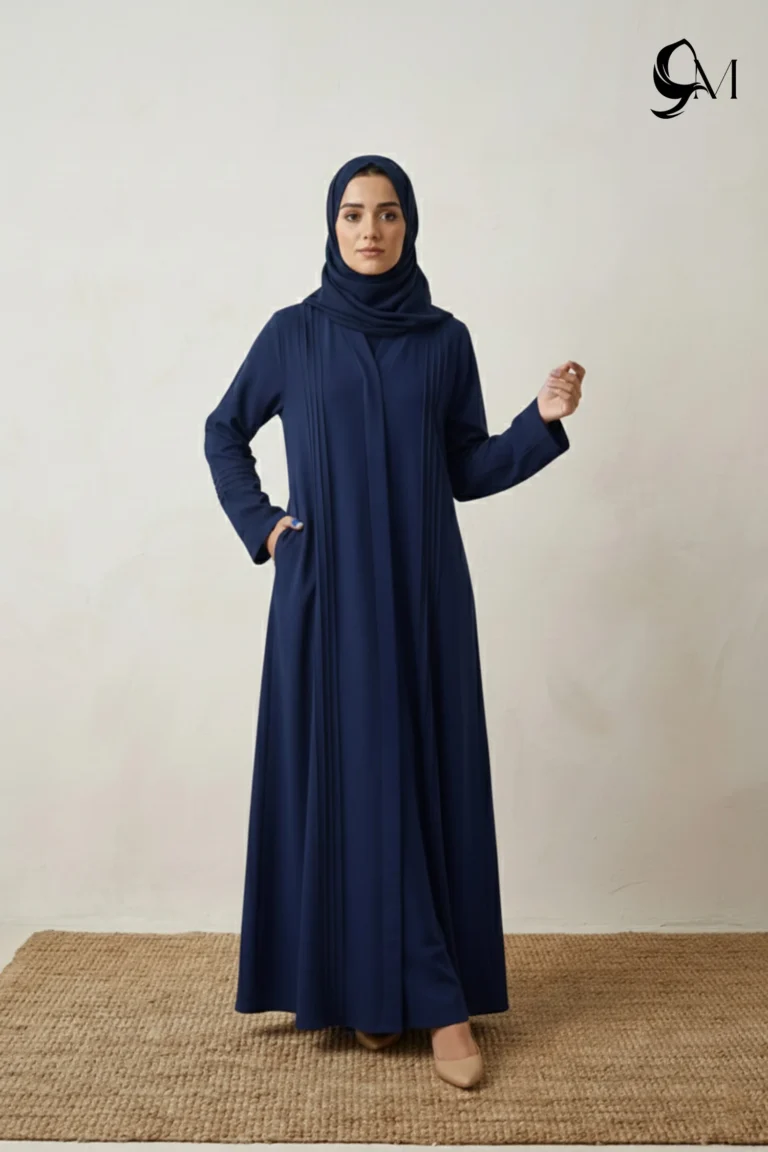
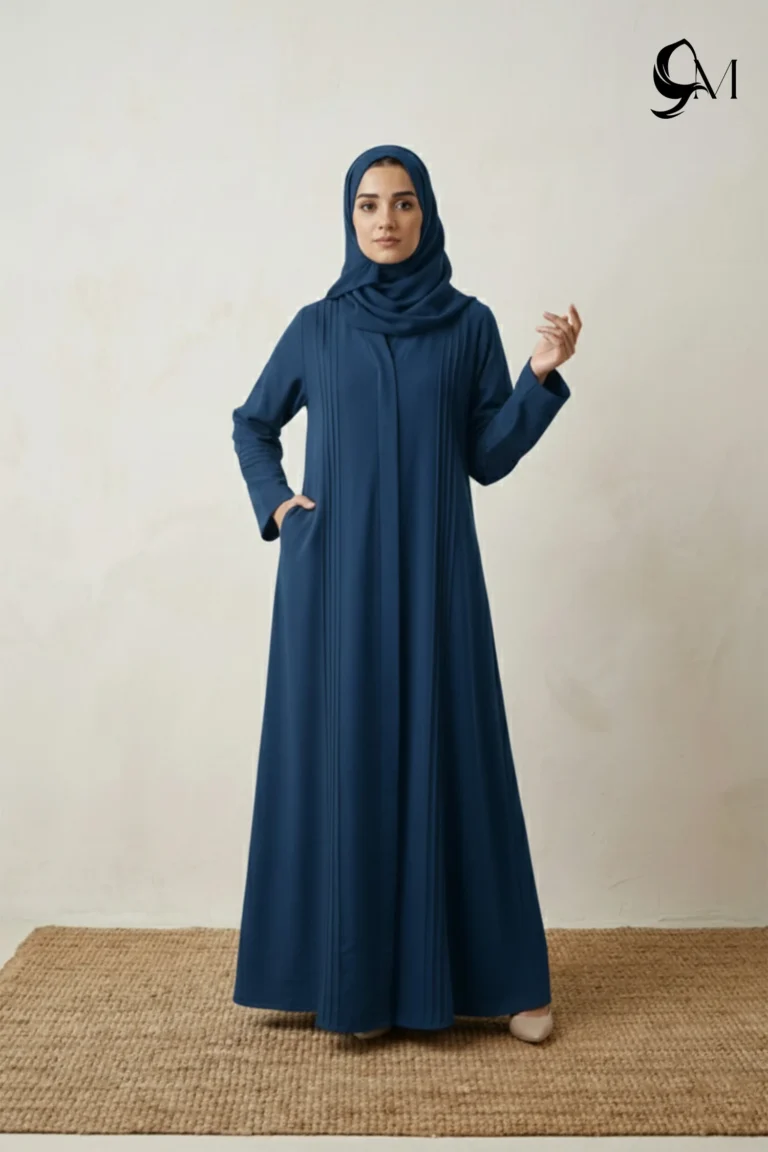
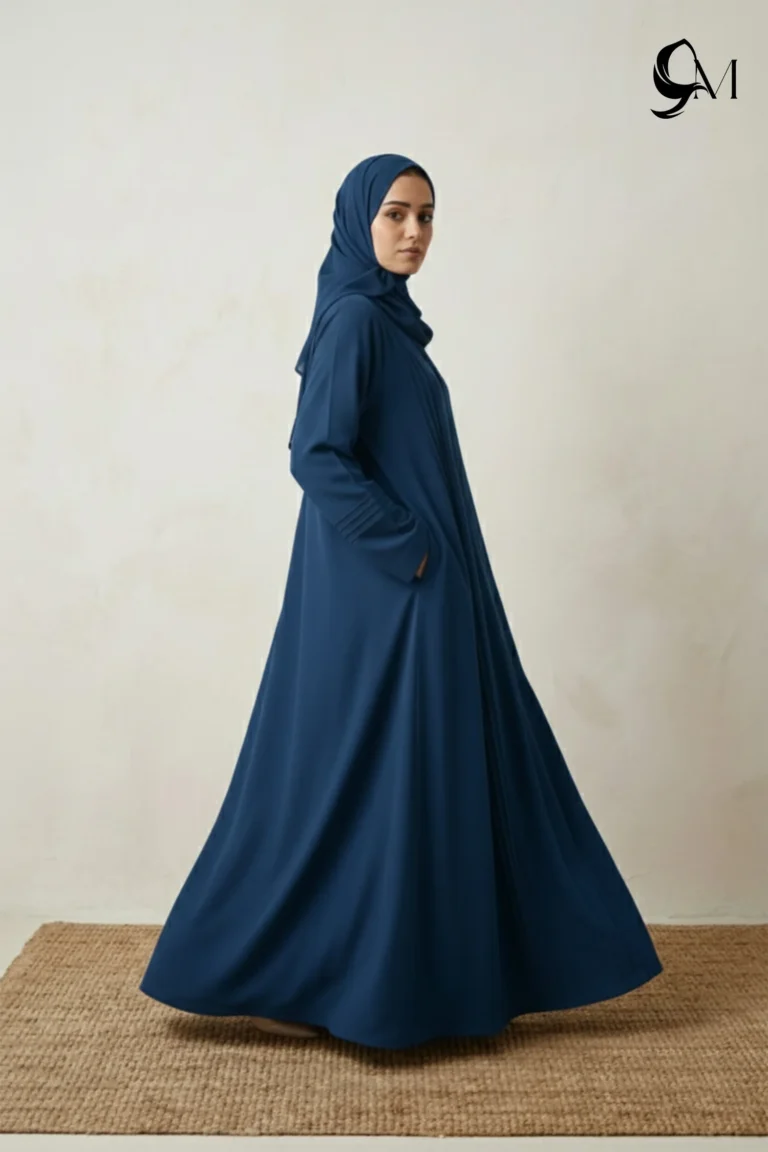
Asian Abaya Designs: Elegant South & Southeast Asian Modest Fashion
Discover Asian abaya designs that blend traditional South and Southeast Asian aesthetics with modern modest fashion. Explore the curated Asian Arabic abaya styles online for elegant, versatile, and culturally inspired outfits suitable for casual, festive, or formal occasions.
Summary:
Culturally Inspired Modest Wear: Asian abayas blend South and Southeast Asian aesthetics with modern modest fashion, featuring intricate embroidery, prints, threadwork, and lace.
Fabric Variety: Lightweight fabrics like georgette, chiffon, and cotton blends are ideal for daily wear, while silk and crepe are perfect for festive, wedding, or luxury occasions.
Versatile Styles: Includes open, closed, kaftan, kimono, layered, modern, and luxury abayas suitable for casual, formal, festive, or religious events.
Styling & Layering: Pair with matching or contrasting hijabs, scarves, or belts; open or kaftan abayas can be layered over dresses, pants, or skirts for a polished, modest look.
Price & Care Considerations: Prices range from PKR 3,000 – PKR 25,000+ depending on style and embellishments; delicate fabrics and embroidery require hand washing, gentle care, and proper storage.
Table of Contents
- What Are Asian Abayas?
- Fabrics & Materials Used in Asian Abayas
- Popular Styles of Asian Abayas
- How to Wear Asian Abayas
- Benefits of Asian Abaya Designs
- Things to Consider When Buying an Asian Abaya
- Co-Category Styles & Popular Variants
- Competitive Price Range
- Frequently Asked Questions (FAQ)
What Are Asian Abayas?
Definition and Overview
Asian abayas are modest full-length garments inspired by South and Southeast Asian fashion. They often feature open, closed, kaftan, kimono, or layered styles with intricate embroidery, thread work, stones, lace, and printed patterns.
Cultural Significance of Asian Abaya Designs
- Reflect regional heritage and craftsmanship.
- Highlight unique textile patterns and embroidery techniques.
- Combine modesty with elegance suitable for various occasions.
Differences Between Asian and Arabic Abayas
- Asian abayas emphasize intricate thread work, prints, and embroidery.
- Arabic abayas focus on minimalistic luxury and flowing silhouettes.
- Fusion Asian Arabic abayas blend elements from both regions for contemporary appeal.
Fabrics & Materials Used in Asian Abayas
Lightweight Fabrics — Georgette, Chiffon, Cotton Blends
Perfect for breathable, comfortable daily wear in warm climates.
Premium Fabrics — Silk, Crepe
Ideal for weddings, festive events, and luxury styling.
Embellishments — Embroidery, Thread Work, Lace, Stones, Prints
Enhance elegance and sophistication in modern or traditional designs.
Popular Styles of Asian Abayas
- Open vs Closed Asian Abayas: Layer open styles over dresses or pants; closed styles for full modest coverage.
- Kaftan, Kimono, and Layered Designs: Flowing, loose silhouettes for elegance and comfort.
- Modern Asian Abayas: Contemporary cuts with traditional aesthetics.
- Luxury & Wedding Asian Abayas: High-quality fabrics with intricate embellishments for special events.
How to Wear Asian Abayas
Pairing with Matching or Contrasting Hijabs and Scarves
Coordinate with hijabs, scarves, or niqabs for a polished, modest look.
Layering Open or Kaftan Abayas Over Dresses, Pants, or Skirts
Open styles provide versatility for casual, semi-formal, or formal wear.
Using Belts, Capes, or Inner Slip Dresses for Style
Enhance silhouette or add layers for a refined appearance.
Care Tips for Embroidery and Delicate Fabrics
Hand wash, dry clean, or use delicate cycles to maintain fabric and embellishment quality.
Benefits of Asian Abaya Designs
- Culturally inspired yet fashion-forward modest wear.
- Lightweight and breathable fabrics for warm climates.
- Versatile for casual, formal, festive, or religious occasions.
- Enhances elegance, modesty, and sophistication.
- Wide variety of designs suitable for Eid, weddings, and daily wear.
Things to Consider When Buying an Asian Abaya
Fabric Choice and Climate Suitability
Lightweight fabrics for summer; silk, crepe, or layered fabrics for cooler weather or formal events.
Occasion Suitability — Casual, Festive, or Formal
Choose embroidered or luxury abayas for weddings and celebrations; printed or simple fabrics for everyday use.
Maintenance and Care for Embellishments
Delicate embroidery, thread work, or stone embellishments require careful washing and storage.
Price Range Considerations
Select according to fabric quality, designer work, and intended occasion.
Co-Category Styles & Popular Variants
- Asian Embroidered Abaya: Detailed threadwork and patterns typical of South Asian fashion.
- Asian Printed Abaya: Floral, geometric, or abstract prints inspired by regional textiles.
- Asian Kaftan Abaya: Loose, flowing, festive designs.
- Asian Modern Abaya: Contemporary cuts with traditional aesthetics.
- Asian Open Abaya: Lightweight, layering-friendly designs.
- Asian Luxury Abaya: Premium fabrics with intricate embellishments for weddings or special events.
- Asian Hijab Combinations: Coordinated hijabs and scarves to complete the look.
- Asian Arabic Abaya: Fusion of South Asian and Arabic design elements for modern elegance.
Competitive Price Range
- Standard Asian Abayas: PKR 3,000 – PKR 6,000
- Embroidered or Designer Styles: PKR 6,000 – PKR 12,000
- Luxury or Wedding Abayas: PKR 12,000 – PKR 25,000+
Frequently Asked Questions (FAQ)
1. What are Asian abaya designs?
Asian abaya designs are modest, full-length garments inspired by South Asian and Southeast Asian fashion aesthetics. They often feature embroidery, thread work, stone embellishments, lace, or printed patterns, blending traditional and modern styles.
2. What fabrics are used in Asian abayas?
Common fabrics include georgette, chiffon, silk, cotton blends, and crepe, chosen for their lightweight, breathable, and flowy qualities.
3. What styles are available in Asian abayas?
- Open or layered abayas for versatile styling
- Kaftan and kimono-style abayas with flowing sleeves
- Closed or fully stitched designs
- Embroidered, printed, or embellished variations
4. Why should I wear an Asian abaya?
- Offers a culturally inspired yet stylish look
- Combines modesty with contemporary fashion
- Suitable for daily wear, festive events, weddings, or religious gatherings
- Lightweight fabrics make it comfortable for warm climates
5. How do I style an Asian abaya?
- Wear as an overlay over dresses, pants, or skirts
- Pair with a matching or contrasting hijab or niqab
- Layer open or kaftan abayas with belts, capes, or inner slip dresses
- Accessorize with jewelry or shawls for formal occasions
6. What are the benefits of Asian abayas?
- Unique, culturally inspired fashion statement
- Enhances elegance, modesty, and sophistication
- Versatile designs suitable for casual, formal, or festive occasions
- Comfortable and breathable for long wear
7. What happens if I don’t wear an Asian abaya?
- Miss out on intricate South Asian or Southeast Asian embroidery and prints
- Limited exposure to regionally inspired modest fashion
- Fewer versatile options for culturally stylish outfits
8. What are popular sub-types or co-categories of Asian abayas?
- Asian Embroidered Abaya: Detailed threadwork typical of South Asian fashion
- Asian Printed Abaya: Floral, geometric, or abstract patterns inspired by regional textiles
- Asian Kaftan Abaya: Loose flowing designs for festive occasions
- Asian Modern Abaya: Contemporary cuts with traditional aesthetics
- Asian Open Abaya: Lightweight front-open layering style
- Asian Luxury Abaya: Premium fabrics with intricate embellishments for weddings or special events
- Asian Hijab Combinations: Paired with matching hijabs or scarves for coordinated looks
9. What is the price range of Asian abayas?
- Standard abayas: PKR 3,000 – PKR 6,000
- Embroidered or designer styles: PKR 6,000 – PKR 12,000
- Luxury or wedding abayas: PKR 12,000 – PKR 25,000+
10. How do I maintain an Asian abaya?
- Hand-wash or dry clean delicate fabrics and embroidered designs
- Store on hangers to maintain shape
- Handle embellished or printed abayas carefully to prevent damage
11. Can Asian abayas be worn daily?
Yes. Lightweight fabrics like cotton blends or chiffon are ideal for casual and daily wear, while embellished or designer pieces are perfect for weddings, Eid, or formal events.
12. How to Style Asian Abayas for Casual vs Formal Events?
Pair simple abayas with minimal accessories for casual wear; use belts, embellished scarves, or heels for festive or formal occasions.
13. Which Fabrics are Best for Summer or Festive Asian Abayas?
Summer: Georgette, chiffon, cotton blends.
Festive: Silk, crepe, embellished fabrics.
14. How to Maintain Embroidered or Printed Asian Abayas?
Hand wash, dry clean, or use gentle cycles; store flat or in garment bags to protect embroidery and prints.
15. What Makes Asian Abayas Unique Compared to Arabic or Gulf Abayas?
Asian abayas feature intricate embroidery, regional prints, threadwork, and fusion styles blending South Asian and Southeast Asian aesthetics.
16. Where Can I Buy Asian Abayas Online in Pakistan?
Browse trusted Asian abaya online shops offering curated Asian abaya designs, including embroidered, printed, kaftan, and luxury collections for all occasions.
Policy:
We dispatched your orders in 1-2 business days after we had received the order.
Shipping Methods:
We offer standard shipping options such as TRAX, TCS, M&P, Postex, and Leopard.
Shipping Cost:
Currently, we offer free shipping all over Pakistan on orders above 4999rs.
Shipping Times:
Normally, Shipping times may vary (2-7 Business Days). Delivery time may vary between peak seasons but we’ll keep you updated.
Order Tracking:
Upon order we will provide you with a tracking code to check your delivery status.
Eligibility for Returns:
You can request a return within 7 days from the date of delivery. To be eligible for a return, your item must be in the same condition that you received it, unworn or unused, with tags, and in its original packaging. You’ll also need the receipt or proof of purchase.
We recommend creating a video that showcases the unboxing of the product and provides an initial review.
Refund Process:
Upon approval of your return, we will initiate a refund to your original payment method. It may take a few business days for the funds to reflect in your account.
Return Shipping:
Customers are responsible for return shipping costs unless the return is due to a mistake on our part.
How to Request a Return:
To request a return, please contact our customer support team on WhatsApp at 0341 0738060 or email us at support@munawer.com We will guide you through the process and provide you with the necessary instructions.
If your return is accepted, we’ll send you a return shipping label, as well as instructions on how and where to send your package. Items sent back to us without first requesting a return will not be accepted.
Damaged or Defective Items or Wrong Product or Never Arrived:
If you receive a damaged or defective item or the wrong product or a product that never arrived, please contact us immediately with a video or photos of the product and its packaging. We will work to resolve the issue promptly. REMEMBER: YOU MUST MAKE A VIDEO WHILE OPENING A PARCEL.
For more information, Click here to visit: Refund and Refund Policy
Author & Brand Credit:
Content by Fakher, Senior Search Analyst – Munawer.pk
