

Medication for travel – your complete Hajj/Umrah first-aid kit & guide
Preparing for Hajj or Umrah demands physical strength, endurance, and smart planning. One of the most overlooked—but absolutely essential—parts of that preparation is selecting the right medication for travel. Whether you’re a first-time pilgrim or performing your fifth Umrah, health challenges can arise quickly due to long walks, crowds, heat, and changing environments. A well-prepared kit ensures your ibadah continues smoothly without unnecessary interruptions.
This comprehensive guide explains why medicines for travel kit preparation is crucial, what to pack, how to use everything correctly, and why thousands of pilgrims now build their own kits before leaving Pakistan.
Pilgrims are advised to carry essential medication for travel during Hajj and Umrah to manage common health issues.
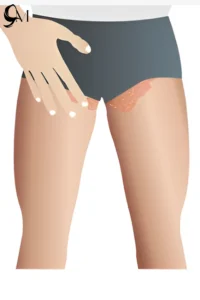
Table of Contents
- Why medication for travel is essential
- Travel health risks during Hajj & Umrah
- What a travel/first aid kit for Hajj/Umrah should include
- Benefits of being prepared vs consequences of not using
- What this travel medication kit includes
- Core medicines and first-aid items
- Foot/skin protection and support items
- Routine prescriptions & mandatory vaccinations
- How to pack & carry
- How to use your travel medication kit effectively
- When and how to use medicines
- Dosage, storage & air-travel considerations
- Special considerations for chronic patients, elderly & kids
- Choosing the right medicines for your travel kit
- Trusted brands vs generics
- What to avoid & restricted medications
- How much to carry
- Where to buy in Pakistan
- Cost & value insights
- Travel & health tips for Hajj/Umrah
- FAQs – Medication for Travel (Hajj & Umrah)
- Conclusion & next steps
Summary:
- Essential for health & comfort: Pilgrims face heat, crowds, fatigue, flu, stomach issues, and foot injuries; a ready kit prevents disruptions during rituals.
- Core medicines & first-aid: Painkillers, flu/cold tablets, allergy meds, diarrhea & dehydration remedies, antiseptics, bandages, and foot/skin care items.
- Packing & usage: Keep original packaging, hand-carry essentials, follow dosage, store properly, and note special care for elderly, children, and chronic conditions.
- Cost & convenience: Buying in Pakistan is cheaper than abroad; ensures immediate access without long queues or high expenses.
- Preparation tips: Complete prescriptions, vaccinations, hydration, sunscreen, comfortable footwear, and accessible first-aid for smooth pilgrimage experience.
Why is medication for travel essential
Preparing medication for travel isn’t optional—it’s a protective shield that keeps your energy, mobility, and comfort stable throughout the pilgrimage. While Saudi Arabia has pharmacies everywhere, the biggest challenge is timing. Illness often strikes during Tawaf, Sa’ee, long bus transfers, or after extended hours in the sun. The availability of a medicines for travel kit helps you manage symptoms instantly.
Travel health risks during Hajj & Umrah (crowds, heat, fatigue, infection)
Pilgrims commonly experience:
- Heat exhaustion from long outdoor rituals
- Dehydration due to walking in hot weather
- Muscle aches and body fatigue
- Flu, throat irritation, and seasonal allergies
- Gastrointestinal issues from new food or water
- Blisters and foot injuries from prolonged walking
These risks increase the demand for Medication for Hajj, Medication for Umrah, and First Aid Kit for Hajj items.
What a travel/first aid kit for Hajj/Umrah should include
A travel medicine kit must address:
- Pain & fever
- Flu & respiratory symptoms
- Stomach upset & diarrhea
- Heat & dehydration
- Blisters, cuts, and skin injuries
- Prescription or daily-use medicines
This ensures you have the must have medicine for travel ready in any situation.
Benefits of being prepared vs consequences of not using
Benefits
- Immediate relief from common symptoms
- Avoid long queues at pharmacies
- Maintain energy for long rituals
- Prevent mild issues from becoming serious
- Avoid unnecessary medical expenses abroad
Consequences of not preparing
- Missed rituals due to unexpected illness
- Increased fatigue and dehydration
- Blisters, cracked heels, and infections
- Delays caused by searching for medicine
- Difficulty managing chronic conditions
What this travel medication kit includes
Below is a professionally curated medicine for travel kit, perfectly aligned with the needs of pilgrims. This includes all the items you listed, integrated meaningfully.
Core medicines and first-aid items (pain relief, cold/flu, allergies, diarrhea, dehydration)
Along with Ihram and toiletries, we recommend carrying basic Hajj Umrah travel medications for a safe journey.
| Medicine Name | Reason to Take |
| Panadol / Paracetamol | Headache, fever, body aches |
| Ibuprofen (optional) | Stronger pain relief |
| Fluze / FluMax | Cold, flu, fever |
| Cetrizine / Loratadine | Allergy, sneezing, runny nose |
| Cough Syrup | Cough, throat irritation |
| Imodium | Sudden diarrhea |
| ORS Sachets | Dehydration & mineral loss |
| Risek / Omeprazole | Acidity, stomach upset |
| Buscopan | Stomach cramps |
| Activated Charcoal | Mild food poisoning |
| Antiseptic Cream | Cuts, wound infection |
| Bandages, Gauze & Plasters | Minor injuries |
| Dettol / Antiseptic Wipes | Hygiene & disinfection |
This is the same foundation commonly recommended in professional medication for international travel guides.
Foot/skin protection and support items
Foot issues are extremely common due to constant walking on marble floors.
Include:
- Foot crack cream
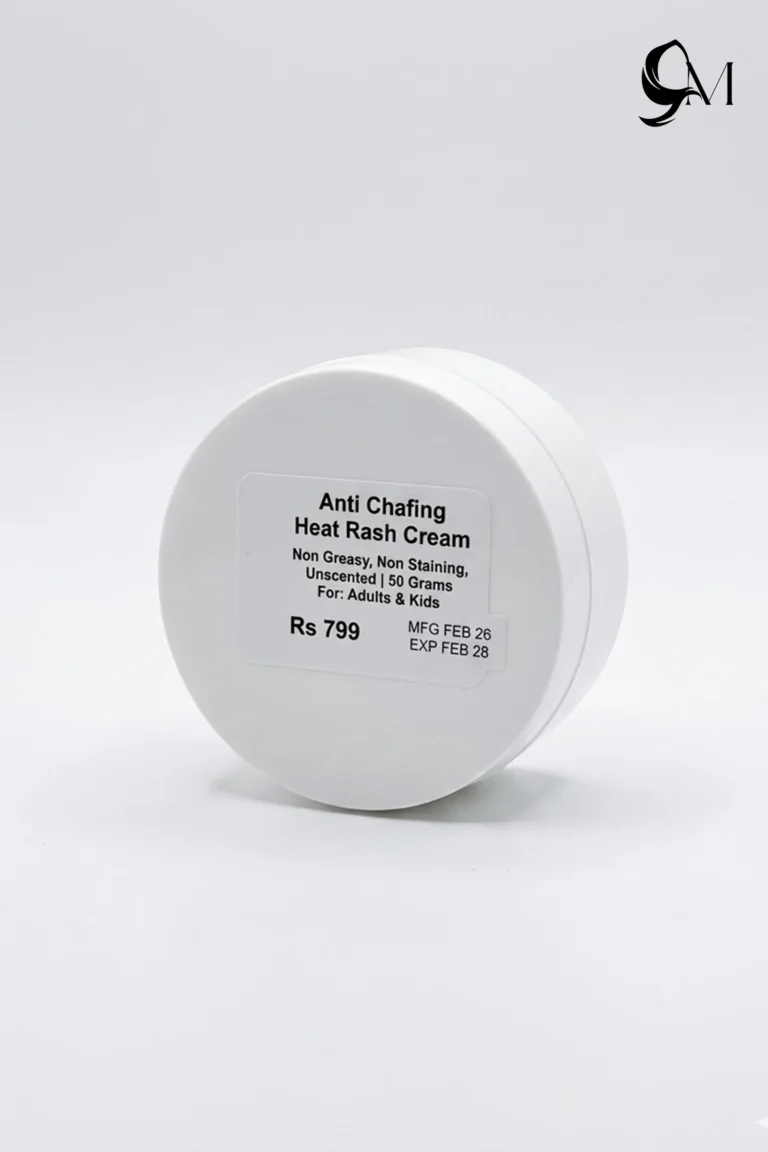
- Anti-rash / anti-chafing cream
- Blister patches
- Vaseline/petroleum jelly
- Sunscreen (Ihram-safe)
- Lip balm
These essentials fall under medicine for long travel comfort items that prevent painful interruptions.
Routine personal prescriptions & mandatory vaccinations
Essential for every pilgrim:
- Daily blood pressure medicine
- Sugar/diabetes medication
- Thyroid medication
- Heart-related prescriptions
- Inhalers (if needed)
- Meningococcal ACWY vaccination certificate (mandatory)
How to pack & carry: Originals, hand-carry, temperature considerations
- Always carry medicines in the original packaging.
- Keep essential medicines in hand-carry for airport checks.
- Avoid storing creams or gels in extreme heat.
- Use a small waterproof pouch for quick access.
How to use your travel medication kit effectively
When and how to use the medicines
Use your medication at the onset of symptoms:
- Painkillers for headache or fever
- Anti-allergy tablet for dust-triggered symptoms
- ORS immediately when dehydrated
- Flu medicines at first sign of cold
Dosage, storage, and traveling with medicines
When dealing with medication for air travel, follow these rules:
- Keep liquids below 100ml if in hand-carry
- Carry prescription notes for all chronic medicines
- Keep tablets/pills in a cool pouch
- Never mix different medicines in one bottle
Special considerations: chronic conditions, elderly, kids, heat exposure
- Elderly individuals must drink ORS daily
- Heart and diabetic patients require consistent dosage
- Children should only take doctor-approved medicines
Choosing the right medicines for your travel kit (Buying guide)
Trusted brands vs generic, what matters
Choose:
- Reliable brand tablets
- Moisture-resistant packaging
- Blister-sealed strips
- Compact travel-size medicines
What to avoid: Restricted medicines
Saudi Arabia restricts:
- Narcotic painkillers
- Strong sedatives
- Sleeping pills
- High-dose codeine syrups
Always check official guidelines before traveling.
How much to carry
For a 10–15 day trip:
- Painkillers (10–15 tablets)
- Allergy tablets (6–10 tablets)
- Flu medicine (6 tablets)
- 6–8 ORS sachets
- 2 small ointments
- 1 antiseptic tube
- 5–10 bandages
Where to buy in Pakistan
Available at:
- Major pharmacies nationwide
- Online stores
- Travel suppliers
- Umrah preparation shops
Estimating cost and value: Why buying in Pakistan is economical
Pricing Example (2025–2026 estimate)
- Paracetamol: Rs. 80–120
- ORS: Rs. 35–60 per sachet
- Antiseptic cream: Rs. 250–450
- Flu tablets: Rs. 150–300
- Blister patches: Rs. 200–350
- Foot crack cream: Rs. 300–500
Buying in Pakistan costs 30–40% less than buying in Saudi Arabia.
| Item | Pakistan Price (PKR) | Saudi Arabia Price (SAR) |
| Panadol / Paracetamol | 80–120 | 15–20 |
| ORS Sachets | 35–60 | 8–12 |
| Foot Crack Cream | 300–500 | 35–50 |
| Blister Patches | 200–350 | 20–30 |
| Flu Tablets | 150–300 | 25–40 |
| Antiseptic Cream | 250–450 | 30–45 |
Travel & health tips for Hajj/Umrah
- Get a pre-travel medical check-up
- Stay hydrated (2–3 liters/day minimum)
- Use sunscreen and lip balm
- Wear comfortable walking footwear
- Wash hands frequently
- Avoid unnecessary crowding
- Keep medicines accessible at all times
For complete personal care, combine toiletries with essential travel medications for Hajj and Umrah
Customer Testimonials
“I thought I wouldn’t need much but I fell sick on day two of Umrah. The kit I prepared using this guide saved my whole trip. The ORS and Panadol were lifesavers. Can’t thank Munawer.pk enough.”
— Saima Arif, Rawalpindi
“My dad is 65 and went for Hajj last year. We made a complete medicine for travel kit. He used almost everything—especially blister patches and allergy tablets. Very helpful.”
— M. Raza, Karachi
“Honestly, I didn’t plan properly before my first Umrah. This time I followed a list from Munawer.pk and the difference was huge. No stress, no searching for medicines abroad.”
— Areej Hassan, Lahore
Customers trust Munawer for genuine travel essentials, including reliable medication for Umrah and Hajj travel.
FAQs – Medication for Travel (Hajj & Umrah)
1. What medicine should I take for Hajj or Umrah?
A complete Umrah medicine list includes: pain relief (Panadol, Ibuprofen), flu tablets, allergy medicines, diarrhea treatment (Imodium), ORS, acidity medicine (Risek/Omeprazole), stomach cramp relief (Buscopan), activated charcoal, cough syrup, blister patches, foot creams, antiseptic creams, bandages, and personal prescription medicines. These cover the most common illnesses during pilgrimage.
2. What medicine to bring for international travel (including Hajj/Umrah)?
Bring a small medical kit with fever medicine, flu tablets, allergy pills, stomach medicines, ORS, motion-sickness tablets, antiseptic cream, band-aids, and any routine or chronic medications. Always pack them in original packaging and keep prescriptions with you.
3. How to pack medication for international air travel?
Pack all essential medicines in your hand-carry, keep them in original boxes, and bring your doctor’s prescription for long-term or controlled medications. Avoid liquids over airline limits unless medically necessary and declared. Keep temperature-sensitive medicines insulated if needed.
4. How to pack medicine for travel safely?
Use a zip-bag or a travel pouch. Separate painkillers, stomach medicines, and first-aid supplies. Add labels if needed. Keep daily-use medicines in your backpack for easy access during rituals.
5. What medicine is needed for high-altitude travel?
If you plan side trips involving mountains (e.g., Taif), you may need altitude-related medicines such as acetazolamide (consult your doctor first), ORS for dehydration, and motion-sickness tablets for winding roads.
6. What is the best medicine for travel sickness?
Common options include motion-sickness tablets containing dimenhydrinate or meclizine. These help with nausea, dizziness, and vomiting during long bus rides or flights.
7. What medicine is good for air travel sickness?
Travelers often use dimenhydrinate tablets 30 minutes before the flight. Ginger capsules or light snacks can also help control nausea during turbulence.
8. Which medicine is best for travel anxiety?
Mild cases can be managed with calming herbal supplements or breathing techniques. For stronger medicines (like anti-anxiety tablets), you must consult your doctor and carry a prescription, especially when entering Saudi Arabia.
9. What to take for motion sickness during long bus travel in Hajj/Umrah?
Anti-motion sickness tablets taken before the journey help prevent dizziness and nausea. Always stay hydrated, avoid heavy meals, and sit near the front of the bus.
10. What medicine should I take for travel diarrhea?
Imodium (Loperamide) for sudden loose motions, activated charcoal for mild food poisoning, and ORS for hydration. Seek medical help if symptoms last over 24–48 hours.
11. What is the best stomach medicine for travel?
For acidity: Risek/Omeprazole/Nexum
For cramps: Buscopan
For irritation or bloating: Activated charcoal or light antacids
For dehydration: ORS sachets
12. What medicine is best for travel constipation?
A mild stool softener or fiber supplement works well. Staying hydrated and eating fruits helps prevent constipation during long flights.
13. Which medicine is best for travel vomiting?
Anti-vomiting tablets containing ondansetron or dimenhydrinate help with nausea, vomiting, and motion sickness during flights or long bus rides.
Infection, Heat & General Health FAQs
14. Do I need malaria medicine for travel to Saudi Arabia?
General Hajj/Umrah routes do not require malaria prophylaxis. However, if traveling from or to a malaria-risk country before/after Umrah, consult your doctor.
15. Why is medication important during Hajj/Umrah?
Crowds, heat, long walking hours, and exhaustion increase the risk of flu, fever, dehydration, stomach upset, and foot injuries. Being prepared keeps you safe and prevents interruption of your ibadah.
16. What happens if I travel without a proper medicine kit?
You may face delays, difficulty finding medicines abroad, higher costs, or disrupted rituals. Without proper medication, issues like dehydration, flu, or stomach upset can worsen quickly.
17. What should I take for foot pain, blisters, and cracks in Hajj?
Foot crack cream, blister patches, petroleum jelly, and comfortable socks are essential. Long walking can cause severe heel cracks and blisters if not treated early.
18. What first-aid items are essential for Umrah?
Bandages, plasters, antiseptic cream, gauze, Dettol wipes, and tape. These help with cuts, scrapes, and infections caused by walking or crowded areas.
19. Can I carry all medicines with me to Saudi Arabia?
Yes, as long as they are common over-the-counter medicines. For prescription medicines, carry:
- Doctor’s prescription
- Original packaging
- Only necessary quantities
Avoid restricted or narcotic medications.
20. Where should I keep my medicines during Hajj/Umrah?
Keep essential medicines in your hand-carry or backpack, especially:
- Painkillers
- ORS
- Flu tablets
- Personal medications
- First-aid items
Luggage bags may not be accessible for many hours during rituals.
Our Policy Overview
We dispatched your orders in 1-2 business days after we had received the order.
Shipping Methods:
We offer standard shipping options such as TRAX, TCS, M&P, Postex, and Leopard.
Shipping Cost:
Currently, We offer free shipping all over Pakistan on orders above 4999rs.
Shipping Times:
Normally, Shipping times may vary (2-7 Business Days). Delivery time may vary between peak seasons, but we’ll keep you updated.
Order Tracking:
Upon order we will provide you with a tracking code to check your delivery status.
Eligibility for Returns:
You can request a return within 7 days from the date of delivery. To be eligible for a return, your item must be in the same condition that you received it, unworn or unused, with tags, and in its original packaging. You’ll also need the receipt or proof of purchase.
We recommend creating a video that showcases the unboxing of the product and provides an initial review.
Refund Process:
Upon approval of your return, we will initiate a refund to your original payment method. It may take a few business days for the funds to reflect in your account.
Return Shipping:
Customers are responsible for return shipping costs unless the return is due to a mistake on our part.
How to Request a Return:
To request a return, please contact our customer support team on WhatsApp at 0341 0738060 or email us at support@munawer.com We will guide you through the process and provide you with the necessary instructions.
If your return is accepted, we’ll send you a return shipping label, as well as instructions on how and where to send your package. Items sent back to us without first requesting a return will not be accepted.
Damaged or Defective Items or Wrong Product or Never Arrived:
If you receive a damaged or defective item or the wrong product or a product that never arrived, please contact us immediately with a video or photos of the product and its packaging. We will work to resolve the issue promptly. REMEMBER: YOU MUST MAKE A VIDEO WHILE OPENING A PARCEL.
For more information, click here to visit: Refund and Refund Policy https://munawer.pk/refund_returns/
Note: Policies may change over time without notice.
Conclusion & next steps
Summary of key takeaways
A complete medicine for travel kit ensures safety, comfort, and continuity of worship. It minimizes health disruptions and protects you from unexpected issues during Hajj and Umrah.
Call to action
Start assembling your kit today, check your prescriptions, and complete your vaccinations early.
Final reminders
- Carry your prescription
- Store medicines properly
- Keep your ACWY vaccination proof with you
- Pack smart and stay consistent with dosages
- Accessories like belts, pouches, and basic medication for Hajj and Umrah travel help pilgrims stay comfortable.
Brand: Munawer.pk
Author: Fakher — Senior Search Analyst, Munawer.pk
