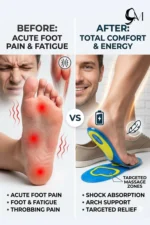



Silicone Insole — Full-Foot Support for Pain-Free Days
Foot pain does not announce itself. It starts as mild tiredness after a long shift, turns into a dull ache by evening, and one morning you take your first step out of bed and feel a sharp stab under your heel that tells you something needs to change. Whether you stand on marble floors all day, walk through Hajj rituals for hours, or simply wear shoes that have given up supporting you, your feet deserve more than just pushing through the pain.
Medicated Foot Insoles for Every Condition and Every Shoe
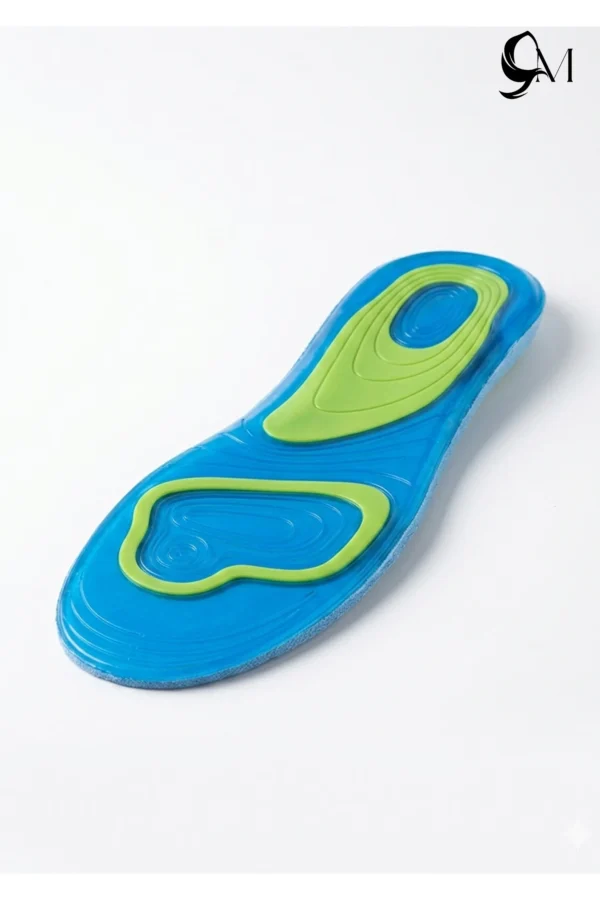
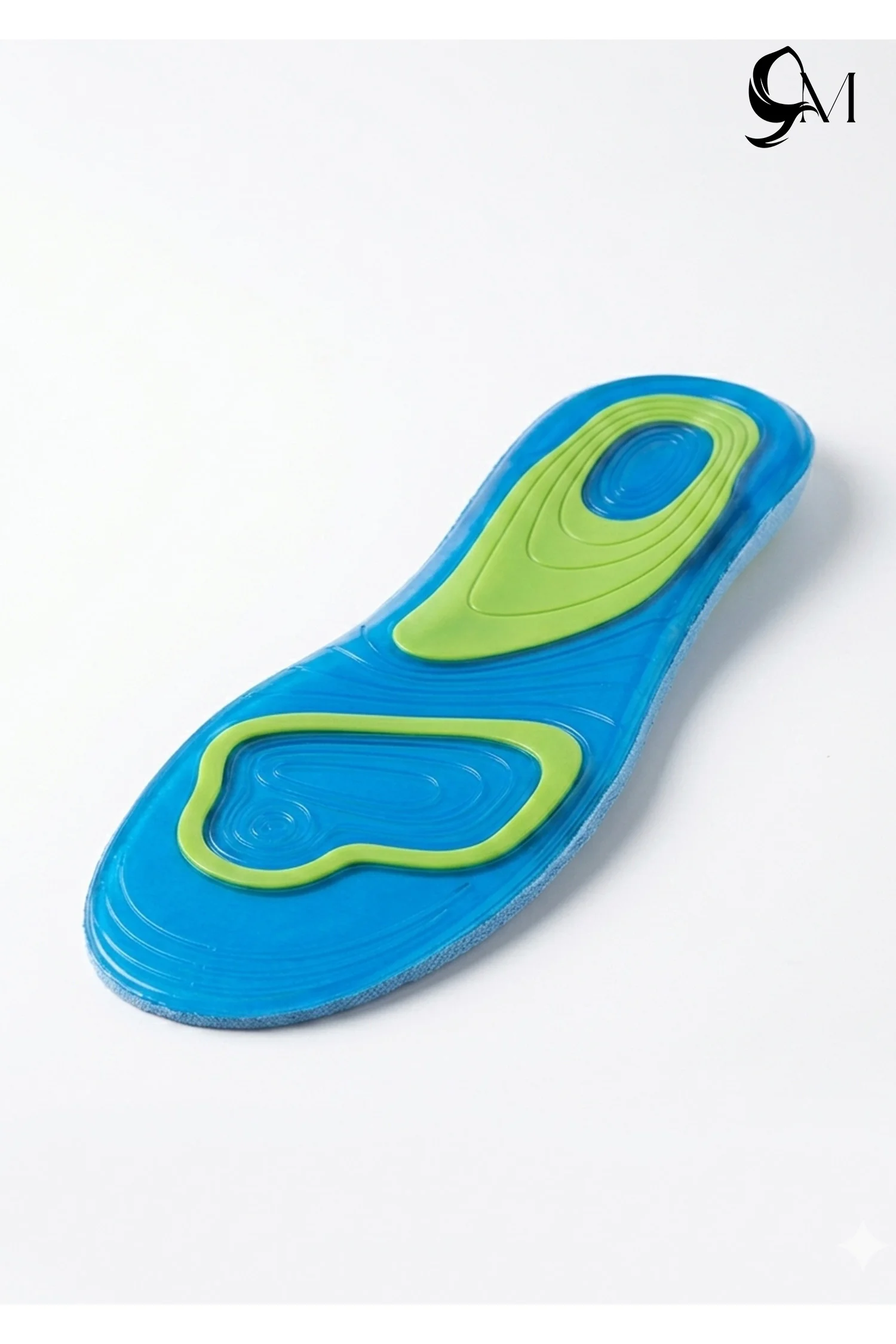
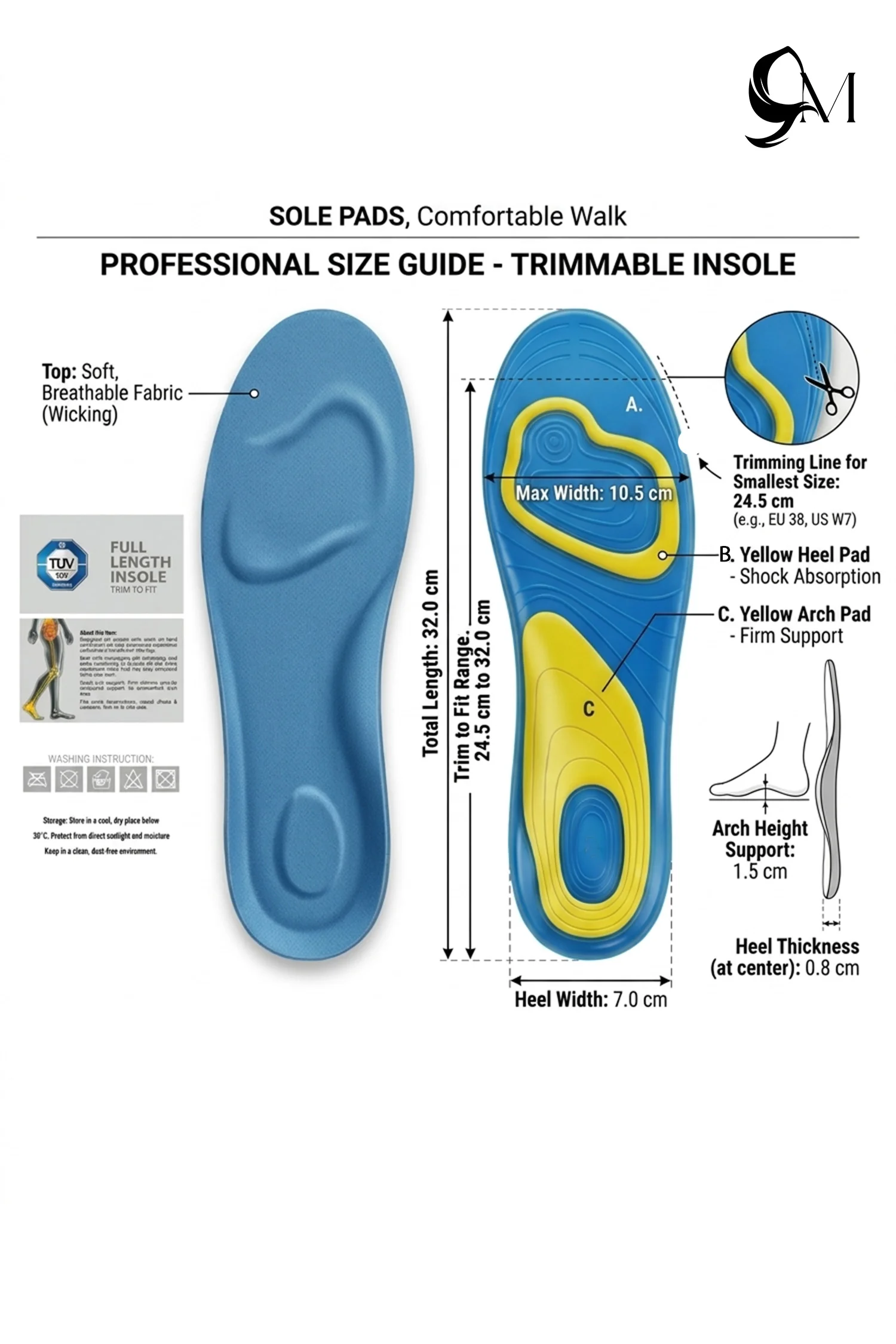
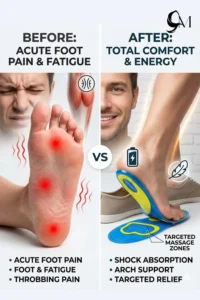
These silicone insoles sit inside your shoe from heel to toe, providing shock absorption, arch correction, and pressure relief across every zone your foot touches the ground. The deep heel cup cradles and stabilises your heel, the raised arch zone supports flat foot orthotics insoles correction by preventing your foot from rolling inward, and the metatarsal pad relieves forefoot pressure that builds up during long standing hours. Medical-grade silicone delivers genuine cushioning rather than the false comfort of cheap foam that flattens within weeks, and the trimmable design fits any shoe size without needing multiple pairs.
Silicone Insoles for Plantar Fasciitis, Flat Feet, and Daily Foot Fatigue
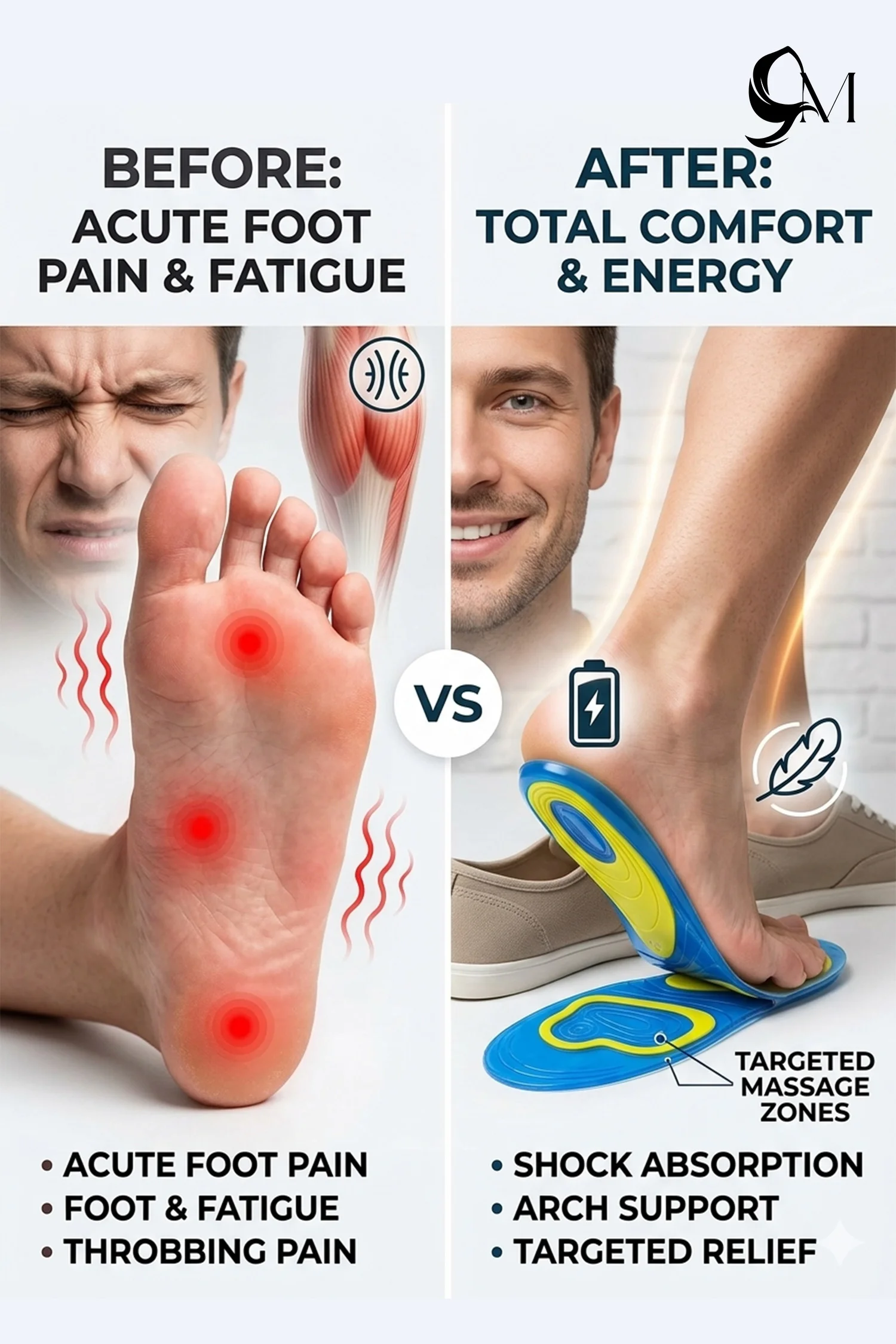
Picture standing for six hours on a hard classroom floor or a factory shift and still walking out without that grinding heel pain you have learned to expect. These gel foot insoles are especially effective for insoles for foot pain caused by plantar fasciitis, where the combination of heel cushioning and arch support reduces strain on the plantar fascia ligament from the very first wear. The same silicone gel insoles work equally well as foot orthotic insoles for flat feet sufferers, whose knee, hip, and lower back pain often traces directly back to uncorrected foot alignment. As a silicon foot insole, the transparent medical-grade gel is washable, reusable for up to twelve months, and fits comfortably into silicone insoles for shoes ranging from sports trainers to school shoes and office footwear. Pakistani orthopaedic doctors and physiotherapists across Lahore, Karachi, and Islamabad now routinely recommend this as an affordable first-line treatment before considering custom orthotics or further medical intervention.
Silicone Insole Price in Pakistan
The current price of a silicone insole price is 1299rs. It is important to note that this price may vary based on several external factors, such as changes in manufacturing costs, market demand, and economic conditions. This means that fluctuations in these factors could lead to an increase or decrease in the price of the foot heel pad over time.Order your silicone insole from Munawer.Pk today, with Cash on Delivery and fast delivery across Pakistan. Every step you take should feel supported, not survived.
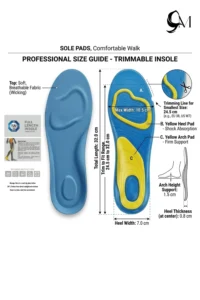
Complete Silicone Insole: Specifications That Justify the Purchase
Why These Medicated Foot Insoles Work for Flat Feet, Plantar Fasciitis, and Daily Standing in Pakistan
📌 FEATURE BULLETS:
- Medical-grade silicone gel construction → this silicon foot insole absorbs and distributes impact shock across the full foot from heel to toe, reducing fatigue during 6 to 12 hour standing shifts on Pakistan’s hard marble and ceramic tile floors
- Raised arch support zone → corrects overpronation in flat foot orthotics insoles, reducing the knee, hip, and lower back pain that develops from flat-footed walking over months and years
- Deep contoured heel cup plus metatarsal pad → these silicone insoles for plantar fasciitis target the two highest-pressure zones simultaneously, heel strike and forefoot load, in one full-length insert
- Trimmable oversized format with printed size lines → one pair fits multiple shoe sizes across the household by cutting along the nearest size marker with scissors, no separate size purchase needed
- Unisex → Not gender specific
- 4 to 8mm flat and 6 to 12mm arch support thickness options → fits comfortably inside sports shoes and casual shoes without making the fit uncomfortably tight
- Non-slip base layer → these silicone gel insoles stay correctly positioned inside the shoe throughout the day without sliding forward or bunching under the arch
- Extra-soft seamless diabetic variant available → removes all pressure points from neuropathic feet, directly addressing the growing diabetic foot complication risk flagged by Pakistani pharmacies and orthopaedic clinics
- Reflexology nodule variant maps raised pressure points to organ reflex zones → popular among older Pakistani buyers for claimed whole-body wellness benefits beyond basic foot orthotic insoles cushioning
- Breathable top fabric layer → reduces foot sweating and shoe odour during Pakistan’s hot and humid summer months, a common complaint with solid gel foot insoles that trap heat
- Washable with mild soap and air-dry → these silicone insoles for shoes last 12 to 24 months with proper care, significantly cheaper per month than physiotherapy sessions or custom orthotics
Munawer.Pk multiple foot insoles variants including gel, arch support, diabetic, and reflexology types with condition-matched descriptions clearly stated, addressing the most common Pakistani buyer mistake of purchasing the wrong insole type for their specific foot condition.
Silicone Insole Questions Pakistani Buyers Ask Honestly
Q: What is the difference between a silicone insole and a heel pad, and which one do I actually need?
A: A heel pad covers only the heel area, which is right for people whose pain is isolated specifically to the heel, such as heel spurs or Achilles discomfort. A full silicone insole runs from heel to toe and supports the entire foot, which is the right choice for flat feet, plantar fasciitis, general standing fatigue, or back and knee pain caused by poor foot alignment. If your pain is only at the heel, a heel pad is sufficient. If your feet ache across the arch, ball of foot, or you stand for many hours daily, a full insole gives more comprehensive relief.
Q: Which insole type should I choose for plantar fasciitis and flat feet?
A: For plantar fasciitis, choose a silicone gel insole with a deep heel cup and arch support. The arch support reduces the strain on the plantar fascia ligament that causes the sharp heel pain, particularly the stabbing sensation with your first steps in the morning. For flat feet, a semi-rigid orthopaedic insole with a structured arch zone corrects the inward rolling of the foot that causes pain to travel upward into the knees, hips, and lower back. If you are unsure which condition applies to you, one consultation with a physiotherapist before purchasing is worth it, since choosing the wrong insole type for your specific condition provides limited relief.
Q: Pakistan’s homes and workplaces have mostly marble and tile floors. Will these actually make a difference?
A: Yes, and this is the most common reason Pakistani buyers report the biggest improvement. Hard marble and ceramic tile floors offer zero natural shock absorption, so every step sends full impact force through your heel and arch up to your joints. A silicone gel insole inside your shoes absorbs and distributes that impact before it reaches your skeleton. Teachers, shop staff, security guards, and housewives who stand on hard floors for 6 to 12 hours daily consistently report noticeable reduction in foot and leg fatigue within the first few days of use.
Q: The insole I received seems slightly large for my shoe. Can I cut it?
A: Yes. Place the insole against your shoe’s existing inner sole and trace around it, then cut along the nearest printed size line with a regular pair of scissors. Silicone and gel materials cut cleanly without fraying. The trimmable design means one pair fits multiple shoe sizes across a household. The most common mistake is cutting too aggressively on the first attempt, so trim slightly less than you think you need, test the fit, and trim further if required.
Q: Are reflexology insoles actually useful, or is it just a marketing claim?
A: The raised nodules on reflexology insoles do stimulate pressure points across the foot sole with each step, which many users find produces a noticeable sensation of warmth and improved circulation in the feet and legs. The broader claims about stimulating specific body organs through foot pressure points come from traditional reflexology practice rather than clinical evidence, so treat those claims as a wellness philosophy rather than a medically verified benefit. Among older Pakistani buyers specifically, reflexology insoles are consistently praised for the comfort and circulation effect, independent of the organ-zone claims.
Q: I am diabetic. Are regular silicone insoles safe for me, or do I need the diabetic-specific variant?
A: For diabetic foot care, you need the diabetic-specific insole, not a standard silicone or gel variant. Diabetic neuropathy reduces sensation in the feet, which means pressure sores and ulcers can develop without you feeling them until they become serious. Diabetic insoles use extra-soft, seamless materials with no raised pressure points or hard zones that could create localised pressure. Standard silicone insoles, while cushioning, have structured arch zones and heel cups that can create pressure points on neuropathic feet. Pakistani orthopaedic doctors and pharmacies in major cities increasingly stock diabetic insoles specifically because foot complications from diabetes are a serious and growing concern.
Q: How long before a cheap insole goes flat and stops working?
A: Budget insoles from unverified sellers typically flatten and lose all cushioning within 2 to 4 weeks of daily use, at which point they provide no more support than the original shoe sole. A quality medical-grade silicone insole lasts 10 to 24 months with daily use before the cushioning permanently compresses. The test is simple: press your thumb firmly into the heel cup area. If it springs back, the insole still has life. If it stays compressed, it needs replacing. Washing gently with mild soap and air drying flat monthly also extends lifespan by preventing material degradation from sweat buildup.
Q: What are silicone insoles and how are they different from regular insoles?
A: Silicone insoles are full or partial foot inserts made from medical-grade silicone that sit inside your shoe to provide cushioning, shock absorption, arch support, and pressure redistribution across the entire foot. What sets them apart from regular insoles is the material itself — silicone has unique viscoelastic properties that allow it to compress under load and return to its original shape, mimicking the natural fat pads of the foot far more effectively than foam or fabric insoles. Regular insoles are typically made from EVA foam, or fabric and primarily add a layer of padding — they compress permanently over time and lose effectiveness within weeks. Silicone insoles maintain their cushioning properties significantly longer, are washable and reusable, and provide more consistent therapeutic benefit for people with specific foot conditions.
Q: What are medicated foot insoles and how are they different from regular insoles?
A: The term “medicated insole” is used broadly in Pakistan and covers two distinct categories that are worth understanding separately. The first category includes insoles containing active pharmaceutical or antimicrobial ingredients — such as antifungal agents, antibacterial compounds, or activated charcoal — embedded into the insole material to treat or prevent foot infections and odor. The second and more common category refers to orthopedic or therapeutic insoles that are medically designed to correct foot alignment, redistribute pressure, and treat conditions like plantar fasciitis, flat feet, and diabetic foot — even without pharmaceutical ingredients. What distinguishes both from regular insoles is clinical intent and design precision — medicated and orthopedic insoles are engineered to address a specific problem, while regular insoles simply add comfort.
Q: Who should use medicated foot insoles, and what conditions do they help with?
A: Medicated and therapeutic foot insoles are recommended for a wide range of people and conditions:
- Plantar fasciitis sufferers — arch support and heel cushioning reduce strain on the inflamed fascia
- People with flat feet (fallen arches) — insoles with built-in arch support correct the collapsed arch and reduce associated knee, hip, and back pain
- Diabetic patients — specially designed diabetic insoles redistribute pressure away from vulnerable areas to prevent ulcers and pressure sores
- Athletes and runners — high-density insoles absorb repetitive impact and reduce injury risk
- People with heel spurs or Achilles tendonitis — targeted heel cushioning and elevation reduce pressure and tendon strain
- Office workers and those who stand all day — reduce fatigue and prevent overuse injuries
- Elderly people — compensate for natural fat pad thinning and improve stability
- People with overpronation or supination — corrective insoles improve gait alignment
Q: What are foot orthotic insoles and when are they recommended by doctors?
A: Foot orthotic insoles are specially designed inserts that correct the mechanical function of the foot by controlling motion, redistributing pressure, and supporting the foot’s natural arch. They range from over-the-counter (OTC) options available at pharmacies and online to custom-made orthotics prescribed and fitted by a podiatrist or orthopedic specialist based on a detailed foot assessment. Doctors typically recommend orthotics when:
- Conservative treatments like rest, stretching, and regular insoles haven’t resolved pain
- A structural foot deformity is identified — flat feet, high arches, or leg length discrepancy
- A patient has diabetes and requires pressure offloading to prevent ulceration
- Chronic knee, hip, or lower back pain is traced to poor foot biomechanics
- A sports injury is related to repetitive strain from improper foot alignment
Q: Are orthotic insoles effective for people suffering from flat feet?
A: Yes — orthotic insoles are one of the most effective non-surgical interventions for flat feet. Flat feet (fallen arches) cause the entire sole to make contact with the ground, which alters the alignment of the entire lower limb and often leads to knee pain, shin splints, hip discomfort, and lower back pain in addition to foot fatigue. Orthotic insoles with a built-in medial arch support restore the foot’s natural arch geometry, correcting this alignment from the ground up. Silicone orthotic insoles are particularly effective because the material provides both the necessary structural support and cushioning comfort that flat-footed individuals need. Results improve significantly with consistent daily wear — most users notice meaningful improvement in foot fatigue and associated pain within 2 to 4 weeks of regular use.
Q: How do silicone insoles help people with flat feet walk more comfortably?
A: Silicone insoles help flat-footed individuals in several interconnected ways. The arch support component lifts and maintains the medial arch, preventing the inward rolling (overpronation) that flat feet cause with every step. This correction reduces the abnormal twisting forces on the ankle, knee, and hip that accumulate throughout the day. The cushioning component absorbs the impact that flat feet experience more intensely than normally arched feet, since the absence of a natural arch means less inherent shock absorption. Together, these two effects mean less foot fatigue, less pain at the end of the day, more stable walking mechanics, and reduced risk of developing secondary conditions like shin splints or knee pain from prolonged flat-footed walking.
Q: What is a full silicone insole and how does it differ from a half or heel-only pad?
A: A full silicone insole covers the entire footbed from heel to toe, providing cushioning, arch support, and pressure redistribution across all three zones of the foot — heel, midfoot arch, and forefoot. A half insole typically covers from the heel to the midpoint of the foot, addressing heel and arch issues without adding thickness under the toes. A heel-only pad covers just the heel area, targeting heel-specific conditions without affecting the rest of the foot. Full insoles are the most comprehensive option and are preferred when multiple areas of the foot need support. Half insoles work well when toe box space is limited — such as in formal or pointed shoes. Heel pads are the most targeted option for isolated heel conditions. For everyday comfort and chronic foot pain management, a full silicone insole typically delivers the broadest and most balanced benefit.
Q: Can silicone insoles help relieve chronic foot pain?
A: Yes — and for many people with chronic foot conditions, silicone insoles become a permanent daily essential rather than a temporary solution. Chronic foot pain often involves a cycle of inflammation, compensatory movement, and structural stress that perpetuates itself with every step. Silicone insoles interrupt this cycle by absorbing impact before it reaches inflamed tissues, correcting alignment to reduce abnormal stresses, and redistributing pressure away from the most painful areas. Unlike pain medication, which addresses symptoms chemically, silicone insoles address the mechanical cause of pain — making them a sustainable long-term management tool without side effects. For best results with chronic pain, pair silicone insoles with targeted stretching exercises and appropriate footwear.
Q: What makes an insole ‘medicated’ and are silicone insoles clinically approved?
A: The term “medicated” in the insole context is used loosely in the Pakistani market and isn’t always regulated consistently. Technically, a medicated insole contains active therapeutic compounds — antifungal agents, antibacterials, or anti-inflammatory materials — embedded in the insole structure. In common Pakistani usage, however, “medicated insole” often simply means a therapeutic or orthopedic insole designed to treat a foot condition, even without pharmaceutical ingredients. Regarding clinical approval — high-quality silicone insoles sold as medical devices should carry CE marking (European medical device standard) or FDA clearance (US standard), both of which indicate the product has met safety and efficacy requirements. When purchasing in Pakistan, look for these certifications on the packaging. Generic silicone insoles without these markings may still be effective for general comfort but haven’t been independently verified to medical standards.
Q: Do silicone insoles fit all shoe sizes and types?
A: Most silicone insoles come in standard size ranges — small, medium, large, and extra-large — and many are designed with trim lines printed on the insole surface so you can cut them to fit your exact shoe size with scissors. This makes them compatible with most shoe sizes. In terms of shoe types, full-length silicone insoles fit best in:
- Sneakers and athletic shoes with removable original insoles
- Work boots and safety shoes
- School shoes and daily casual footwear
They fit less ideally in very narrow or pointed shoes, high heels with a steep incline (where a full-length insole bunches at the toe), or very flat open sandals without a heel counter. For these shoe types, half insoles or heel-specific silicone pads are the more practical choice.
Q: How much do silicone and medicated foot insoles typically cost in Pakistan?
A: Prices vary significantly based on type, brand, and where you buy:
- Generic silicone insoles (Daraz/local stores) — Rs. 300 to Rs. 800 per pair for basic full-length or heel cup options
- Branded therapeutic insoles — Rs. 1,500 to Rs. 4,000 per pair, available online or at select pharmacies
- Antifungal/medicated insoles — Rs. 500 to Rs. 1,500 depending on brand and active ingredients
- Custom orthotic insoles — Rs. 5,000 to Rs. 15,000+ depending on the clinic and complexity of the foot assessment; available at physiotherapy and orthopedic centers in major Pakistani cities
- Diabetic-specific insoles — Rs. 2,000 to Rs. 8,000 for clinically appropriate options
Q: Can medicated foot insoles help with diabetic foot pain?
A: Yes — and for diabetic patients, appropriate foot insoles aren’t just about comfort, they’re a genuine health necessity. Diabetes causes peripheral neuropathy (reduced sensation in the feet) and poor circulation, which means pressure sores and ulcers can develop without the patient feeling pain until serious damage has occurred. Diabetic insoles are specifically designed to:
- Redistribute pressure evenly across the entire foot to prevent hotspot formation
- Use extra-soft, shock-absorbing materials that are gentle on neuropathic feet
- Reduce friction to prevent blister formation
- In some cases, include antimicrobial properties to reduce infection risk in a population that heals slowly
Pakistani diabetic patients should ideally have their insoles selected or prescribed by a doctor or physiotherapist, since the wrong insole for a diabetic foot can potentially create new pressure points that cause harm without the patient noticing. Never use hard or rigid insoles without professional guidance if you have diabetic neuropathy.
Q: Are there silicone insoles suitable for athletes and sports use?
A: Yes — sports-specific silicone insoles are designed for the higher impact demands of running, jumping, and lateral movement. They typically feature:
- Higher density silicone or dual-layer construction — firmer support layer beneath a softer cushioning layer for both stability and comfort
- Anatomical arch support — critical for runners who cover high distances and need consistent alignment
- Heel and forefoot cushioning zones — addressing the two areas that bear the most impact in running and sport
- Moisture management — some sport insoles have a fabric top layer over the silicone to reduce sweat accumulation
- Trim-to-fit design — allows precise fitting in various athletic shoe sizes
For Pakistani athletes — particularly cricket players, runners, and football players who train on hard surfaces — a good pair of silicone sport insoles significantly reduces the risk of stress injuries, shin splints, and plantar fasciitis that come from high training volumes on unforgiving ground.
Q: What materials are commonly used in medicated and therapeutic foot insoles?
A: High-quality therapeutic insoles use a combination of materials, each serving a specific function:
- Medical-grade silicone — primary cushioning and shock absorption; durable and skin-safe
- EVA foam (Ethylene Vinyl Acetate) — lightweight base layer; provides structure without adding weight
- Thermoplastic materials (polypropylene) — used in the rigid shell of custom orthotics for precise structural correction
- Activated charcoal — embedded in some insoles for odor absorption
- Silver ions or copper compounds — antimicrobial agents used in medicated insoles for antifungal and antibacterial properties
- Zinc oxide — used in some therapeutic insoles for its antimicrobial and skin-soothing properties
- Polyurethane gel — softer alternative to silicone; used in some comfort insoles
- Fabric top layer — moisture-wicking material on the surface that contacts the foot, common in sports and diabetic insoles
Q: What do customer reviews say about popular silicone insoles available locally in Pakistan?
A: Pakistani customer feedback on silicone insoles — primarily from physiotherapy patient communities — consistently highlights several themes. People with plantar fasciitis report significant morning heel pain reduction within the first week of use. Office workers and teachers praise the reduction in end-of-day foot and leg fatigue. A common positive observation is that generic silicone insoles from Daraz perform surprisingly well at a fraction of branded prices. The most frequent complaints involve sizing — some users find the trim-to-fit process imprecise and end up with a slightly ill-fitting insole.
Q: Are silicone insoles safe for sensitive skin?
A: Medical-grade silicone is one of the most skin-friendly materials used in personal care and medical products — it’s hypoallergenic, non-porous, and doesn’t harbor bacteria or release chemicals that commonly cause skin reactions. For people with sensitive skin, silicone insoles are generally safer than foam insoles, which can contain adhesives or chemical blowing agents. However, insoles worn without socks in hot, sweaty conditions can occasionally cause friction-related irritation regardless of material. Wearing moisture-wicking socks with your silicone insoles prevents sweat accumulation and significantly reduces any risk of irritation, rash, or blister formation on sensitive skin.
Q: Which companies sell silicone and medicated foot insoles in Pakistan?
A: Local physiotherapy equipment suppliers — often the best source for clinical-grade orthopedic insoles
Q: Which pharmacies in Pakistan stock silicone and medicated foot insoles?
A: The pharmacy chains most likely to stock therapeutic insoles include:
- D-Watson branches nationwide — typically carry Scholl products and basic orthopedic insoles
- Fazal Din’s Pharma in Lahore, Rawalpindi, and Islamabad — stocks a range of foot care products
- Servaid Pharmacy — growing chain with health and orthopedic product sections
- Agha’s in Karachi — well-stocked pharmacy with imported health products
- Hospital pharmacies at major institutions like Shaukat Khanum, Aga Khan, and Services Hospital often stock medicated insoles for post-consultation patient purchases
Q: How do medicated insoles help with foot odor control?
A: Foot odor is caused by bacteria breaking down sweat on the skin’s surface inside a warm, enclosed shoe — creating ideal conditions for odor-causing microorganisms. Medicated insoles address this through several mechanisms:
- Activated charcoal layers adsorb odor molecules directly, trapping them within the insole material
- Silver ion or copper-infused materials create an antimicrobial environment that inhibits bacterial growth at the source
- Zinc oxide compounds reduce bacterial populations and have a mild deodorizing effect
- Moisture-wicking top layers pull sweat away from the foot surface, reducing the moist environment that bacteria thrive in
For Pakistani summers — where foot sweating inside enclosed shoes is a significant and common problem — a medicated insole with antimicrobial properties combined with breathable footwear and daily foot hygiene makes a meaningful, noticeable difference to foot odor.
Q: Are silicone and medicated insoles safe for daily use?
A: Yes — medical-grade silicone insoles are designed specifically for daily, all-day wear. Unlike medicated creams or pharmaceutical products that can cause dependency or side effects with overuse, silicone insoles are purely mechanical in their action and have no chemical side effects. Medicated insoles with antimicrobial agents are similarly safe for daily use at the concentrations used in consumer products. The main consideration for daily use is hygiene — insoles should be cleaned regularly to prevent bacterial and fungal buildup, and replaced when they show signs of wear, compression, or material breakdown.
Q: Do silicone insoles expire or lose effectiveness over time?
A: Silicone insoles don’t have a fixed expiry date like pharmaceutical products, but they do have a functional lifespan. High-quality medical-grade silicone insoles typically remain effective for 6 to 12 months of daily use before showing signs of compression, hardening, or surface cracking. Signs that your insoles need replacing include:
- Visible cracking or tearing in the silicone surface
- Permanent compression in the heel or arch area — the insole no longer bounces back after pressure
- Hardening of the material — it no longer feels cushioning underfoot
- Persistent odor that doesn’t resolve with cleaning
- Your foot pain returning after a period of relief — often a sign the insole has lost its therapeutic properties
For medicated insoles with active ingredients, the antimicrobial or antifungal compounds may deplete before the physical insole wears out — check manufacturer guidelines for specific product replacement timelines.
Q: Are prescription custom orthotics better than over-the-counter silicone insoles?
A: For significant or complex foot conditions, custom prescription orthotics are generally more precisely effective because they’re fabricated specifically for your foot’s exact dimensions, pressure distribution patterns, and biomechanical needs. However, for the majority of common foot complaints — plantar fasciitis, general heel pain, mild flat feet, and daily comfort — high-quality OTC silicone insoles deliver very good results at a fraction of the cost. The practical Pakistani approach is to start with a quality OTC silicone insole and give it 4 to 6 weeks of consistent use. If pain persists or worsens, a physiotherapy or orthopedic consultation for custom orthotics is the appropriate next step.
Q: What are the potential side effects of using silicone insoles?
A: Silicone insoles are among the safest orthopedic aids available, but a few considerations are worth being aware of:
- Shoe fit alteration — adding an insole makes shoes slightly tighter; this can cause toe crowding or heel slipping if not accounted for
- Gait adjustment period — your body may take 1 to 2 weeks to adjust to corrected alignment, during which you may notice mild calf or knee awareness
- Skin irritation from improper fit — an incorrectly sized insole can create new pressure points or friction areas
- Overheating — silicone doesn’t breathe as well as fabric insoles; wearing without socks in hot weather can increase sweating
- Worsening of certain conditions if used incorrectly — a rigid arch support insole used on a foot that needs offloading rather than support can worsen pain; always match insole type to your specific condition
None of these are serious side effects, and most resolve with correct sizing, appropriate shoe choice, and a brief adjustment period.
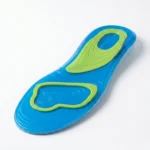 Complete Silicone Insole - Free Size | Pakistan's Trusted Flat Feet, Plantar Fasciitis & Back Pain Relief – Arch, Heel & Forefoot Relief, Washable
Silicone Insole Buyers in Pakistan Trust Munawer.Pk
Trusted source for silicone gel insoles, flat foot insoles, and foot insoles for pain relief in Pakistan
Standing for ten hours on marble or concrete with an insole that flattened within the first fortnight is not pain relief, it is just a different kind of discomfort. For anyone dealing with plantar fasciitis, flat feet, or the daily grind of hard floors, the material quality and variant match of a silicone insole determine whether it actually helps or quietly makes things worse. Munawer.Pk is a family-run Pakistani store that takes that matching seriously, verifying what is dispatched, and backing every order with real after-sale accountability so you can focus on getting comfortable rather than second-guessing your purchase.
| What matters to you | Munawer.Pk | Typical online sellers |
|---|---|---|
| Material that holds its support | Medical-grade silicone gel insoles confirmed before dispatch — proper cushioning that absorbs and rebounds with each step, not budget silicone that permanently flattens within weeks. | Cheap insoles losing all cushioning and arch support within 2–4 weeks of daily use is the single most reported complaint in this category across Pakistan. |
| Right variant for your condition | Multiple clearly described variants: gel for general cushioning, semi-rigid for flat foot orthotics insoles and arch correction, diabetic-safe for neuropathic feet, and reflexology for pressure point wellness. | Variant differences between foot orthotic insoles types are rarely explained clearly — buyers frequently choose the wrong insole for their specific condition. |
| Help choosing the right insole | Clear guidance on which variant suits plantar fasciitis, flat feet, diabetic foot, or general fatigue. Family-owned business with real people available to help before you buy. | Pre-purchase guidance is almost never available from anonymous online sellers — buyers are left to guess which insole type fits their condition. |
| See it before it ships | Video of your exact silicon foot insole recorded before dispatch, showing material flexibility, arch height, and thickness so you can assess quality before it arrives. | Pre-dispatch video is rarely offered for medical accessories, leaving buyers unable to judge actual insole quality before delivery. |
| Check before you pay | Open box allowed on Cash on Delivery. Flex the silicone, check arch height, and test the cushion spring yourself before paying a single rupee. | Most sellers do not allow open box inspection on COD orders for medical accessories. |
| Payment flexibility | Cash on Delivery (COD) available nationwide, with free delivery on your silicone insole price in pakistan order from Munawer.Pk. | COD availability and delivery charges vary by seller, often added at checkout. |
| Help if something goes wrong | 7-day easy returns and exchange policy. We follow Sunnah values of honest, fair trade in every transaction. | Return and exchange policies for medical accessories are inconsistent and often absent across the market. |
| Suits all shoe types and sizes | Trimmable gel foot insoles with printed size lines — one pair adjusts to fit multiple shoe sizes and types, from school shoes to work boots to casual footwear. | Insoles that are too large or too thick for the buyer’s specific shoes are among the most common fit complaints in Pakistan. Varies by seller. |
| Customer satisfaction record | 4.8 stars from 7,481+ verified customers, with foot health and orthopaedic accessories among our most reordered and recommended products across Pakistan. | Review counts and rating authenticity vary widely across medical accessory and insoles for foot pain sellers online. |
| Who you are buying from | Family-owned Pakistani business with real accountability behind every order, not a faceless generic storefront. | Varies by seller. Many operate without a verifiable business identity or consistent after-sale support. |
Eligibility for Returns:
You can request a return within 7 days from the date of delivery. To be eligible for a return, your item must be in the same condition that you received it, unworn or unused, with tags, and in its original packaging. You’ll also need the receipt or proof of purchase.
We recommend creating a video that showcases the unboxing of the product and provides an initial review.
Refund Process:
Upon approval of your return, we will initiate a refund to your original payment method. It may take a few business days for the funds to reflect in your account.
Return Shipping:
Customers are responsible for return shipping costs unless the return is due to a mistake on our part.
How to Request a Return:
To request a return, please contact our customer support team on WhatsApp at 0341 0738060 or email us at support@munawer.pk We will guide you through the process and provide you with the necessary instructions.
If your return is accepted, we’ll send you a return shipping label, as well as instructions on how and where to send your package. Items sent back to us without first requesting a return will not be accepted.
Damaged or Defective Items or Wrong Product or Never Arrived:
If you receive a damaged or defective item or the wrong product or product that never arrived, please contact us immediately with a video or photos of the product and its packaging. We will work to resolve the issue promptly. REMEMBER: YOU MUST MAKE VIDEO WHILE OPENING A PARCEL.
For more information Click here to visit: Refund and Refund Policy
Silicone Insole — Full-Foot Support for Pain-Free Days
Foot pain does not announce itself. It starts as mild tiredness after a long shift, turns into a dull ache by evening, and one morning you take your first step out of bed and feel a sharp stab under your heel that tells you something needs to change. Whether you stand on marble floors all day, walk through Hajj rituals for hours, or simply wear shoes that have given up supporting you, your feet deserve more than just pushing through the pain.
Medicated Foot Insoles for Every Condition and Every Shoe
These silicone insoles sit inside your shoe from heel to toe, providing shock absorption, arch correction, and pressure relief across every zone your foot touches the ground. The deep heel cup cradles and stabilises your heel, the raised arch zone supports flat foot orthotics insoles correction by preventing your foot from rolling inward, and the metatarsal pad relieves forefoot pressure that builds up during long standing hours. Medical-grade silicone delivers genuine cushioning rather than the false comfort of cheap foam that flattens within weeks, and the trimmable design fits any shoe size without needing multiple pairs.
Silicone Insoles for Plantar Fasciitis, Flat Feet, and Daily Foot Fatigue
Picture standing for six hours on a hard classroom floor or a factory shift and still walking out without that grinding heel pain you have learned to expect. These gel foot insoles are especially effective for insoles for foot pain caused by plantar fasciitis, where the combination of heel cushioning and arch support reduces strain on the plantar fascia ligament from the very first wear. The same silicone gel insoles work equally well as foot orthotic insoles for flat feet sufferers, whose knee, hip, and lower back pain often traces directly back to uncorrected foot alignment. As a silicon foot insole, the transparent medical-grade gel is washable, reusable for up to twelve months, and fits comfortably into silicone insoles for shoes ranging from sports trainers to school shoes and office footwear. Pakistani orthopaedic doctors and physiotherapists across Lahore, Karachi, and Islamabad now routinely recommend this as an affordable first-line treatment before considering custom orthotics or further medical intervention.
Silicone Insole Price in Pakistan
The current price of a silicone insole price is 1299rs. It is important to note that this price may vary based on several external factors, such as changes in manufacturing costs, market demand, and economic conditions. This means that fluctuations in these factors could lead to an increase or decrease in the price of the foot heel pad over time.Order your silicone insole from Munawer.Pk today, with Cash on Delivery and fast delivery across Pakistan. Every step you take should feel supported, not survived.
Complete Silicone Insole: Specifications That Justify the Purchase
Why These Medicated Foot Insoles Work for Flat Feet, Plantar Fasciitis, and Daily Standing in Pakistan
📌 FEATURE BULLETS:
- Medical-grade silicone gel construction → this silicon foot insole absorbs and distributes impact shock across the full foot from heel to toe, reducing fatigue during 6 to 12 hour standing shifts on Pakistan’s hard marble and ceramic tile floors
- Raised arch support zone → corrects overpronation in flat foot orthotics insoles, reducing the knee, hip, and lower back pain that develops from flat-footed walking over months and years
- Deep contoured heel cup plus metatarsal pad → these silicone insoles for plantar fasciitis target the two highest-pressure zones simultaneously, heel strike and forefoot load, in one full-length insert
- Trimmable oversized format with printed size lines → one pair fits multiple shoe sizes across the household by cutting along the nearest size marker with scissors, no separate size purchase needed
- Unisex → Not gender specific
- 4 to 8mm flat and 6 to 12mm arch support thickness options → fits comfortably inside sports shoes and casual shoes without making the fit uncomfortably tight
- Non-slip base layer → these silicone gel insoles stay correctly positioned inside the shoe throughout the day without sliding forward or bunching under the arch
- Extra-soft seamless diabetic variant available → removes all pressure points from neuropathic feet, directly addressing the growing diabetic foot complication risk flagged by Pakistani pharmacies and orthopaedic clinics
- Reflexology nodule variant maps raised pressure points to organ reflex zones → popular among older Pakistani buyers for claimed whole-body wellness benefits beyond basic foot orthotic insoles cushioning
- Breathable top fabric layer → reduces foot sweating and shoe odour during Pakistan’s hot and humid summer months, a common complaint with solid gel foot insoles that trap heat
- Washable with mild soap and air-dry → these silicone insoles for shoes last 12 to 24 months with proper care, significantly cheaper per month than physiotherapy sessions or custom orthotics
Munawer.Pk multiple foot insoles variants including gel, arch support, diabetic, and reflexology types with condition-matched descriptions clearly stated, addressing the most common Pakistani buyer mistake of purchasing the wrong insole type for their specific foot condition.
Silicone Insole Buyers in Pakistan Trust Munawer.Pk
Trusted source for silicone gel insoles, flat foot insoles, and foot insoles for pain relief in Pakistan
Standing for ten hours on marble or concrete with an insole that flattened within the first fortnight is not pain relief, it is just a different kind of discomfort. For anyone dealing with plantar fasciitis, flat feet, or the daily grind of hard floors, the material quality and variant match of a silicone insole determine whether it actually helps or quietly makes things worse. Munawer.Pk is a family-run Pakistani store that takes that matching seriously, verifying what is dispatched, and backing every order with real after-sale accountability so you can focus on getting comfortable rather than second-guessing your purchase.
| What matters to you | Munawer.Pk | Typical online sellers |
|---|---|---|
| Material that holds its support | Medical-grade silicone gel insoles confirmed before dispatch — proper cushioning that absorbs and rebounds with each step, not budget silicone that permanently flattens within weeks. | Cheap insoles losing all cushioning and arch support within 2–4 weeks of daily use is the single most reported complaint in this category across Pakistan. |
| Right variant for your condition | Multiple clearly described variants: gel for general cushioning, semi-rigid for flat foot orthotics insoles and arch correction, diabetic-safe for neuropathic feet, and reflexology for pressure point wellness. | Variant differences between foot orthotic insoles types are rarely explained clearly — buyers frequently choose the wrong insole for their specific condition. |
| Help choosing the right insole | Clear guidance on which variant suits plantar fasciitis, flat feet, diabetic foot, or general fatigue. Family-owned business with real people available to help before you buy. | Pre-purchase guidance is almost never available from anonymous online sellers — buyers are left to guess which insole type fits their condition. |
| See it before it ships | Video of your exact silicon foot insole recorded before dispatch, showing material flexibility, arch height, and thickness so you can assess quality before it arrives. | Pre-dispatch video is rarely offered for medical accessories, leaving buyers unable to judge actual insole quality before delivery. |
| Check before you pay | Open box allowed on Cash on Delivery. Flex the silicone, check arch height, and test the cushion spring yourself before paying a single rupee. | Most sellers do not allow open box inspection on COD orders for medical accessories. |
| Payment flexibility | Cash on Delivery (COD) available nationwide, with free delivery on your silicone insole price in pakistan order from Munawer.Pk. | COD availability and delivery charges vary by seller, often added at checkout. |
| Help if something goes wrong | 7-day easy returns and exchange policy. We follow Sunnah values of honest, fair trade in every transaction. | Return and exchange policies for medical accessories are inconsistent and often absent across the market. |
| Suits all shoe types and sizes | Trimmable gel foot insoles with printed size lines — one pair adjusts to fit multiple shoe sizes and types, from school shoes to work boots to casual footwear. | Insoles that are too large or too thick for the buyer’s specific shoes are among the most common fit complaints in Pakistan. Varies by seller. |
| Customer satisfaction record | 4.8 stars from 7,481+ verified customers, with foot health and orthopaedic accessories among our most reordered and recommended products across Pakistan. | Review counts and rating authenticity vary widely across medical accessory and insoles for foot pain sellers online. |
| Who you are buying from | Family-owned Pakistani business with real accountability behind every order, not a faceless generic storefront. | Varies by seller. Many operate without a verifiable business identity or consistent after-sale support. |
Silicone Insole Questions Pakistani Buyers Ask Honestly
Q: What is the difference between a silicone insole and a heel pad, and which one do I actually need?
A: A heel pad covers only the heel area, which is right for people whose pain is isolated specifically to the heel, such as heel spurs or Achilles discomfort. A full silicone insole runs from heel to toe and supports the entire foot, which is the right choice for flat feet, plantar fasciitis, general standing fatigue, or back and knee pain caused by poor foot alignment. If your pain is only at the heel, a heel pad is sufficient. If your feet ache across the arch, ball of foot, or you stand for many hours daily, a full insole gives more comprehensive relief.
Q: Which insole type should I choose for plantar fasciitis and flat feet?
A: For plantar fasciitis, choose a silicone gel insole with a deep heel cup and arch support. The arch support reduces the strain on the plantar fascia ligament that causes the sharp heel pain, particularly the stabbing sensation with your first steps in the morning. For flat feet, a semi-rigid orthopaedic insole with a structured arch zone corrects the inward rolling of the foot that causes pain to travel upward into the knees, hips, and lower back. If you are unsure which condition applies to you, one consultation with a physiotherapist before purchasing is worth it, since choosing the wrong insole type for your specific condition provides limited relief.
Q: Pakistan’s homes and workplaces have mostly marble and tile floors. Will these actually make a difference?
A: Yes, and this is the most common reason Pakistani buyers report the biggest improvement. Hard marble and ceramic tile floors offer zero natural shock absorption, so every step sends full impact force through your heel and arch up to your joints. A silicone gel insole inside your shoes absorbs and distributes that impact before it reaches your skeleton. Teachers, shop staff, security guards, and housewives who stand on hard floors for 6 to 12 hours daily consistently report noticeable reduction in foot and leg fatigue within the first few days of use.
Q: The insole I received seems slightly large for my shoe. Can I cut it?
A: Yes. Place the insole against your shoe’s existing inner sole and trace around it, then cut along the nearest printed size line with a regular pair of scissors. Silicone and gel materials cut cleanly without fraying. The trimmable design means one pair fits multiple shoe sizes across a household. The most common mistake is cutting too aggressively on the first attempt, so trim slightly less than you think you need, test the fit, and trim further if required.
Q: Are reflexology insoles actually useful, or is it just a marketing claim?
A: The raised nodules on reflexology insoles do stimulate pressure points across the foot sole with each step, which many users find produces a noticeable sensation of warmth and improved circulation in the feet and legs. The broader claims about stimulating specific body organs through foot pressure points come from traditional reflexology practice rather than clinical evidence, so treat those claims as a wellness philosophy rather than a medically verified benefit. Among older Pakistani buyers specifically, reflexology insoles are consistently praised for the comfort and circulation effect, independent of the organ-zone claims.
Q: I am diabetic. Are regular silicone insoles safe for me, or do I need the diabetic-specific variant?
A: For diabetic foot care, you need the diabetic-specific insole, not a standard silicone or gel variant. Diabetic neuropathy reduces sensation in the feet, which means pressure sores and ulcers can develop without you feeling them until they become serious. Diabetic insoles use extra-soft, seamless materials with no raised pressure points or hard zones that could create localised pressure. Standard silicone insoles, while cushioning, have structured arch zones and heel cups that can create pressure points on neuropathic feet. Pakistani orthopaedic doctors and pharmacies in major cities increasingly stock diabetic insoles specifically because foot complications from diabetes are a serious and growing concern.
Q: How long before a cheap insole goes flat and stops working?
A: Budget insoles from unverified sellers typically flatten and lose all cushioning within 2 to 4 weeks of daily use, at which point they provide no more support than the original shoe sole. A quality medical-grade silicone insole lasts 10 to 24 months with daily use before the cushioning permanently compresses. The test is simple: press your thumb firmly into the heel cup area. If it springs back, the insole still has life. If it stays compressed, it needs replacing. Washing gently with mild soap and air drying flat monthly also extends lifespan by preventing material degradation from sweat buildup.
Q: What are silicone insoles and how are they different from regular insoles?
A: Silicone insoles are full or partial foot inserts made from medical-grade silicone that sit inside your shoe to provide cushioning, shock absorption, arch support, and pressure redistribution across the entire foot. What sets them apart from regular insoles is the material itself — silicone has unique viscoelastic properties that allow it to compress under load and return to its original shape, mimicking the natural fat pads of the foot far more effectively than foam or fabric insoles. Regular insoles are typically made from EVA foam, or fabric and primarily add a layer of padding — they compress permanently over time and lose effectiveness within weeks. Silicone insoles maintain their cushioning properties significantly longer, are washable and reusable, and provide more consistent therapeutic benefit for people with specific foot conditions.
Q: What are medicated foot insoles and how are they different from regular insoles?
A: The term “medicated insole” is used broadly in Pakistan and covers two distinct categories that are worth understanding separately. The first category includes insoles containing active pharmaceutical or antimicrobial ingredients — such as antifungal agents, antibacterial compounds, or activated charcoal — embedded into the insole material to treat or prevent foot infections and odor. The second and more common category refers to orthopedic or therapeutic insoles that are medically designed to correct foot alignment, redistribute pressure, and treat conditions like plantar fasciitis, flat feet, and diabetic foot — even without pharmaceutical ingredients. What distinguishes both from regular insoles is clinical intent and design precision — medicated and orthopedic insoles are engineered to address a specific problem, while regular insoles simply add comfort.
Q: Who should use medicated foot insoles, and what conditions do they help with?
A: Medicated and therapeutic foot insoles are recommended for a wide range of people and conditions:
- Plantar fasciitis sufferers — arch support and heel cushioning reduce strain on the inflamed fascia
- People with flat feet (fallen arches) — insoles with built-in arch support correct the collapsed arch and reduce associated knee, hip, and back pain
- Diabetic patients — specially designed diabetic insoles redistribute pressure away from vulnerable areas to prevent ulcers and pressure sores
- Athletes and runners — high-density insoles absorb repetitive impact and reduce injury risk
- People with heel spurs or Achilles tendonitis — targeted heel cushioning and elevation reduce pressure and tendon strain
- Office workers and those who stand all day — reduce fatigue and prevent overuse injuries
- Elderly people — compensate for natural fat pad thinning and improve stability
- People with overpronation or supination — corrective insoles improve gait alignment
Q: What are foot orthotic insoles and when are they recommended by doctors?
A: Foot orthotic insoles are specially designed inserts that correct the mechanical function of the foot by controlling motion, redistributing pressure, and supporting the foot’s natural arch. They range from over-the-counter (OTC) options available at pharmacies and online to custom-made orthotics prescribed and fitted by a podiatrist or orthopedic specialist based on a detailed foot assessment. Doctors typically recommend orthotics when:
- Conservative treatments like rest, stretching, and regular insoles haven’t resolved pain
- A structural foot deformity is identified — flat feet, high arches, or leg length discrepancy
- A patient has diabetes and requires pressure offloading to prevent ulceration
- Chronic knee, hip, or lower back pain is traced to poor foot biomechanics
- A sports injury is related to repetitive strain from improper foot alignment
Q: Are orthotic insoles effective for people suffering from flat feet?
A: Yes — orthotic insoles are one of the most effective non-surgical interventions for flat feet. Flat feet (fallen arches) cause the entire sole to make contact with the ground, which alters the alignment of the entire lower limb and often leads to knee pain, shin splints, hip discomfort, and lower back pain in addition to foot fatigue. Orthotic insoles with a built-in medial arch support restore the foot’s natural arch geometry, correcting this alignment from the ground up. Silicone orthotic insoles are particularly effective because the material provides both the necessary structural support and cushioning comfort that flat-footed individuals need. Results improve significantly with consistent daily wear — most users notice meaningful improvement in foot fatigue and associated pain within 2 to 4 weeks of regular use.
Q: How do silicone insoles help people with flat feet walk more comfortably?
A: Silicone insoles help flat-footed individuals in several interconnected ways. The arch support component lifts and maintains the medial arch, preventing the inward rolling (overpronation) that flat feet cause with every step. This correction reduces the abnormal twisting forces on the ankle, knee, and hip that accumulate throughout the day. The cushioning component absorbs the impact that flat feet experience more intensely than normally arched feet, since the absence of a natural arch means less inherent shock absorption. Together, these two effects mean less foot fatigue, less pain at the end of the day, more stable walking mechanics, and reduced risk of developing secondary conditions like shin splints or knee pain from prolonged flat-footed walking.
Q: What is a full silicone insole and how does it differ from a half or heel-only pad?
A: A full silicone insole covers the entire footbed from heel to toe, providing cushioning, arch support, and pressure redistribution across all three zones of the foot — heel, midfoot arch, and forefoot. A half insole typically covers from the heel to the midpoint of the foot, addressing heel and arch issues without adding thickness under the toes. A heel-only pad covers just the heel area, targeting heel-specific conditions without affecting the rest of the foot. Full insoles are the most comprehensive option and are preferred when multiple areas of the foot need support. Half insoles work well when toe box space is limited — such as in formal or pointed shoes. Heel pads are the most targeted option for isolated heel conditions. For everyday comfort and chronic foot pain management, a full silicone insole typically delivers the broadest and most balanced benefit.
Q: Can silicone insoles help relieve chronic foot pain?
A: Yes — and for many people with chronic foot conditions, silicone insoles become a permanent daily essential rather than a temporary solution. Chronic foot pain often involves a cycle of inflammation, compensatory movement, and structural stress that perpetuates itself with every step. Silicone insoles interrupt this cycle by absorbing impact before it reaches inflamed tissues, correcting alignment to reduce abnormal stresses, and redistributing pressure away from the most painful areas. Unlike pain medication, which addresses symptoms chemically, silicone insoles address the mechanical cause of pain — making them a sustainable long-term management tool without side effects. For best results with chronic pain, pair silicone insoles with targeted stretching exercises and appropriate footwear.
Q: What makes an insole ‘medicated’ and are silicone insoles clinically approved?
A: The term “medicated” in the insole context is used loosely in the Pakistani market and isn’t always regulated consistently. Technically, a medicated insole contains active therapeutic compounds — antifungal agents, antibacterials, or anti-inflammatory materials — embedded in the insole structure. In common Pakistani usage, however, “medicated insole” often simply means a therapeutic or orthopedic insole designed to treat a foot condition, even without pharmaceutical ingredients. Regarding clinical approval — high-quality silicone insoles sold as medical devices should carry CE marking (European medical device standard) or FDA clearance (US standard), both of which indicate the product has met safety and efficacy requirements. When purchasing in Pakistan, look for these certifications on the packaging. Generic silicone insoles without these markings may still be effective for general comfort but haven’t been independently verified to medical standards.
Q: Do silicone insoles fit all shoe sizes and types?
A: Most silicone insoles come in standard size ranges — small, medium, large, and extra-large — and many are designed with trim lines printed on the insole surface so you can cut them to fit your exact shoe size with scissors. This makes them compatible with most shoe sizes. In terms of shoe types, full-length silicone insoles fit best in:
- Sneakers and athletic shoes with removable original insoles
- Work boots and safety shoes
- School shoes and daily casual footwear
They fit less ideally in very narrow or pointed shoes, high heels with a steep incline (where a full-length insole bunches at the toe), or very flat open sandals without a heel counter. For these shoe types, half insoles or heel-specific silicone pads are the more practical choice.
Q: How much do silicone and medicated foot insoles typically cost in Pakistan?
A: Prices vary significantly based on type, brand, and where you buy:
- Generic silicone insoles (Daraz/local stores) — Rs. 300 to Rs. 800 per pair for basic full-length or heel cup options
- Branded therapeutic insoles — Rs. 1,500 to Rs. 4,000 per pair, available online or at select pharmacies
- Antifungal/medicated insoles — Rs. 500 to Rs. 1,500 depending on brand and active ingredients
- Custom orthotic insoles — Rs. 5,000 to Rs. 15,000+ depending on the clinic and complexity of the foot assessment; available at physiotherapy and orthopedic centers in major Pakistani cities
- Diabetic-specific insoles — Rs. 2,000 to Rs. 8,000 for clinically appropriate options
Q: Can medicated foot insoles help with diabetic foot pain?
A: Yes — and for diabetic patients, appropriate foot insoles aren’t just about comfort, they’re a genuine health necessity. Diabetes causes peripheral neuropathy (reduced sensation in the feet) and poor circulation, which means pressure sores and ulcers can develop without the patient feeling pain until serious damage has occurred. Diabetic insoles are specifically designed to:
- Redistribute pressure evenly across the entire foot to prevent hotspot formation
- Use extra-soft, shock-absorbing materials that are gentle on neuropathic feet
- Reduce friction to prevent blister formation
- In some cases, include antimicrobial properties to reduce infection risk in a population that heals slowly
Pakistani diabetic patients should ideally have their insoles selected or prescribed by a doctor or physiotherapist, since the wrong insole for a diabetic foot can potentially create new pressure points that cause harm without the patient noticing. Never use hard or rigid insoles without professional guidance if you have diabetic neuropathy.
Q: Are there silicone insoles suitable for athletes and sports use?
A: Yes — sports-specific silicone insoles are designed for the higher impact demands of running, jumping, and lateral movement. They typically feature:
- Higher density silicone or dual-layer construction — firmer support layer beneath a softer cushioning layer for both stability and comfort
- Anatomical arch support — critical for runners who cover high distances and need consistent alignment
- Heel and forefoot cushioning zones — addressing the two areas that bear the most impact in running and sport
- Moisture management — some sport insoles have a fabric top layer over the silicone to reduce sweat accumulation
- Trim-to-fit design — allows precise fitting in various athletic shoe sizes
For Pakistani athletes — particularly cricket players, runners, and football players who train on hard surfaces — a good pair of silicone sport insoles significantly reduces the risk of stress injuries, shin splints, and plantar fasciitis that come from high training volumes on unforgiving ground.
Q: What materials are commonly used in medicated and therapeutic foot insoles?
A: High-quality therapeutic insoles use a combination of materials, each serving a specific function:
- Medical-grade silicone — primary cushioning and shock absorption; durable and skin-safe
- EVA foam (Ethylene Vinyl Acetate) — lightweight base layer; provides structure without adding weight
- Thermoplastic materials (polypropylene) — used in the rigid shell of custom orthotics for precise structural correction
- Activated charcoal — embedded in some insoles for odor absorption
- Silver ions or copper compounds — antimicrobial agents used in medicated insoles for antifungal and antibacterial properties
- Zinc oxide — used in some therapeutic insoles for its antimicrobial and skin-soothing properties
- Polyurethane gel — softer alternative to silicone; used in some comfort insoles
- Fabric top layer — moisture-wicking material on the surface that contacts the foot, common in sports and diabetic insoles
Q: What do customer reviews say about popular silicone insoles available locally in Pakistan?
A: Pakistani customer feedback on silicone insoles — primarily from physiotherapy patient communities — consistently highlights several themes. People with plantar fasciitis report significant morning heel pain reduction within the first week of use. Office workers and teachers praise the reduction in end-of-day foot and leg fatigue. A common positive observation is that generic silicone insoles from Daraz perform surprisingly well at a fraction of branded prices. The most frequent complaints involve sizing — some users find the trim-to-fit process imprecise and end up with a slightly ill-fitting insole.
Q: Are silicone insoles safe for sensitive skin?
A: Medical-grade silicone is one of the most skin-friendly materials used in personal care and medical products — it’s hypoallergenic, non-porous, and doesn’t harbor bacteria or release chemicals that commonly cause skin reactions. For people with sensitive skin, silicone insoles are generally safer than foam insoles, which can contain adhesives or chemical blowing agents. However, insoles worn without socks in hot, sweaty conditions can occasionally cause friction-related irritation regardless of material. Wearing moisture-wicking socks with your silicone insoles prevents sweat accumulation and significantly reduces any risk of irritation, rash, or blister formation on sensitive skin.
Q: Which companies sell silicone and medicated foot insoles in Pakistan?
A: Local physiotherapy equipment suppliers — often the best source for clinical-grade orthopedic insoles
Q: Which pharmacies in Pakistan stock silicone and medicated foot insoles?
A: The pharmacy chains most likely to stock therapeutic insoles include:
- D-Watson branches nationwide — typically carry Scholl products and basic orthopedic insoles
- Fazal Din’s Pharma in Lahore, Rawalpindi, and Islamabad — stocks a range of foot care products
- Servaid Pharmacy — growing chain with health and orthopedic product sections
- Agha’s in Karachi — well-stocked pharmacy with imported health products
- Hospital pharmacies at major institutions like Shaukat Khanum, Aga Khan, and Services Hospital often stock medicated insoles for post-consultation patient purchases
Q: How do medicated insoles help with foot odor control?
A: Foot odor is caused by bacteria breaking down sweat on the skin’s surface inside a warm, enclosed shoe — creating ideal conditions for odor-causing microorganisms. Medicated insoles address this through several mechanisms:
- Activated charcoal layers adsorb odor molecules directly, trapping them within the insole material
- Silver ion or copper-infused materials create an antimicrobial environment that inhibits bacterial growth at the source
- Zinc oxide compounds reduce bacterial populations and have a mild deodorizing effect
- Moisture-wicking top layers pull sweat away from the foot surface, reducing the moist environment that bacteria thrive in
For Pakistani summers — where foot sweating inside enclosed shoes is a significant and common problem — a medicated insole with antimicrobial properties combined with breathable footwear and daily foot hygiene makes a meaningful, noticeable difference to foot odor.
Q: Are silicone and medicated insoles safe for daily use?
A: Yes — medical-grade silicone insoles are designed specifically for daily, all-day wear. Unlike medicated creams or pharmaceutical products that can cause dependency or side effects with overuse, silicone insoles are purely mechanical in their action and have no chemical side effects. Medicated insoles with antimicrobial agents are similarly safe for daily use at the concentrations used in consumer products. The main consideration for daily use is hygiene — insoles should be cleaned regularly to prevent bacterial and fungal buildup, and replaced when they show signs of wear, compression, or material breakdown.
Q: Do silicone insoles expire or lose effectiveness over time?
A: Silicone insoles don’t have a fixed expiry date like pharmaceutical products, but they do have a functional lifespan. High-quality medical-grade silicone insoles typically remain effective for 6 to 12 months of daily use before showing signs of compression, hardening, or surface cracking. Signs that your insoles need replacing include:
- Visible cracking or tearing in the silicone surface
- Permanent compression in the heel or arch area — the insole no longer bounces back after pressure
- Hardening of the material — it no longer feels cushioning underfoot
- Persistent odor that doesn’t resolve with cleaning
- Your foot pain returning after a period of relief — often a sign the insole has lost its therapeutic properties
For medicated insoles with active ingredients, the antimicrobial or antifungal compounds may deplete before the physical insole wears out — check manufacturer guidelines for specific product replacement timelines.
Q: Are prescription custom orthotics better than over-the-counter silicone insoles?
A: For significant or complex foot conditions, custom prescription orthotics are generally more precisely effective because they’re fabricated specifically for your foot’s exact dimensions, pressure distribution patterns, and biomechanical needs. However, for the majority of common foot complaints — plantar fasciitis, general heel pain, mild flat feet, and daily comfort — high-quality OTC silicone insoles deliver very good results at a fraction of the cost. The practical Pakistani approach is to start with a quality OTC silicone insole and give it 4 to 6 weeks of consistent use. If pain persists or worsens, a physiotherapy or orthopedic consultation for custom orthotics is the appropriate next step.
Q: What are the potential side effects of using silicone insoles?
A: Silicone insoles are among the safest orthopedic aids available, but a few considerations are worth being aware of:
- Shoe fit alteration — adding an insole makes shoes slightly tighter; this can cause toe crowding or heel slipping if not accounted for
- Gait adjustment period — your body may take 1 to 2 weeks to adjust to corrected alignment, during which you may notice mild calf or knee awareness
- Skin irritation from improper fit — an incorrectly sized insole can create new pressure points or friction areas
- Overheating — silicone doesn’t breathe as well as fabric insoles; wearing without socks in hot weather can increase sweating
- Worsening of certain conditions if used incorrectly — a rigid arch support insole used on a foot that needs offloading rather than support can worsen pain; always match insole type to your specific condition
None of these are serious side effects, and most resolve with correct sizing, appropriate shoe choice, and a brief adjustment period.
Complete Silicone Insole - Free Size | Pakistan's Trusted Flat Feet, Plantar Fasciitis & Back Pain Relief – Arch, Heel & Forefoot Relief, Washable
Eligibility for Returns:
You can request a return within 7 days from the date of delivery. To be eligible for a return, your item must be in the same condition that you received it, unworn or unused, with tags, and in its original packaging. You’ll also need the receipt or proof of purchase.
We recommend creating a video that showcases the unboxing of the product and provides an initial review.
Refund Process:
Upon approval of your return, we will initiate a refund to your original payment method. It may take a few business days for the funds to reflect in your account.
Return Shipping:
Customers are responsible for return shipping costs unless the return is due to a mistake on our part.
How to Request a Return:
To request a return, please contact our customer support team on WhatsApp at 0341 0738060 or email us at support@munawer.com We will guide you through the process and provide you with the necessary instructions.
If your return is accepted, we’ll send you a return shipping label, as well as instructions on how and where to send your package. Items sent back to us without first requesting a return will not be accepted.
Damaged or Defective Items or Wrong Product or Never Arrived:
If you receive a damaged or defective item or the wrong product or product that never arrived, please contact us immediately with a video or photos of the product and its packaging. We will work to resolve the issue promptly. REMEMBER: YOU MUST MAKE VIDEO WHILE OPENING A PARCEL.
For more information Click here to visit: Refund and Refund Policy