



Silicone Heel Pad — Stop Heel Pain Before It Stops You - Prevention is always better than cure.
Your heels should not hurt by midday. Whether you are a teacher standing on marble floors for six hours, a security guard on hard concrete, a housewife who never really sits down, or a pilgrim walking miles through Makkah's stone pathways during Hajj — that deep, grinding ache in your heel at the end of the day is not something you have to simply accept. It has a simple, affordable fix.
Gel Heel Pads That Absorb Every Step
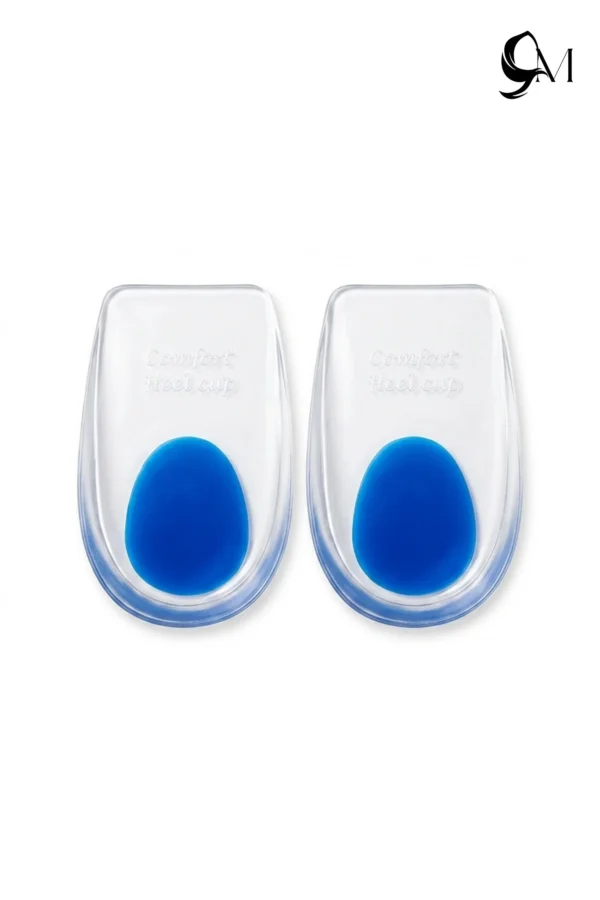
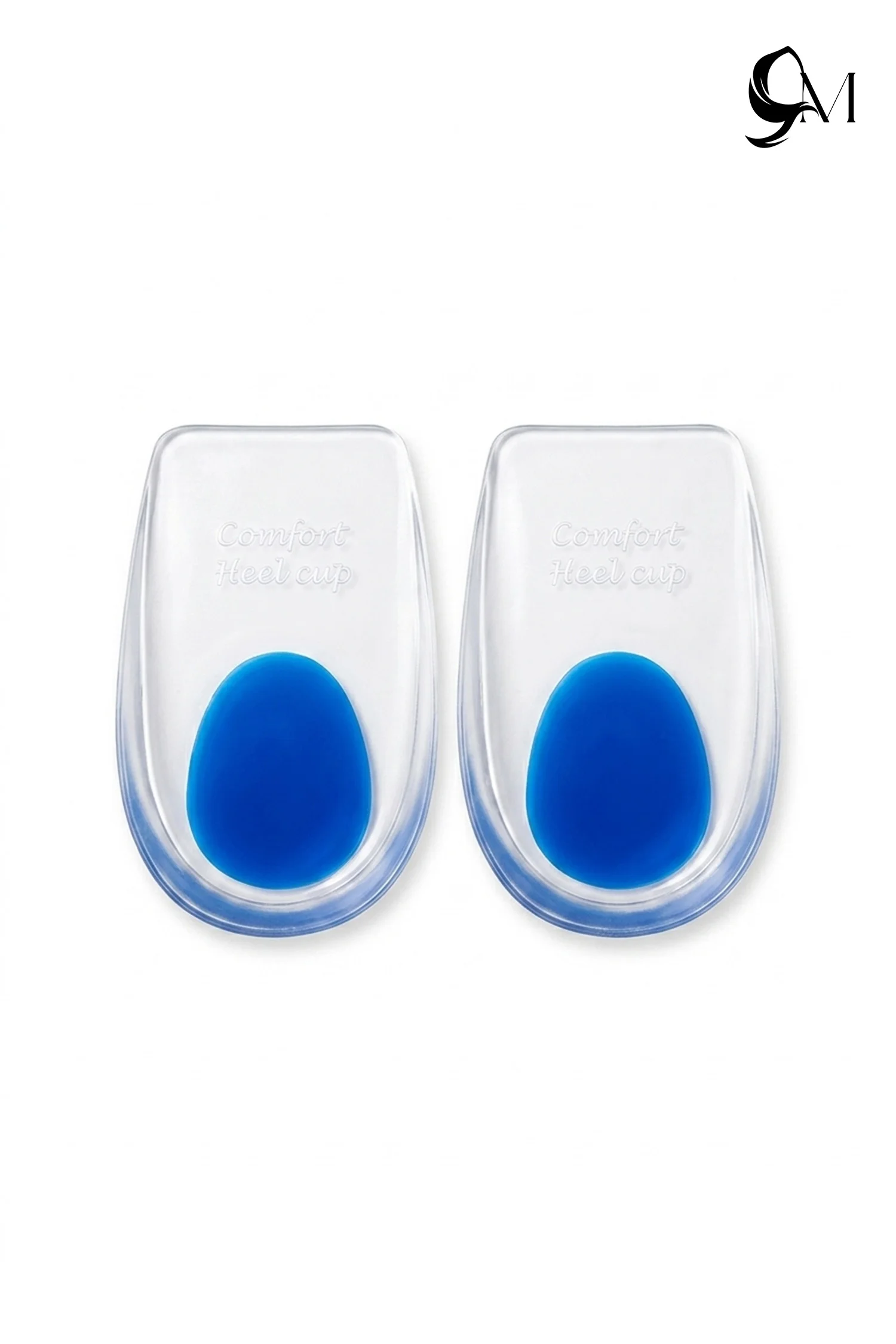
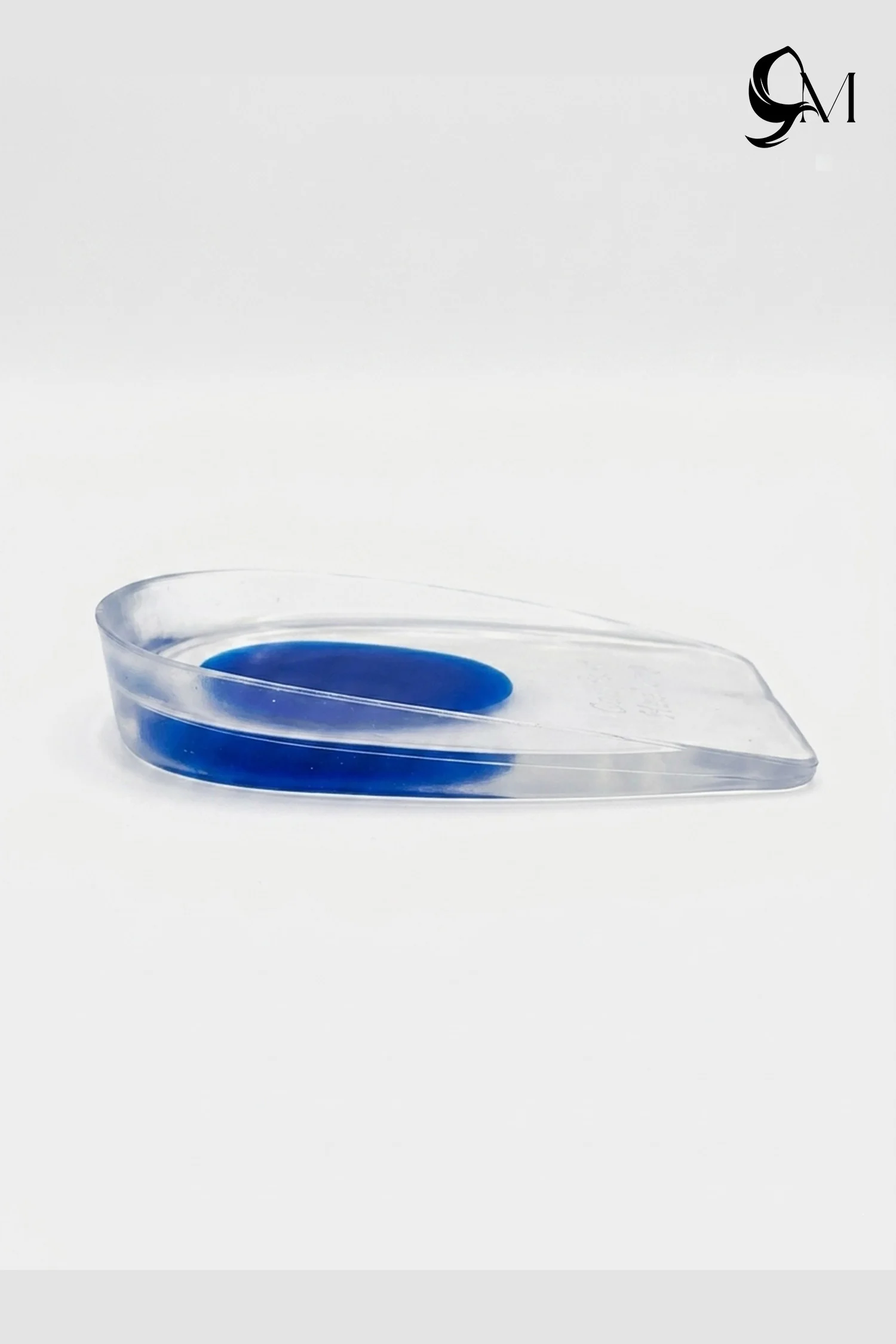
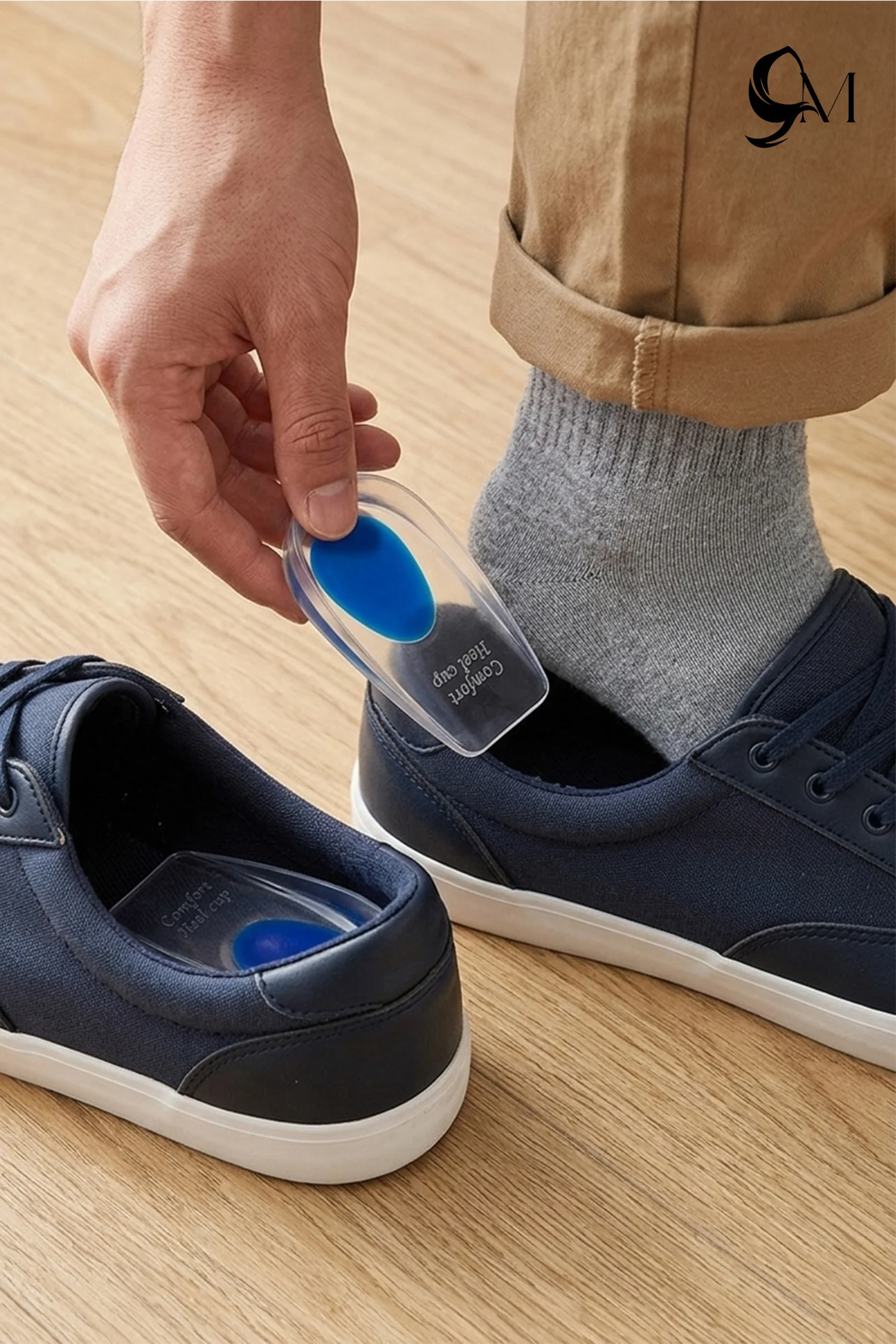
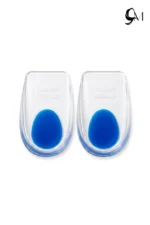
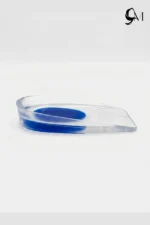
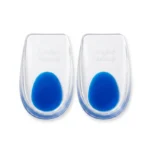
These silicone heel pads are made from medical-grade silicone gel that compresses with each step and springs back instantly, absorbing the shock before it travels up through your ankle, knee, and lower back. The contoured heel cup design cradles the natural curve of your heel and stays in place inside your shoe without any adhesive, while the raised nodule texture on the inner surface gently improves blood circulation throughout the day. For anyone dealing with silicone heel pad for plantar fasciitis discomfort or a diagnosed heel spur, the centre-hole variant removes direct pressure from the most painful point exactly where it matters most.
Insoles for Heel Pain Recommended by Pakistani Physiotherapists
Picture finishing a full working day, a long Hajj or Umrah ritual, or an evening walk without that familiar burning soreness under your heel reminding you that your feet need attention. These silicone gel heel cups sit invisibly inside most closed shoes without changing the fit, are washable and reusable for six to twelve months with basic care, and are affordable enough to keep a spare pair in your office shoes and your everyday footwear at the same time. As heel support insoles go, Pakistani physiotherapists and orthopaedic clinics in Lahore, Karachi, and Islamabad now routinely recommend this as a first-line conservative treatment before any further medical intervention is considered. The transparent design makes them completely invisible inside shoes, the latex-free silicone is safe for all-day skin contact, and one pair works for both men and women in standard adult sizes. Whether you need insoles for heels after an injury, during recovery, or simply because your floors at home are unforgiving marble or ceramic tile, these deliver real, noticeable relief from the very first wear.
Silicone Heel Pad Price in Pakistan
The current price of silicone insoles for heels is 899rs. It is important to note that this price may vary based on several external factors, such as changes in manufacturing costs, market demand, and economic conditions. This means that fluctuations in these factors could lead to an increase or decrease in the price of the foot heel pad over time. Order your silicon heel pad from Munawer.Pk today, with Cash on Delivery and fast delivery across Pakistan. Your heels carry you everywhere — give them the support they deserve.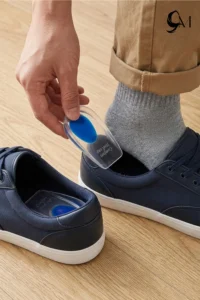
Silicone Heel Pad in Pakistan: Specifications That Justify the Purchase
Why These are the Best Insoles for Heel Pain: Works for Plantar Fasciitis, Heel Spurs and Daily Standing in Pakistan
📌 FEATURE BULLETS:
- Medical-grade silicone gel construction → this silicone heel cushion pad absorbs and disperses impact shock before it reaches the heel bone, ankle, knee, and lower back with each step
- Size: Free Strandrad size for adults
- Gender: Not gender specific, silicone heel pad for men and silicone heel pad for women
- 8 to 10mm centre thickness → provides meaningful cushioning on Pakistan’s hard marble, ceramic tile, and concrete floors without making closed shoes feel uncomfortably tight
- Contoured heel cup shape with raised side walls → cradles the natural curve of the heel and prevents sideways slipping inside the shoe during walking or prolonged standing
- Centre-hole variant available → this silicone heel pad for calcaneal spur removes direct pressure from the bony growth point, the most praised feature among diagnosed heel spur sufferers
- Raised nodule texture on inner surface → delivers a gentle massaging effect with each step, improving blood circulation in the heel area during 6 to 12 hour standing shifts
- Anti-slip flat base grips shoe interior without adhesive → stays positioned correctly under the heel bone throughout the day without bunching or sliding forward
- Latex-free, skin-friendly medical silicone → safe for all-day direct skin contact, suitable for people with latex sensitivities and all skin types including elderly users with thinner skin
- Washable with mild soap and lukewarm water → reusable for 6 to 12 months with proper care, making per-day cost significantly lower than foam alternatives that compress permanently within weeks
- Approximately 20 to 35 grams per pair → these gel heel pads for shoes add no noticeable weight and remain transparent inside most closed shoes with no change to external appearance
- Suitable for teachers, security guards, factory workers, nurses, and Hajj pilgrims → any situation requiring extended walking or standing on hard surfaces where targeted heel support insoles are needed without changing footwear
Munawer.Pk stocks the medical-grade silicone variant with the centre-hole design option clearly identified, addressing the most critical buying decision Pakistani physiotherapists flag, which is choosing the correct variant for heel spur versus general plantar fasciitis relief before purchase.
Silicone Heel Pad Questions Pakistani Buyers Ask Honestly
Q: Will this actually reduce heel pain, or is it just a temporary comfort fix?
A: It provides real, meaningful relief for most people with heel pain from prolonged standing, plantar fasciitis, and heel spurs, but it is a management tool rather than a cure. The medical-grade silicone gel absorbs and disperses the shock from each step before it reaches the heel bone, which directly reduces the pain caused by impact on hard floors. Pakistani physiotherapists and orthopaedic doctors commonly recommend silicone heel pads as a first-line conservative step before considering physiotherapy or medical intervention. For severe or chronic heel pain that has not improved after a few weeks of use, a proper clinical assessment is worth pursuing alongside the pad.
Q: Which variant should I choose — the regular heel pad or the one with the centre hole?
A: If you have a diagnosed heel spur, choose the centre-hole variant specifically. The hole removes direct pressure from the bony growth at the base of your heel, which is the point that hurts most when you stand and walk. For general heel pain from prolonged standing, plantar fasciitis, or cushioning loss in older feet, the standard cup without a hole provides better all-around shock absorption across the full heel surface. If you are unsure which applies to you, a brief consultation with a physiotherapist or general physician will clarify whether you have a spur or a soft tissue issue.
Q: Will this fit in my regular shoes without making them feel too tight?
A: Yes, this is a flexible standard size for adults. Most closed shoes, sports shoes, and formal shoes have enough room to accommodate it comfortably.
Q: Pakistan’s floors are mostly marble and ceramic tiles. Does that make heel pain worse, and will this help?
A: Yes, standing or walking too long on hard marble and ceramic tile floors is one of the biggest contributors to heel pain in Pakistani households and workplaces, precisely because they offer zero shock absorption. Every step sends the full impact force directly through your heel bone up to your ankle, knee, and lower back. A heel cup insole placed inside your shoe absorbs and disperses that impact before it reaches the heel, which is why people who stand on hard floors at home, in schools, in shops, or in mazdori notice the most immediate difference from using one.
Q: I have been standing during Hajj and Umrah for many hours daily and my heels are painful. Will this help?
A: Yes, and this is one of the most common practical uses for silicone heel pads among Pakistani pilgrims. Tawaf, Sa’i, and extended standing during outdoor rituals involve many hours of walking on hard stone and marble surfaces that are unforgiving on heels. Wearing a heel pad inside your closed shoes or sandals with a back strap during pilgrimage absorbs the repetitive impact that accumulates into significant heel soreness over days. Pack them in your Hajj travel kit alongside other foot care essentials.
Q: How long will one pair actually last before it stops working?
A: A quality medical-grade silicone pair lasts 6 to 12 months of regular daily use before the gel loses its spring and starts feeling flat. The main warning sign is when the pad feels noticeably harder underfoot and no longer cushions your step the way it did initially. Also, clean the pads monthly with mild soap and lukewarm water, air dry fully, and store flat when not in use to extend their lifespan.
Q: Can I use these in my slippers at home since I stand in the kitchen for long periods?
A: Only if your slippers have a heel strap at the back. In open-back slippers, which are the most common type worn at home in Pakistan, the heel pad has nothing to anchor against and will slide forward out of position within a few steps. For kitchen standing relief, using the heel pad inside a closed shoe or sandal with a back strap works effectively. Alternatively, switching to a cushioned slipper is also very beneficial.
Q: What is a silicone gel heel pad and what is it designed for?
A: A silicone gel heel pad is a small, cushioned insert made from medical-grade silicone that sits inside your shoe directly under the heel. It’s designed to absorb the shock that travels through your foot with every step, reducing the impact that reaches your heel bone, joints, and lower back. Unlike foam or rubber inserts, silicone has a unique ability to mimic the natural cushioning properties of the fat pad under your heel — which thins out with age, weight gain, or prolonged standing — making it one of the most effective materials for heel comfort and pain relief available today.
Q: What are the main uses of a silicone gel heel pad in daily life?
A: Silicone heel pads serve several practical purposes in everyday life:
- Providing cushioning and comfort for people who stand or walk for long periods at work
- Reducing heel and foot pain associated with conditions like plantar fasciitis, heel spurs, and Achilles tendonitis
- Adding comfort inside hard or flat-soled shoes, formal footwear, and high heels that offer little natural cushioning
- Supporting recovery after foot or heel injuries
- Preventing blisters and friction on the back of the heel inside new or tight shoes
- Reducing fatigue in the feet, knees, and lower back for athletes, teachers, healthcare workers, and anyone on their feet all day
- Providing extra shock absorption for runners and sportspeople during high-impact activity
Q: What are the key benefits of using a silicone gel heel pad regularly?
A: Regular use offers meaningful, cumulative benefits:
- Shock absorption — silicone disperses impact energy across the heel rather than concentrating it on one point, significantly reducing joint stress
- Pain relief — directly addresses heel pain from plantar fasciitis, heel spurs, and general overuse
- Improved posture — proper heel cushioning encourages better foot alignment, which positively affects knee, hip, and lower back posture
- Fatigue reduction — less impact means less muscle fatigue by the end of a long day
- Blister prevention — the soft silicone surface reduces friction between the heel and shoe lining
- Versatility — fits into most shoe types including formal shoes, sneakers, sandals, and sports shoes
- Reusability — high-quality silicone pads are washable and last for months with proper care
- Non-invasive relief — provides real comfort without medication or medical procedures
Q: What conditions or foot problems can silicone heel pads help with?
A: Silicone heel pads are particularly beneficial for:
- Plantar fasciitis — the most common cause of heel pain, caused by inflammation of the tissue band running along the bottom of the foot
- Heel spurs — bony growths on the heel bone that cause sharp, stabbing pain with each step
- Achilles tendonitis — inflammation of the Achilles tendon where it connects to the heel bone; a slight heel lift from the pad reduces tendon tension
- Fat pad atrophy — natural thinning of the heel’s protective fat pad that comes with age
- Bursitis — inflammation of the fluid-filled sac beneath the heel
- General heel pain from prolonged standing on hard surfaces — very common among teachers, doctors, factory workers, and retail staff in Pakistan
- Shin splints — by reducing impact at the heel, less shock travels up the leg
- Lower back pain related to poor foot shock absorption and misaligned gait
Q: How does a silicone heel pad benefit people who stand or walk for long hours?
A: For people who spend most of their working day on their feet — a reality for millions of Pakistanis working in fields, factories, hospitals, schools, and retail — the cumulative impact on the heel can be enormous. Every step sends a force of one to one-and-a-half times your body weight through your heel. Over eight or ten hours, that adds up to thousands of heel strikes. A silicone gel pad absorbs a significant portion of that repeated impact, reducing the stress transmitted to the heel bone, ankle joint, knee, and lower back. Users typically report noticeably less foot fatigue, reduced end-of-day heel soreness, and improved ability to stay on their feet comfortably for longer periods.
Q: In what situations is a silicone heel pad most recommended for use?
A: Silicone heel pads are especially recommended when:
- You’ve been diagnosed with plantar fasciitis, heel spurs, or Achilles tendonitis
- You stand on hard floors (concrete, tiles, or marble) for most of your working day
- You wear formal shoes, dress shoes, or high heels that have little to no built-in cushioning
- You’ve recently increased your physical activity level — running, walking, or sport — and are experiencing new heel discomfort
- You’re recovering from a heel or foot injury and need additional support during the healing phase
- You’re an older adult whose natural heel fat pad has thinned with age
- You’re overweight and experience increased pressure on the heel joints
- You’re breaking in new shoes that are causing heel pain or blisters
- You want to increase height
Q: How do you use a silicone gel heel pad correctly for maximum comfort?
A: Correct placement and fit make a significant difference to how effective a heel pad is:
- Clean and dry your foot before inserting the pad — and make sure your shoe interior is also clean
- Place the pad inside your shoe with the cupped or concave side facing upward to cradle your heel
- Position it at the very back of the shoe so your heel sits centered within the pad’s cup — not shifted forward or to one side
- Put your foot in and check that the pad doesn’t slip around; a good silicone pad will grip the shoe lining and your foot’s skin naturally
- Wear with socks where possible — this improves grip, reduces slipping, and extends the pad’s lifespan
- Check fit after a few minutes of walking — the pad should feel immediately comfortable with no bunching or shifting. If it feels too thick or alters your shoe fit uncomfortably, a thinner profile pad may suit you better
Q: What do users commonly say in their reviews about silicone gel heel pads?
A: Across Pakistani online platforms and globally, the most consistent feedback from users includes:
- Immediate noticeable reduction in heel pain from the very first use
- Significant relief specifically for plantar fasciitis sufferers — often described as a game-changer for morning heel pain
- Healthcare workers, teachers, and others on their feet all day report dramatically less foot fatigue by end of shift
- Some users mention that cheaper, non-medical-grade silicone pads harden or lose their cushioning within a few weeks
- High-quality pads are praised for lasting several months with proper care
- A common complaint is that thick pads can make shoes feel tight — users recommend sizing up shoes slightly or choosing slim-profile pads for formal footwear
- Women using them in heels report genuine comfort improvement and reduced ball-of-foot and heel pressure
- Users with Achilles tendonitis specifically praise the slight heel elevation that relieves tendon tension
Q: What are the best silicone heel pads for foot pain relief available in Pakistan?
A: Some of the most accessible and well-regarded options include:
- Locally available orthopedic heel pads — sold at orthopedic supply shops in major cities, often recommended by physiotherapists for specific conditions
Q: Where can I buy silicone heel pads online in Pakistan?
A: Munawer.pk has the good selection with nationwide delivery — search “silicone heel pad” or “gel heel cup” to find multiple options across price ranges.
Q: Which silicone heel pads work best for plantar fasciitis relief?
A: Plantar fasciitis requires a heel pad with a deep heel cup design — this cradles and slightly compresses the heel’s fat pad to better distribute pressure, which is the key mechanism for plantar fasciitis relief. Look for pads with a firm outer rim and softer central cushion, as this combination provides both support and shock absorption. Shoe insoles for heels are specifically engineered for plantar fasciitis and is considered one of the best globally. The heel elevation provided by a slightly raised pad also reduces the stretch on the plantar fascia with each step, directly addressing the source of the pain.
Q: How do you choose the right silicone heel pad for your needs?
A: The right choice depends on your specific situation:
- For plantar fasciitis or heel spurs — choose a deep-cup silicone pad with firm edges for maximum support
- For general daily comfort — a flat, slim-profile gel pad works well and fits most shoe types without altering fit
- For high heels — look for small, targeted heel grips or thin gel pads designed specifically for heeled footwear
- For sports and running — choose a thicker, high-density silicone pad with strong shock-absorbing properties
- For Achilles tendonitis — a slightly elevated heel pad (with a raised back section) reduces tendon strain
- For formal or dress shoes — slim, transparent silicone pads that are invisible inside the shoe are available and work without affecting shoe appearance
- For older adults — thicker, softer pads that compensate for natural fat pad thinning are the most beneficial choice
Q: Are silicone heel pads suitable for use in high heels?
A: Yes — and they’re one of the most practical solutions for the heel pain and discomfort that high heels cause. High heels concentrate the entire body’s weight onto a small heel point and the ball of the foot, creating significant pressure and pain with prolonged wear. A slim, targeted silicone heel grip or pad placed inside the back of the heel cup of a high heel shoe reduces this pressure, prevents the foot from sliding forward, and decreases friction that causes blisters. There are also specific full-sole gel insoles for high heels that address ball-of-foot pain simultaneously. For Pakistani women who wear heels to weddings, formal occasions, or work, a good silicone heel pad transforms the experience significantly.
Q: How durable are silicone heel pads compared to gel inserts?
A: Medical-grade silicone heel pads generally outlast standard gel inserts significantly. Gel inserts — particularly cheaper foam-gel hybrids — tend to compress permanently within a few weeks of regular use, losing their cushioning properties. Silicone, especially higher-density medical-grade silicone, maintains its shape, elasticity, and cushioning properties for several months even with daily use. The key factors affecting durability are the grade of silicone used, the thickness of the pad, and how well it’s maintained. A quality silicone pad used daily and properly cleaned should last 6 to 12 months before needing replacement.
Q: How do you clean and maintain silicone gel heel pads properly?
A: Maintaining your silicone heel pads properly significantly extends their lifespan and keeps them hygienic:
- Remove the pads from your shoes after each use to allow both the pad and shoe to air dry
- Rinse with lukewarm water and a small amount of mild soap or fragrance free hand wash — avoid harsh detergents or bleach which can degrade the silicone
- Gently scrub with a soft brush or cloth to remove sweat, dead skin, and any odor-causing buildup
- Rinse thoroughly to remove all soap residue
- Air dry completely before placing back in shoes — never use a hairdryer or direct heat, as high temperatures can warp or harden the silicone
- Store flat in a clean, dry place when not in use
- Inspect regularly for cracks, hardening, or loss of cushioning — these are signs the pad needs replacing
Q: Where can I find affordable silicone heel pads in Lahore?
A: In Lahore, orthopedic supply shops in local pharmacy branches across Lahore carry some heel pad options.
Q: What are the delivery options for silicone heel pads in Karachi?
A: Visit a local credible pharmacy
Q: Do silicone heel cups help with Achilles tendonitis?
A: Yes — and they’re one of the first non-invasive interventions physiotherapists recommend for Achilles tendonitis. The Achilles tendon is under the greatest strain when the heel is flat or lower than the toes, which is the position your foot is in while wearing flat shoes. A heel lift — which is exactly what a silicone heel cup provides — reduces the angle of stretch on the Achilles tendon with every step, directly decreasing the tension and inflammation at the tendon’s insertion point on the heel bone. Even a modest elevation of 6 to 10mm makes a measurable difference in tendon stress. Pair the heel pad with Achilles stretching exercises recommended by a physiotherapist for the most effective recovery outcome.
Q: How do gel heel pads compare to silicone heel pads?
A: The terms are often used interchangeably in the market, which creates confusion. Here’s the honest comparison:
Gel Heel Pads:
- Usually made from a polyurethane or polymer gel compound
- Softer initial feel, very comfortable at first use
- Tend to compress and lose cushioning faster — often within weeks of regular use
- Generally less expensive
- Can feel sticky against bare skin without socks
Silicone Heel Pads:
- Made from true silicone polymer — more durable and resilient
- Maintains cushioning properties significantly longer
- Better shock absorption for high-impact use
- More resistant to temperature changes, sweat, and compression
- Medical-grade silicone options are specifically tested for prolonged skin contact safety
- Slightly firmer feel than gel but provides more consistent long-term support
For everyday casual use, gel pads are fine. For managing a specific condition, athletic use, or if you want something that lasts, medical-grade silicone is the better investment.
Q: What materials are used in high-quality heel shock absorbers?
A: The best heel shock absorbers use one or more of the following materials:
- Medical-grade silicone — the gold standard for durability, skin safety, and consistent cushioning
- Thermoplastic Elastomer (TPE) — a flexible, rubber-like polymer used in mid-range products
- Polyurethane gel — soft and comfortable but less durable than silicone
- EVA foam (Ethylene Vinyl Acetate) — lightweight, used in running insoles, less durable than silicone
- Viscoelastic polymer — a memory foam-like material that molds to foot shape; used in premium orthopedic products
- Natural rubber — used in some eco-friendly options; good cushioning but less durable in heat (relevant for Pakistan’s summers)
For a product that will be used daily in Pakistan’s climate — which can be harsh on materials in summer heat — medical-grade silicone consistently outperforms alternatives in both durability and sustained effectiveness.
Q: How do you properly place silicone heel inserts in athletic shoes?
A: Athletic shoes have a few specific considerations compared to regular footwear:
- Remove the existing insole if it’s removable — this prevents the shoe from becoming too tight with the added layer of the heel pad
- Place the silicone heel pad directly on the shoe’s base, cupped side up, aligned with the heel counter
- Replace the original insole on top if the fit allows, or use the heel pad alone if the shoe is snug
- Lace up and test — walk and jog a few steps to check that the pad isn’t shifting and that your heel sits securely centered
- For running shoes specifically — ensure the pad doesn’t push your heel up enough to cause your foot to slip forward during a stride, which can cause toe box pressure and black toenails
- Wear moisture-wicking socks alongside silicone heel pads during athletic use — this reduces slipping and keeps the pad cleaner
Q: What are the common causes of heel pain and how can silicone pads help?
A: Heel pain is one of the most common musculoskeletal complaints in Pakistan, affecting everyone from factory workers and farmers to office professionals and athletes. Common causes include:
- Plantar fasciitis — micro-tears in the plantar fascia from overuse or inadequate footwear; silicone pads cushion and offload the inflamed tissue
- Heel spurs — calcium deposits on the heel bone; pads reduce direct pressure on the spur
- Achilles tendonitis — heel elevation from the pad reduces tendon tension
- Fat pad syndrome — natural age-related thinning of heel cushioning; silicone replaces what’s been lost
- Prolonged hard surface standing — daily cumulative impact on marble and concrete floors common in Pakistani homes and workplaces; pads absorb this repetitive stress
- Poor footwear — flat chappals and thin-soled shoes (extremely common daily wear in Pakistan) offer no cushioning; heel pads compensate for this gap
- Sudden increase in activity — Hajj and Umrah pilgrims, for example, walk far more than usual on hard marble surfaces; heel pads are essential preparation
Q: Are there return policies for online silicone heel pad purchases in Pakistan?
A:You can request a return within 7 days from the date of delivery. To be eligible for a return, your item must be in the same condition that you received it, unworn or unused, with tags, and in its original packaging. You’ll also need the receipt or proof of purchase. We recommend creating a video that showcases the unboxing of the product and provides an initial review.
Q: Can a silicone gel heel pad help relieve the pain caused by plantar fasciitis?
A: Yes — and it’s one of the most commonly recommended non-invasive tools for plantar fasciitis management. Plantar fasciitis causes sharp, stabbing heel pain — typically worst with the first steps in the morning — due to inflammation of the plantar fascia, the thick band of tissue connecting the heel bone to the toes. A silicone gel heel pad helps in two specific ways: first, it cushions the heel and absorbs the impact that would otherwise aggravate the inflamed tissue with every step; second, a deep-cup design gently compresses and supports the heel’s natural fat pad, improving load distribution across the entire heel rather than concentrating pressure on the most painful point. Most plantar fasciitis sufferers report noticeable pain reduction within the first few days of consistent use. For best results, combine the heel pad with morning calf stretches and avoid walking barefoot on hard floors — a very common habit in Pakistani households that significantly worsens plantar fasciitis symptoms.
Q: Is a silicone heel pad effective for managing pain from a calcaneal spur?
A: A calcaneal spur — also called a heel spur — is a bony calcium deposit that forms on the underside or back of the heel bone, often as a result of long-term plantar fasciitis or repetitive strain. The spur itself may not always cause pain, but when it does, the pain can be intense and debilitating with every step. A silicone heel pad helps by creating a protective cushion layer between the spur and the ground, reducing the direct pressure on the bony protrusion. Some specialized heel pads have a central cutout or donut-shaped depression directly under the most painful pressure point — this offloads the spur entirely while the surrounding silicone still provides support. This design is specifically worth looking for if you’ve been diagnosed with a calcaneal spur. While a heel pad won’t dissolve or remove the spur, it can make daily walking significantly more comfortable and reduce the inflammation around the affected area.
Q: Can silicone heel pads help treat or prevent cracked heels?
A: Silicone heel pads help with cracked heels in an indirect but meaningful way. Cracked heels — medically called heel fissures — develop when the skin around the heel becomes excessively dry, thickened, and then splits under the pressure and friction of walking. A silicone heel pad reduces the mechanical pressure and friction on the heel skin with each step, which slows the formation of new hard skin and prevents existing cracks from deepening or worsening. It also holds the heel in a slightly cupped position, which reduces the lateral spread of the fat pad that causes the skin at the edges to crack. However, for active cracked heels, the pad works best as part of a combined approach — use a silicone gel heel pad socks + fragrance-free moisturizing heel cream or petroleum jelly applied nightly, wear cotton socks to lock in moisture, and use the silicone pad during the day to protect the healing skin from further pressure damage.
Q: How does a silicone gel heel pad help in reducing heel pain?
A: Silicone gel heel pads reduce heel pain through three primary mechanisms working together. First, shock absorption — the silicone material compresses slightly with each step and absorbs the impact energy before it reaches the heel bone and surrounding tissues, similar to how a car’s suspension absorbs road bumps. Second, pressure redistribution — instead of your full body weight landing on one concentrated heel point, the pad spreads that load across a wider surface area, dramatically reducing peak pressure at the most painful spot. Third, heel stabilization — the cupped shape holds the heel’s natural fat pad in position rather than allowing it to splay outward, which is what happens when this fat pad thins or weakens. Together, these three effects mean less pain, less inflammation, and more comfortable movement throughout the day.
Q: Is a silicone pad an effective solution for chronic heel pain relief?
A: For chronic heel pain — pain that has persisted for weeks or months — a silicone heel pad is an effective part of the management plan, though it works best as one component of a broader approach rather than a standalone cure. Chronic heel pain often involves a combination of structural issues, inflammation, and compensatory movement patterns that develop over time. A silicone pad provides consistent daily relief by reducing impact and pressure, which prevents the condition from worsening while other treatments — stretching, physiotherapy, weight management, or medical treatment — address the underlying cause. Many people with chronic plantar fasciitis or fat pad syndrome use silicone heel pads indefinitely as a long-term management tool rather than a temporary fix, and find them effective for maintaining comfortable daily function.
Q: What are the best insoles recommended for people suffering from heel pain?
A: The best insoles for heel pain depend on the specific cause, but some consistently top-recommended options include:
- Deep-cup silicone heel cups — best for plantar fasciitis and heel spurs; the cupped design provides targeted support exactly where it’s needed
- Full-length orthopedic insoles with arch support — address heel pain caused by flat feet or overpronation by correcting foot alignment from arch to heel.
- Viscoelastic polymer insoles — memory foam-like material that molds to foot shape; good for general chronic heel pain
- Heavy Duty Heel Cups — specifically engineered for plantar fasciitis with a multi-cell silicone design that mimics the natural heel fat pad
- Custom orthotic insoles — prescribed by a podiatrist or orthopedic specialist for complex cases; the most effective but also the most expensive option
In Pakistan, Mediplus is orderable online, while generic deep-cup silicone insoles are available on Munawer.PK provides good results at a fraction of the cost for mild to moderate heel pain.
Q: What type of insoles work best for long-term heel pain management?
A: For long-term management — meaning months to years of consistent use — the ideal insole combines arch support with heel cushioning in a durable material that won’t compress permanently. Full-length orthopedic insoles with a firm arch support shell and silicone or gel heel cushion are the most effective long-term option because they address both the symptom (heel pain) and a common contributing factor (poor arch support and foot alignment). Pure silicone heel cups alone are excellent for short-to-medium-term relief. For truly long-term management, especially in cases of plantar fasciitis or structural foot problems, custom orthotics from a podiatrist provide the most precisely targeted and durable solution — though these are currently more accessible in major Pakistani cities like Karachi, Lahore, and Islamabad through orthopedic clinics and physiotherapy centers.
Q: What is an orthopedic silicone heel pad and who is it recommended for?
A: An orthopedic silicone heel pad is a medically designed heel insert made from medical-grade silicone, specifically engineered to address foot and heel conditions rather than simply add general comfort. The distinction from a regular heel pad lies in its design precision — orthopedic versions feature anatomically correct cupping, calculated thickness for therapeutic heel elevation, and silicone density chosen to match specific clinical requirements. They are recommended for:
- People diagnosed with plantar fasciitis, heel spurs, or Achilles tendonitis
- Older adults experiencing fat pad atrophy
- People recovering from heel or ankle injuries
- Individuals with flat feet or overpronation that causes heel pain
- Healthcare workers, teachers, and others with occupationally-driven chronic heel pain
- Diabetic patients who need protective heel cushioning to prevent pressure sores
- Anyone referred by a physiotherapist or orthopedic specialist for conservative heel pain management
Q: Can silicone heel pads be used to add height inside your shoes?
A: Yes — silicone heel pads do add a slight amount of height as a secondary effect of their primary cushioning function. This makes them a practical dual-purpose option for people who want both comfort and a subtle height increase without obvious elevator shoes. The height gain is modest and natural-looking compared to dedicated height-increasing insoles.
Q: How much height can a silicone heel pad add when placed inside footwear?
A: Standard silicone heel cushion pads typically add 6mm to 10mm (roughly half an inch to just under an inch) of height. Thicker orthopedic heel lift insoles designed specifically for height increase or Achilles tendon relief can add up to 15mm to 20mm (about 1.5 to 2cm). It’s worth noting that adding too much height in a shoe not designed for it can alter your gait and potentially create new discomfort in the knee or lower back. A gradual approach — starting with a modest 6 to 8mm lift — allows your body to adjust comfortably. If your primary goal is height increase rather than pain relief, dedicated heel lift insoles with a structured design are a better choice than standard cushion pads.
Q: Are silicone heel pads designed to fit comfortably in men’s footwear?
A: Yes — silicone heel pads are available in sizes and profiles that fit comfortably in men’s footwear including dress shoes, sneakers, work boots, and sports shoes. Most pads come in size ranges or are trimmable to fit any shoe size. Men’s formal shoes — particularly the thin-soled leather dress shoes commonly worn in Pakistani offices and at formal occasions — benefit enormously from a slim-profile silicone heel pad that adds cushioning without making the shoe feel too tight. For men’s work boots or safety shoes worn on construction sites or factories — very common in Pakistan — a thicker, high-density silicone pad provides essential shock absorption during long hours on hard surfaces.
Q: Are silicone heel pads compatible with all types of shoes?
A: They work with the vast majority of shoe types, but compatibility depends on the pad’s size and profile. Standard silicone heel pads fit well in:
- Sneakers and athletic shoes
- Formal dress shoes and Oxford shoes
- Work boots and safety footwear
- Women’s court shoes and block heels
- School shoes and daily-wear shoes
They work less effectively in:
- Very flat, thin-soled chappals or flip-flops with no heel counter — the pad has nothing to grip onto and slides around
- Very pointed or narrow toe-box shoes where adding any thickness makes the fit uncomfortably tight
- Open-back sandals unless the pad has a strong adhesive backing to hold it in place
For Pakistan’s extremely common daily footwear — rubber chappals and flat sandals — a silicone heel spur sandal (a sandal with the heel pad built in) or a pad with a strong self-adhesive backing is the more practical solution.
Q: Can silicone heel pads be used inside slippers for added comfort?
A: Yes, with one important consideration — the heel pad needs to stay in place. Standard slippers and chappals have no heel counter (the back wall of a shoe that holds the heel in position), so a pad without adhesive will shift around during walking. Look specifically for silicone heel pads with a self-adhesive backing for use in slippers — these stick directly to the footbed of the slipper and remain positioned correctly. Alternatively, full-length silicone insoles that cover the entire inner surface of the slipper are more stable than heel-only pads in open footwear. For Pakistani households where people spend significant time in flat house chappals on hard marble or tile floors — a very common source of heel pain — adding a silicone pad to indoor slippers is a simple and effective comfort improvement.
Q: What is a heel cup insole and how is it different from a standard heel pad?
A: A heel cup is a three-dimensional, bowl-shaped insert that cradles the entire heel — sides, back, and bottom — rather than just sitting flat under it. This cupped shape actively compresses and holds the heel’s fat pad in its natural position beneath the heel bone, preventing the lateral splaying that reduces natural cushioning. A standard heel pad is flatter and primarily provides cushioning under the heel without the structural support of raised sides. The heel cup is generally more effective for specific conditions like plantar fasciitis, heel spurs, and fat pad atrophy because it addresses both cushioning and structural support simultaneously. Standard flat pads are better for general comfort improvement in shoes where the heel cup’s raised sides would create too much bulk. For Pakistani patients dealing with diagnosed heel conditions, an orthopedic silicone heel cup is almost always the more therapeutically effective choice over a flat pad.
Q: How do silicone gel heel cups provide better support compared to regular insoles?
A: A silicone gel heel cup outperforms a regular flat insole for heel-specific issues in three important ways. First, the cupped geometry actively supports and contains the heel fat pad — regular insoles don’t do this and allow the fat pad to spread outward, reducing its natural cushioning effect. Second, silicone’s energy-return properties mean it compresses under load and then rebounds, returning energy to the foot rather than simply absorbing it passively the way foam insoles do. Third, heel cups provide targeted thickness exactly where it’s needed — under and around the heel — without adding unnecessary bulk across the rest of the shoe. Regular full-length insoles are better for arch support and overall foot alignment, while silicone heel cups are superior for heel-specific cushioning, shock absorption, and fat pad support. Many people use both together — a full-length arch support insole with a silicone heel cup on top — for comprehensive foot comfort.
Q: What is the difference between heel support insoles and regular silicone heel pads?
A: Heel support insoles are typically full or three-quarter length insoles that combine arch support with heel cushioning — they address the foot as a structural unit and correct alignment from the arch through the heel. They’re made from a combination of materials — usually a semi-rigid shell for structure and a cushioning layer for comfort. Regular silicone heel pads are smaller, heel-only inserts focused purely on cushioning and shock absorption at the heel point. They don’t correct foot alignment or address arch issues. The choice between them depends on your needs: if your heel pain stems from flat feet, overpronation, or alignment issues, heel support insoles are the more appropriate solution. If your pain is primarily from impact, fat pad thinning, or a localized heel condition, silicone heel pads are the more targeted and sufficient option.
Q: What are heel lift insoles and when should you use them over standard heel pads?
A: Heel lift insoles are specifically designed to elevate the heel by a measured amount — typically 6mm to 20mm — as their primary function, with cushioning as a secondary benefit. They are distinct from standard cushion heel pads, which prioritize shock absorption and comfort with elevation being a side effect rather than the goal. You should choose heel lift insoles over standard pads when:
- You have Achilles tendonitis — elevating the heel reduces the stretch and tension on the Achilles tendon, directly addressing the pain source
- You have a leg length discrepancy — even a few millimeters of difference can cause significant hip, back, and knee pain; a heel lift on the shorter leg corrects this imbalance
- You are recovering from calf or Achilles injuries and need to reduce tendon load during rehabilitation
- A physiotherapist or orthopedic specialist has specifically prescribed a measured heel elevation as part of your treatment plan
- You want a modest, natural-looking height increase inside regular footwear without the bulk of elevator shoes
For general heel pain, plantar fasciitis, and everyday comfort, a standard silicone heel cup or cushion pad is usually the more appropriate and sufficient choice.
 Silicone Heel Pad – Free Size | Orthopaedic (Doctor) Recommended, No More Heel Pain | Plantar Fasciitis and Daily & HajjUmrah Walking Relief

My wife ordered this for me after seeing similar Dr Ortho silicone heel pad at a pharmacy. This one is comfortable, but it wasn't suitable for my severe heel pain because I probably need custom orthotics. Still feels well made.

Product is okay. Cushioning is nice but I expected slightly more support for my old heel spur. Works better in sports shoes than formal shoes.

Good silicone heel pad overall. Delivery took one extra day, but the product itself works well for heel pain and fits nicely inside sneakers.

Standing in the shop all day was becoming difficult. These silicone gel heel cups really helped with comfort. My knees also feel less tired by evening. Very happy with the purchase.

Used many gel heel pads for shoes before but this one feels more durable. The heel cup design keeps my heel stable and doesn't move around. Great value for money.

Highly recomend! I use it with my work shoes and heel pain is much less now. Will order again.

I was looking for best insoles for heel pain and found these. The silicone gel absorbs shock really well while walking. Comfortable even after 8-9 hours at walk.

Recieved exactly as shown.

Excellent qualiy and very soft. Fits perfectly inside my sports shoes.
Excellent qualiy and very soft. Fits perfectly inside my sports shoes.

I purchased these for my mother who has plantar fasciitis. She was honestly surprised how comfortable they felt from the first day. Much better than the foam pads we tried before. JazakAllah Munawer.Pk. ❤️

Bohat acha product hai.
Bohat acha product hai.

Bought these silicone heel pads for my daily office shoes. Heel pain after standing all day has reduced a lot within a week. and they stay in place. Highly recommended. 😊
Silicon Heel Pad Buyers in Pakistan Trust Munawer.Pk
Trusted source for silicone gel heel pad, gel heel pads for shoes, and heel pain relief in Pakistan
When every step hurts, the last thing you need is a heel pad that goes flat within two weeks. For a product that is supposed to absorb shock all day on hard marble and tile floors, silicone quality is everything, and budget models that lose their spring quickly are one of the most commonly reported disappointments in this category. Whether you are looking for a reliable silicone gel heel pad for plantar fasciitis, cracked heels, or all-day standing at work, Munawer.Pk is the family-run Pakistani store that checks quality before dispatch and stands behind every order with real after-sale support.
| What matters to you | Munawer.Pk | Typical online sellers |
|---|---|---|
| Silicone that stays springy | Medical-grade silicone gel confirmed, 8–10mm cushioning that absorbs and springs back with each step. Not the budget-grade silicone that compresses permanently within weeks. | Cheap gel heel pads losing their cushioning spring within 2–4 weeks of daily use is the single most reported complaint in this category in Pakistan. |
| Right variant for your condition | Standard heel cup for general pain relief and prolonged standing, plus centre-hole variant specifically for heel spur sufferers to relieve direct pressure on the spur point. | The difference between a standard pad and a centre-hole silicone heel pad for calcaneal spur is rarely explained clearly in generic listings. Varies by seller. |
| See it before it ships | Video of your exact silicone gel heel cup recorded before dispatch, showing material flexibility and cushion thickness so you can judge quality before it arrives. | Pre-dispatch video is rarely offered for medical accessories, leaving buyers unable to assess actual silicone quality before delivery. |
| Check before you pay | Open box allowed on Cash on Delivery. Press and flex the silicone yourself to test cushion quality and check size before paying a single rupee. | Most sellers do not allow open box inspection on COD orders. |
| Skin-safe, latex-free material | Medical-grade silicone is latex-free and safe for all-day skin contact, suitable for people with latex sensitivity, eczema, or thin elderly skin. | Material safety, latex-free status, and skin compatibility are rarely specified in generic insoles for heel pain listings. |
| Payment flexibility | Cash on Delivery (COD) available nationwide, with free delivery on your silicone heel pad pakistan order from Munawer.Pk. | COD availability and delivery charges vary by seller, often added at checkout. |
| Help if something goes wrong | 7-day easy returns and exchange policy. We follow Sunnah values of honest, fair trade in every transaction. | Return and exchange policies for medical accessories are inconsistent across the market. Varies by seller. |
| Trusted for Hajj and Umrah | A popular addition to Munawer.Pk Hajj travel kits, pilgrims walking long hours during Tawaf and Sa’i rely on silicone insoles for heels to protect feet in extreme heat on hard surfaces. | Varies by seller. Hajj-relevant foot care accessories with verified material quality are not consistently available or described. |
| Customer satisfaction record | 4.8 stars from 7,481+ verified customers, with foot care and orthopaedic accessories among our most reordered health and wellness products across Pakistan. | Review counts and rating authenticity vary widely across medical accessory sellers online. |
| Who you are buying from | Family-owned Pakistani business with real accountability behind every order, not a faceless generic storefront. | Varies by seller. Many operate without a verifiable business identity or consistent after-sale support. |
Eligibility for Returns:
You can request a return within 7 days from the date of delivery. To be eligible for a return, your item must be in the same condition that you received it, unworn or unused, with tags, and in its original packaging. You’ll also need the receipt or proof of purchase.
We recommend creating a video that showcases the unboxing of the product and provides an initial review.
Refund Process:
Upon approval of your return, we will initiate a refund to your original payment method. It may take a few business days for the funds to reflect in your account.
Return Shipping:
Customers are responsible for return shipping costs unless the return is due to a mistake on our part.
How to Request a Return:
To request a return, please contact our customer support team on WhatsApp at 0341 0738060 or email us at support@munawer.pk We will guide you through the process and provide you with the necessary instructions.
If your return is accepted, we’ll send you a return shipping label, as well as instructions on how and where to send your package. Items sent back to us without first requesting a return will not be accepted.
Damaged or Defective Items or Wrong Product or Never Arrived:
If you receive a damaged or defective item or the wrong product or product that never arrived, please contact us immediately with a video or photos of the product and its packaging. We will work to resolve the issue promptly. REMEMBER: YOU MUST MAKE VIDEO WHILE OPENING A PARCEL.
For more information Click here to visit: Refund and Refund Policy
Silicone Heel Pad — Stop Heel Pain Before It Stops You - Prevention is always better than cure.
Your heels should not hurt by midday. Whether you are a teacher standing on marble floors for six hours, a security guard on hard concrete, a housewife who never really sits down, or a pilgrim walking miles through Makkah's stone pathways during Hajj — that deep, grinding ache in your heel at the end of the day is not something you have to simply accept. It has a simple, affordable fix.
Gel Heel Pads That Absorb Every Step
These silicone heel pads are made from medical-grade silicone gel that compresses with each step and springs back instantly, absorbing the shock before it travels up through your ankle, knee, and lower back. The contoured heel cup design cradles the natural curve of your heel and stays in place inside your shoe without any adhesive, while the raised nodule texture on the inner surface gently improves blood circulation throughout the day. For anyone dealing with silicone heel pad for plantar fasciitis discomfort or a diagnosed heel spur, the centre-hole variant removes direct pressure from the most painful point exactly where it matters most.
Insoles for Heel Pain Recommended by Pakistani Physiotherapists
Picture finishing a full working day, a long Hajj or Umrah ritual, or an evening walk without that familiar burning soreness under your heel reminding you that your feet need attention. These silicone gel heel cups sit invisibly inside most closed shoes without changing the fit, are washable and reusable for six to twelve months with basic care, and are affordable enough to keep a spare pair in your office shoes and your everyday footwear at the same time. As heel support insoles go, Pakistani physiotherapists and orthopaedic clinics in Lahore, Karachi, and Islamabad now routinely recommend this as a first-line conservative treatment before any further medical intervention is considered. The transparent design makes them completely invisible inside shoes, the latex-free silicone is safe for all-day skin contact, and one pair works for both men and women in standard adult sizes. Whether you need insoles for heels after an injury, during recovery, or simply because your floors at home are unforgiving marble or ceramic tile, these deliver real, noticeable relief from the very first wear.
Silicone Heel Pad Price in Pakistan
The current price of silicone insoles for heels is 899rs. It is important to note that this price may vary based on several external factors, such as changes in manufacturing costs, market demand, and economic conditions. This means that fluctuations in these factors could lead to an increase or decrease in the price of the foot heel pad over time. Order your silicon heel pad from Munawer.Pk today, with Cash on Delivery and fast delivery across Pakistan. Your heels carry you everywhere — give them the support they deserve. Silicone Heel Pad in Pakistan: Specifications That Justify the Purchase
Why These are the Best Insoles for Heel Pain: Works for Plantar Fasciitis, Heel Spurs and Daily Standing in Pakistan
📌 FEATURE BULLETS:
- Medical-grade silicone gel construction → this silicone heel cushion pad absorbs and disperses impact shock before it reaches the heel bone, ankle, knee, and lower back with each step
- Size: Free Strandrad size for adults
- Gender: Not gender specific, silicone heel pad for men and silicone heel pad for women
- 8 to 10mm centre thickness → provides meaningful cushioning on Pakistan’s hard marble, ceramic tile, and concrete floors without making closed shoes feel uncomfortably tight
- Contoured heel cup shape with raised side walls → cradles the natural curve of the heel and prevents sideways slipping inside the shoe during walking or prolonged standing
- Centre-hole variant available → this silicone heel pad for calcaneal spur removes direct pressure from the bony growth point, the most praised feature among diagnosed heel spur sufferers
- Raised nodule texture on inner surface → delivers a gentle massaging effect with each step, improving blood circulation in the heel area during 6 to 12 hour standing shifts
- Anti-slip flat base grips shoe interior without adhesive → stays positioned correctly under the heel bone throughout the day without bunching or sliding forward
- Latex-free, skin-friendly medical silicone → safe for all-day direct skin contact, suitable for people with latex sensitivities and all skin types including elderly users with thinner skin
- Washable with mild soap and lukewarm water → reusable for 6 to 12 months with proper care, making per-day cost significantly lower than foam alternatives that compress permanently within weeks
- Approximately 20 to 35 grams per pair → these gel heel pads for shoes add no noticeable weight and remain transparent inside most closed shoes with no change to external appearance
- Suitable for teachers, security guards, factory workers, nurses, and Hajj pilgrims → any situation requiring extended walking or standing on hard surfaces where targeted heel support insoles are needed without changing footwear
Munawer.Pk stocks the medical-grade silicone variant with the centre-hole design option clearly identified, addressing the most critical buying decision Pakistani physiotherapists flag, which is choosing the correct variant for heel spur versus general plantar fasciitis relief before purchase.
Silicon Heel Pad Buyers in Pakistan Trust Munawer.Pk
Trusted source for silicone gel heel pad, gel heel pads for shoes, and heel pain relief in Pakistan
When every step hurts, the last thing you need is a heel pad that goes flat within two weeks. For a product that is supposed to absorb shock all day on hard marble and tile floors, silicone quality is everything, and budget models that lose their spring quickly are one of the most commonly reported disappointments in this category. Whether you are looking for a reliable silicone gel heel pad for plantar fasciitis, cracked heels, or all-day standing at work, Munawer.Pk is the family-run Pakistani store that checks quality before dispatch and stands behind every order with real after-sale support.
| What matters to you | Munawer.Pk | Typical online sellers |
|---|---|---|
| Silicone that stays springy | Medical-grade silicone gel confirmed, 8–10mm cushioning that absorbs and springs back with each step. Not the budget-grade silicone that compresses permanently within weeks. | Cheap gel heel pads losing their cushioning spring within 2–4 weeks of daily use is the single most reported complaint in this category in Pakistan. |
| Right variant for your condition | Standard heel cup for general pain relief and prolonged standing, plus centre-hole variant specifically for heel spur sufferers to relieve direct pressure on the spur point. | The difference between a standard pad and a centre-hole silicone heel pad for calcaneal spur is rarely explained clearly in generic listings. Varies by seller. |
| See it before it ships | Video of your exact silicone gel heel cup recorded before dispatch, showing material flexibility and cushion thickness so you can judge quality before it arrives. | Pre-dispatch video is rarely offered for medical accessories, leaving buyers unable to assess actual silicone quality before delivery. |
| Check before you pay | Open box allowed on Cash on Delivery. Press and flex the silicone yourself to test cushion quality and check size before paying a single rupee. | Most sellers do not allow open box inspection on COD orders. |
| Skin-safe, latex-free material | Medical-grade silicone is latex-free and safe for all-day skin contact, suitable for people with latex sensitivity, eczema, or thin elderly skin. | Material safety, latex-free status, and skin compatibility are rarely specified in generic insoles for heel pain listings. |
| Payment flexibility | Cash on Delivery (COD) available nationwide, with free delivery on your silicone heel pad pakistan order from Munawer.Pk. | COD availability and delivery charges vary by seller, often added at checkout. |
| Help if something goes wrong | 7-day easy returns and exchange policy. We follow Sunnah values of honest, fair trade in every transaction. | Return and exchange policies for medical accessories are inconsistent across the market. Varies by seller. |
| Trusted for Hajj and Umrah | A popular addition to Munawer.Pk Hajj travel kits, pilgrims walking long hours during Tawaf and Sa’i rely on silicone insoles for heels to protect feet in extreme heat on hard surfaces. | Varies by seller. Hajj-relevant foot care accessories with verified material quality are not consistently available or described. |
| Customer satisfaction record | 4.8 stars from 7,481+ verified customers, with foot care and orthopaedic accessories among our most reordered health and wellness products across Pakistan. | Review counts and rating authenticity vary widely across medical accessory sellers online. |
| Who you are buying from | Family-owned Pakistani business with real accountability behind every order, not a faceless generic storefront. | Varies by seller. Many operate without a verifiable business identity or consistent after-sale support. |
Silicone Heel Pad Questions Pakistani Buyers Ask Honestly
Q: Will this actually reduce heel pain, or is it just a temporary comfort fix?
A: It provides real, meaningful relief for most people with heel pain from prolonged standing, plantar fasciitis, and heel spurs, but it is a management tool rather than a cure. The medical-grade silicone gel absorbs and disperses the shock from each step before it reaches the heel bone, which directly reduces the pain caused by impact on hard floors. Pakistani physiotherapists and orthopaedic doctors commonly recommend silicone heel pads as a first-line conservative step before considering physiotherapy or medical intervention. For severe or chronic heel pain that has not improved after a few weeks of use, a proper clinical assessment is worth pursuing alongside the pad.
Q: Which variant should I choose — the regular heel pad or the one with the centre hole?
A: If you have a diagnosed heel spur, choose the centre-hole variant specifically. The hole removes direct pressure from the bony growth at the base of your heel, which is the point that hurts most when you stand and walk. For general heel pain from prolonged standing, plantar fasciitis, or cushioning loss in older feet, the standard cup without a hole provides better all-around shock absorption across the full heel surface. If you are unsure which applies to you, a brief consultation with a physiotherapist or general physician will clarify whether you have a spur or a soft tissue issue.
Q: Will this fit in my regular shoes without making them feel too tight?
A: Yes, this is a flexible standard size for adults. Most closed shoes, sports shoes, and formal shoes have enough room to accommodate it comfortably.
Q: Pakistan’s floors are mostly marble and ceramic tiles. Does that make heel pain worse, and will this help?
A: Yes, standing or walking too long on hard marble and ceramic tile floors is one of the biggest contributors to heel pain in Pakistani households and workplaces, precisely because they offer zero shock absorption. Every step sends the full impact force directly through your heel bone up to your ankle, knee, and lower back. A heel cup insole placed inside your shoe absorbs and disperses that impact before it reaches the heel, which is why people who stand on hard floors at home, in schools, in shops, or in mazdori notice the most immediate difference from using one.
Q: I have been standing during Hajj and Umrah for many hours daily and my heels are painful. Will this help?
A: Yes, and this is one of the most common practical uses for silicone heel pads among Pakistani pilgrims. Tawaf, Sa’i, and extended standing during outdoor rituals involve many hours of walking on hard stone and marble surfaces that are unforgiving on heels. Wearing a heel pad inside your closed shoes or sandals with a back strap during pilgrimage absorbs the repetitive impact that accumulates into significant heel soreness over days. Pack them in your Hajj travel kit alongside other foot care essentials.
Q: How long will one pair actually last before it stops working?
A: A quality medical-grade silicone pair lasts 6 to 12 months of regular daily use before the gel loses its spring and starts feeling flat. The main warning sign is when the pad feels noticeably harder underfoot and no longer cushions your step the way it did initially. Also, clean the pads monthly with mild soap and lukewarm water, air dry fully, and store flat when not in use to extend their lifespan.
Q: Can I use these in my slippers at home since I stand in the kitchen for long periods?
A: Only if your slippers have a heel strap at the back. In open-back slippers, which are the most common type worn at home in Pakistan, the heel pad has nothing to anchor against and will slide forward out of position within a few steps. For kitchen standing relief, using the heel pad inside a closed shoe or sandal with a back strap works effectively. Alternatively, switching to a cushioned slipper is also very beneficial.
Q: What is a silicone gel heel pad and what is it designed for?
A: A silicone gel heel pad is a small, cushioned insert made from medical-grade silicone that sits inside your shoe directly under the heel. It’s designed to absorb the shock that travels through your foot with every step, reducing the impact that reaches your heel bone, joints, and lower back. Unlike foam or rubber inserts, silicone has a unique ability to mimic the natural cushioning properties of the fat pad under your heel — which thins out with age, weight gain, or prolonged standing — making it one of the most effective materials for heel comfort and pain relief available today.
Q: What are the main uses of a silicone gel heel pad in daily life?
A: Silicone heel pads serve several practical purposes in everyday life:
- Providing cushioning and comfort for people who stand or walk for long periods at work
- Reducing heel and foot pain associated with conditions like plantar fasciitis, heel spurs, and Achilles tendonitis
- Adding comfort inside hard or flat-soled shoes, formal footwear, and high heels that offer little natural cushioning
- Supporting recovery after foot or heel injuries
- Preventing blisters and friction on the back of the heel inside new or tight shoes
- Reducing fatigue in the feet, knees, and lower back for athletes, teachers, healthcare workers, and anyone on their feet all day
- Providing extra shock absorption for runners and sportspeople during high-impact activity
Q: What are the key benefits of using a silicone gel heel pad regularly?
A: Regular use offers meaningful, cumulative benefits:
- Shock absorption — silicone disperses impact energy across the heel rather than concentrating it on one point, significantly reducing joint stress
- Pain relief — directly addresses heel pain from plantar fasciitis, heel spurs, and general overuse
- Improved posture — proper heel cushioning encourages better foot alignment, which positively affects knee, hip, and lower back posture
- Fatigue reduction — less impact means less muscle fatigue by the end of a long day
- Blister prevention — the soft silicone surface reduces friction between the heel and shoe lining
- Versatility — fits into most shoe types including formal shoes, sneakers, sandals, and sports shoes
- Reusability — high-quality silicone pads are washable and last for months with proper care
- Non-invasive relief — provides real comfort without medication or medical procedures
Q: What conditions or foot problems can silicone heel pads help with?
A: Silicone heel pads are particularly beneficial for:
- Plantar fasciitis — the most common cause of heel pain, caused by inflammation of the tissue band running along the bottom of the foot
- Heel spurs — bony growths on the heel bone that cause sharp, stabbing pain with each step
- Achilles tendonitis — inflammation of the Achilles tendon where it connects to the heel bone; a slight heel lift from the pad reduces tendon tension
- Fat pad atrophy — natural thinning of the heel’s protective fat pad that comes with age
- Bursitis — inflammation of the fluid-filled sac beneath the heel
- General heel pain from prolonged standing on hard surfaces — very common among teachers, doctors, factory workers, and retail staff in Pakistan
- Shin splints — by reducing impact at the heel, less shock travels up the leg
- Lower back pain related to poor foot shock absorption and misaligned gait
Q: How does a silicone heel pad benefit people who stand or walk for long hours?
A: For people who spend most of their working day on their feet — a reality for millions of Pakistanis working in fields, factories, hospitals, schools, and retail — the cumulative impact on the heel can be enormous. Every step sends a force of one to one-and-a-half times your body weight through your heel. Over eight or ten hours, that adds up to thousands of heel strikes. A silicone gel pad absorbs a significant portion of that repeated impact, reducing the stress transmitted to the heel bone, ankle joint, knee, and lower back. Users typically report noticeably less foot fatigue, reduced end-of-day heel soreness, and improved ability to stay on their feet comfortably for longer periods.
Q: In what situations is a silicone heel pad most recommended for use?
A: Silicone heel pads are especially recommended when:
- You’ve been diagnosed with plantar fasciitis, heel spurs, or Achilles tendonitis
- You stand on hard floors (concrete, tiles, or marble) for most of your working day
- You wear formal shoes, dress shoes, or high heels that have little to no built-in cushioning
- You’ve recently increased your physical activity level — running, walking, or sport — and are experiencing new heel discomfort
- You’re recovering from a heel or foot injury and need additional support during the healing phase
- You’re an older adult whose natural heel fat pad has thinned with age
- You’re overweight and experience increased pressure on the heel joints
- You’re breaking in new shoes that are causing heel pain or blisters
- You want to increase height
Q: How do you use a silicone gel heel pad correctly for maximum comfort?
A: Correct placement and fit make a significant difference to how effective a heel pad is:
- Clean and dry your foot before inserting the pad — and make sure your shoe interior is also clean
- Place the pad inside your shoe with the cupped or concave side facing upward to cradle your heel
- Position it at the very back of the shoe so your heel sits centered within the pad’s cup — not shifted forward or to one side
- Put your foot in and check that the pad doesn’t slip around; a good silicone pad will grip the shoe lining and your foot’s skin naturally
- Wear with socks where possible — this improves grip, reduces slipping, and extends the pad’s lifespan
- Check fit after a few minutes of walking — the pad should feel immediately comfortable with no bunching or shifting. If it feels too thick or alters your shoe fit uncomfortably, a thinner profile pad may suit you better
Q: What do users commonly say in their reviews about silicone gel heel pads?
A: Across Pakistani online platforms and globally, the most consistent feedback from users includes:
- Immediate noticeable reduction in heel pain from the very first use
- Significant relief specifically for plantar fasciitis sufferers — often described as a game-changer for morning heel pain
- Healthcare workers, teachers, and others on their feet all day report dramatically less foot fatigue by end of shift
- Some users mention that cheaper, non-medical-grade silicone pads harden or lose their cushioning within a few weeks
- High-quality pads are praised for lasting several months with proper care
- A common complaint is that thick pads can make shoes feel tight — users recommend sizing up shoes slightly or choosing slim-profile pads for formal footwear
- Women using them in heels report genuine comfort improvement and reduced ball-of-foot and heel pressure
- Users with Achilles tendonitis specifically praise the slight heel elevation that relieves tendon tension
Q: What are the best silicone heel pads for foot pain relief available in Pakistan?
A: Some of the most accessible and well-regarded options include:
- Locally available orthopedic heel pads — sold at orthopedic supply shops in major cities, often recommended by physiotherapists for specific conditions
Q: Where can I buy silicone heel pads online in Pakistan?
A: Munawer.pk has the good selection with nationwide delivery — search “silicone heel pad” or “gel heel cup” to find multiple options across price ranges.
Q: Which silicone heel pads work best for plantar fasciitis relief?
A: Plantar fasciitis requires a heel pad with a deep heel cup design — this cradles and slightly compresses the heel’s fat pad to better distribute pressure, which is the key mechanism for plantar fasciitis relief. Look for pads with a firm outer rim and softer central cushion, as this combination provides both support and shock absorption. Shoe insoles for heels are specifically engineered for plantar fasciitis and is considered one of the best globally. The heel elevation provided by a slightly raised pad also reduces the stretch on the plantar fascia with each step, directly addressing the source of the pain.
Q: How do you choose the right silicone heel pad for your needs?
A: The right choice depends on your specific situation:
- For plantar fasciitis or heel spurs — choose a deep-cup silicone pad with firm edges for maximum support
- For general daily comfort — a flat, slim-profile gel pad works well and fits most shoe types without altering fit
- For high heels — look for small, targeted heel grips or thin gel pads designed specifically for heeled footwear
- For sports and running — choose a thicker, high-density silicone pad with strong shock-absorbing properties
- For Achilles tendonitis — a slightly elevated heel pad (with a raised back section) reduces tendon strain
- For formal or dress shoes — slim, transparent silicone pads that are invisible inside the shoe are available and work without affecting shoe appearance
- For older adults — thicker, softer pads that compensate for natural fat pad thinning are the most beneficial choice
Q: Are silicone heel pads suitable for use in high heels?
A: Yes — and they’re one of the most practical solutions for the heel pain and discomfort that high heels cause. High heels concentrate the entire body’s weight onto a small heel point and the ball of the foot, creating significant pressure and pain with prolonged wear. A slim, targeted silicone heel grip or pad placed inside the back of the heel cup of a high heel shoe reduces this pressure, prevents the foot from sliding forward, and decreases friction that causes blisters. There are also specific full-sole gel insoles for high heels that address ball-of-foot pain simultaneously. For Pakistani women who wear heels to weddings, formal occasions, or work, a good silicone heel pad transforms the experience significantly.
Q: How durable are silicone heel pads compared to gel inserts?
A: Medical-grade silicone heel pads generally outlast standard gel inserts significantly. Gel inserts — particularly cheaper foam-gel hybrids — tend to compress permanently within a few weeks of regular use, losing their cushioning properties. Silicone, especially higher-density medical-grade silicone, maintains its shape, elasticity, and cushioning properties for several months even with daily use. The key factors affecting durability are the grade of silicone used, the thickness of the pad, and how well it’s maintained. A quality silicone pad used daily and properly cleaned should last 6 to 12 months before needing replacement.
Q: How do you clean and maintain silicone gel heel pads properly?
A: Maintaining your silicone heel pads properly significantly extends their lifespan and keeps them hygienic:
- Remove the pads from your shoes after each use to allow both the pad and shoe to air dry
- Rinse with lukewarm water and a small amount of mild soap or fragrance free hand wash — avoid harsh detergents or bleach which can degrade the silicone
- Gently scrub with a soft brush or cloth to remove sweat, dead skin, and any odor-causing buildup
- Rinse thoroughly to remove all soap residue
- Air dry completely before placing back in shoes — never use a hairdryer or direct heat, as high temperatures can warp or harden the silicone
- Store flat in a clean, dry place when not in use
- Inspect regularly for cracks, hardening, or loss of cushioning — these are signs the pad needs replacing
Q: Where can I find affordable silicone heel pads in Lahore?
A: In Lahore, orthopedic supply shops in local pharmacy branches across Lahore carry some heel pad options.
Q: What are the delivery options for silicone heel pads in Karachi?
A: Visit a local credible pharmacy
Q: Do silicone heel cups help with Achilles tendonitis?
A: Yes — and they’re one of the first non-invasive interventions physiotherapists recommend for Achilles tendonitis. The Achilles tendon is under the greatest strain when the heel is flat or lower than the toes, which is the position your foot is in while wearing flat shoes. A heel lift — which is exactly what a silicone heel cup provides — reduces the angle of stretch on the Achilles tendon with every step, directly decreasing the tension and inflammation at the tendon’s insertion point on the heel bone. Even a modest elevation of 6 to 10mm makes a measurable difference in tendon stress. Pair the heel pad with Achilles stretching exercises recommended by a physiotherapist for the most effective recovery outcome.
Q: How do gel heel pads compare to silicone heel pads?
A: The terms are often used interchangeably in the market, which creates confusion. Here’s the honest comparison:
Gel Heel Pads:
- Usually made from a polyurethane or polymer gel compound
- Softer initial feel, very comfortable at first use
- Tend to compress and lose cushioning faster — often within weeks of regular use
- Generally less expensive
- Can feel sticky against bare skin without socks
Silicone Heel Pads:
- Made from true silicone polymer — more durable and resilient
- Maintains cushioning properties significantly longer
- Better shock absorption for high-impact use
- More resistant to temperature changes, sweat, and compression
- Medical-grade silicone options are specifically tested for prolonged skin contact safety
- Slightly firmer feel than gel but provides more consistent long-term support
For everyday casual use, gel pads are fine. For managing a specific condition, athletic use, or if you want something that lasts, medical-grade silicone is the better investment.
Q: What materials are used in high-quality heel shock absorbers?
A: The best heel shock absorbers use one or more of the following materials:
- Medical-grade silicone — the gold standard for durability, skin safety, and consistent cushioning
- Thermoplastic Elastomer (TPE) — a flexible, rubber-like polymer used in mid-range products
- Polyurethane gel — soft and comfortable but less durable than silicone
- EVA foam (Ethylene Vinyl Acetate) — lightweight, used in running insoles, less durable than silicone
- Viscoelastic polymer — a memory foam-like material that molds to foot shape; used in premium orthopedic products
- Natural rubber — used in some eco-friendly options; good cushioning but less durable in heat (relevant for Pakistan’s summers)
For a product that will be used daily in Pakistan’s climate — which can be harsh on materials in summer heat — medical-grade silicone consistently outperforms alternatives in both durability and sustained effectiveness.
Q: How do you properly place silicone heel inserts in athletic shoes?
A: Athletic shoes have a few specific considerations compared to regular footwear:
- Remove the existing insole if it’s removable — this prevents the shoe from becoming too tight with the added layer of the heel pad
- Place the silicone heel pad directly on the shoe’s base, cupped side up, aligned with the heel counter
- Replace the original insole on top if the fit allows, or use the heel pad alone if the shoe is snug
- Lace up and test — walk and jog a few steps to check that the pad isn’t shifting and that your heel sits securely centered
- For running shoes specifically — ensure the pad doesn’t push your heel up enough to cause your foot to slip forward during a stride, which can cause toe box pressure and black toenails
- Wear moisture-wicking socks alongside silicone heel pads during athletic use — this reduces slipping and keeps the pad cleaner
Q: What are the common causes of heel pain and how can silicone pads help?
A: Heel pain is one of the most common musculoskeletal complaints in Pakistan, affecting everyone from factory workers and farmers to office professionals and athletes. Common causes include:
- Plantar fasciitis — micro-tears in the plantar fascia from overuse or inadequate footwear; silicone pads cushion and offload the inflamed tissue
- Heel spurs — calcium deposits on the heel bone; pads reduce direct pressure on the spur
- Achilles tendonitis — heel elevation from the pad reduces tendon tension
- Fat pad syndrome — natural age-related thinning of heel cushioning; silicone replaces what’s been lost
- Prolonged hard surface standing — daily cumulative impact on marble and concrete floors common in Pakistani homes and workplaces; pads absorb this repetitive stress
- Poor footwear — flat chappals and thin-soled shoes (extremely common daily wear in Pakistan) offer no cushioning; heel pads compensate for this gap
- Sudden increase in activity — Hajj and Umrah pilgrims, for example, walk far more than usual on hard marble surfaces; heel pads are essential preparation
Q: Are there return policies for online silicone heel pad purchases in Pakistan?
A:You can request a return within 7 days from the date of delivery. To be eligible for a return, your item must be in the same condition that you received it, unworn or unused, with tags, and in its original packaging. You’ll also need the receipt or proof of purchase. We recommend creating a video that showcases the unboxing of the product and provides an initial review.
Q: Can a silicone gel heel pad help relieve the pain caused by plantar fasciitis?
A: Yes — and it’s one of the most commonly recommended non-invasive tools for plantar fasciitis management. Plantar fasciitis causes sharp, stabbing heel pain — typically worst with the first steps in the morning — due to inflammation of the plantar fascia, the thick band of tissue connecting the heel bone to the toes. A silicone gel heel pad helps in two specific ways: first, it cushions the heel and absorbs the impact that would otherwise aggravate the inflamed tissue with every step; second, a deep-cup design gently compresses and supports the heel’s natural fat pad, improving load distribution across the entire heel rather than concentrating pressure on the most painful point. Most plantar fasciitis sufferers report noticeable pain reduction within the first few days of consistent use. For best results, combine the heel pad with morning calf stretches and avoid walking barefoot on hard floors — a very common habit in Pakistani households that significantly worsens plantar fasciitis symptoms.
Q: Is a silicone heel pad effective for managing pain from a calcaneal spur?
A: A calcaneal spur — also called a heel spur — is a bony calcium deposit that forms on the underside or back of the heel bone, often as a result of long-term plantar fasciitis or repetitive strain. The spur itself may not always cause pain, but when it does, the pain can be intense and debilitating with every step. A silicone heel pad helps by creating a protective cushion layer between the spur and the ground, reducing the direct pressure on the bony protrusion. Some specialized heel pads have a central cutout or donut-shaped depression directly under the most painful pressure point — this offloads the spur entirely while the surrounding silicone still provides support. This design is specifically worth looking for if you’ve been diagnosed with a calcaneal spur. While a heel pad won’t dissolve or remove the spur, it can make daily walking significantly more comfortable and reduce the inflammation around the affected area.
Q: Can silicone heel pads help treat or prevent cracked heels?
A: Silicone heel pads help with cracked heels in an indirect but meaningful way. Cracked heels — medically called heel fissures — develop when the skin around the heel becomes excessively dry, thickened, and then splits under the pressure and friction of walking. A silicone heel pad reduces the mechanical pressure and friction on the heel skin with each step, which slows the formation of new hard skin and prevents existing cracks from deepening or worsening. It also holds the heel in a slightly cupped position, which reduces the lateral spread of the fat pad that causes the skin at the edges to crack. However, for active cracked heels, the pad works best as part of a combined approach — use a silicone gel heel pad socks + fragrance-free moisturizing heel cream or petroleum jelly applied nightly, wear cotton socks to lock in moisture, and use the silicone pad during the day to protect the healing skin from further pressure damage.
Q: How does a silicone gel heel pad help in reducing heel pain?
A: Silicone gel heel pads reduce heel pain through three primary mechanisms working together. First, shock absorption — the silicone material compresses slightly with each step and absorbs the impact energy before it reaches the heel bone and surrounding tissues, similar to how a car’s suspension absorbs road bumps. Second, pressure redistribution — instead of your full body weight landing on one concentrated heel point, the pad spreads that load across a wider surface area, dramatically reducing peak pressure at the most painful spot. Third, heel stabilization — the cupped shape holds the heel’s natural fat pad in position rather than allowing it to splay outward, which is what happens when this fat pad thins or weakens. Together, these three effects mean less pain, less inflammation, and more comfortable movement throughout the day.
Q: Is a silicone pad an effective solution for chronic heel pain relief?
A: For chronic heel pain — pain that has persisted for weeks or months — a silicone heel pad is an effective part of the management plan, though it works best as one component of a broader approach rather than a standalone cure. Chronic heel pain often involves a combination of structural issues, inflammation, and compensatory movement patterns that develop over time. A silicone pad provides consistent daily relief by reducing impact and pressure, which prevents the condition from worsening while other treatments — stretching, physiotherapy, weight management, or medical treatment — address the underlying cause. Many people with chronic plantar fasciitis or fat pad syndrome use silicone heel pads indefinitely as a long-term management tool rather than a temporary fix, and find them effective for maintaining comfortable daily function.
Q: What are the best insoles recommended for people suffering from heel pain?
A: The best insoles for heel pain depend on the specific cause, but some consistently top-recommended options include:
- Deep-cup silicone heel cups — best for plantar fasciitis and heel spurs; the cupped design provides targeted support exactly where it’s needed
- Full-length orthopedic insoles with arch support — address heel pain caused by flat feet or overpronation by correcting foot alignment from arch to heel.
- Viscoelastic polymer insoles — memory foam-like material that molds to foot shape; good for general chronic heel pain
- Heavy Duty Heel Cups — specifically engineered for plantar fasciitis with a multi-cell silicone design that mimics the natural heel fat pad
- Custom orthotic insoles — prescribed by a podiatrist or orthopedic specialist for complex cases; the most effective but also the most expensive option
In Pakistan, Mediplus is orderable online, while generic deep-cup silicone insoles are available on Munawer.PK provides good results at a fraction of the cost for mild to moderate heel pain.
Q: What type of insoles work best for long-term heel pain management?
A: For long-term management — meaning months to years of consistent use — the ideal insole combines arch support with heel cushioning in a durable material that won’t compress permanently. Full-length orthopedic insoles with a firm arch support shell and silicone or gel heel cushion are the most effective long-term option because they address both the symptom (heel pain) and a common contributing factor (poor arch support and foot alignment). Pure silicone heel cups alone are excellent for short-to-medium-term relief. For truly long-term management, especially in cases of plantar fasciitis or structural foot problems, custom orthotics from a podiatrist provide the most precisely targeted and durable solution — though these are currently more accessible in major Pakistani cities like Karachi, Lahore, and Islamabad through orthopedic clinics and physiotherapy centers.
Q: What is an orthopedic silicone heel pad and who is it recommended for?
A: An orthopedic silicone heel pad is a medically designed heel insert made from medical-grade silicone, specifically engineered to address foot and heel conditions rather than simply add general comfort. The distinction from a regular heel pad lies in its design precision — orthopedic versions feature anatomically correct cupping, calculated thickness for therapeutic heel elevation, and silicone density chosen to match specific clinical requirements. They are recommended for:
- People diagnosed with plantar fasciitis, heel spurs, or Achilles tendonitis
- Older adults experiencing fat pad atrophy
- People recovering from heel or ankle injuries
- Individuals with flat feet or overpronation that causes heel pain
- Healthcare workers, teachers, and others with occupationally-driven chronic heel pain
- Diabetic patients who need protective heel cushioning to prevent pressure sores
- Anyone referred by a physiotherapist or orthopedic specialist for conservative heel pain management
Q: Can silicone heel pads be used to add height inside your shoes?
A: Yes — silicone heel pads do add a slight amount of height as a secondary effect of their primary cushioning function. This makes them a practical dual-purpose option for people who want both comfort and a subtle height increase without obvious elevator shoes. The height gain is modest and natural-looking compared to dedicated height-increasing insoles.
Q: How much height can a silicone heel pad add when placed inside footwear?
A: Standard silicone heel cushion pads typically add 6mm to 10mm (roughly half an inch to just under an inch) of height. Thicker orthopedic heel lift insoles designed specifically for height increase or Achilles tendon relief can add up to 15mm to 20mm (about 1.5 to 2cm). It’s worth noting that adding too much height in a shoe not designed for it can alter your gait and potentially create new discomfort in the knee or lower back. A gradual approach — starting with a modest 6 to 8mm lift — allows your body to adjust comfortably. If your primary goal is height increase rather than pain relief, dedicated heel lift insoles with a structured design are a better choice than standard cushion pads.
Q: Are silicone heel pads designed to fit comfortably in men’s footwear?
A: Yes — silicone heel pads are available in sizes and profiles that fit comfortably in men’s footwear including dress shoes, sneakers, work boots, and sports shoes. Most pads come in size ranges or are trimmable to fit any shoe size. Men’s formal shoes — particularly the thin-soled leather dress shoes commonly worn in Pakistani offices and at formal occasions — benefit enormously from a slim-profile silicone heel pad that adds cushioning without making the shoe feel too tight. For men’s work boots or safety shoes worn on construction sites or factories — very common in Pakistan — a thicker, high-density silicone pad provides essential shock absorption during long hours on hard surfaces.
Q: Are silicone heel pads compatible with all types of shoes?
A: They work with the vast majority of shoe types, but compatibility depends on the pad’s size and profile. Standard silicone heel pads fit well in:
- Sneakers and athletic shoes
- Formal dress shoes and Oxford shoes
- Work boots and safety footwear
- Women’s court shoes and block heels
- School shoes and daily-wear shoes
They work less effectively in:
- Very flat, thin-soled chappals or flip-flops with no heel counter — the pad has nothing to grip onto and slides around
- Very pointed or narrow toe-box shoes where adding any thickness makes the fit uncomfortably tight
- Open-back sandals unless the pad has a strong adhesive backing to hold it in place
For Pakistan’s extremely common daily footwear — rubber chappals and flat sandals — a silicone heel spur sandal (a sandal with the heel pad built in) or a pad with a strong self-adhesive backing is the more practical solution.
Q: Can silicone heel pads be used inside slippers for added comfort?
A: Yes, with one important consideration — the heel pad needs to stay in place. Standard slippers and chappals have no heel counter (the back wall of a shoe that holds the heel in position), so a pad without adhesive will shift around during walking. Look specifically for silicone heel pads with a self-adhesive backing for use in slippers — these stick directly to the footbed of the slipper and remain positioned correctly. Alternatively, full-length silicone insoles that cover the entire inner surface of the slipper are more stable than heel-only pads in open footwear. For Pakistani households where people spend significant time in flat house chappals on hard marble or tile floors — a very common source of heel pain — adding a silicone pad to indoor slippers is a simple and effective comfort improvement.
Q: What is a heel cup insole and how is it different from a standard heel pad?
A: A heel cup is a three-dimensional, bowl-shaped insert that cradles the entire heel — sides, back, and bottom — rather than just sitting flat under it. This cupped shape actively compresses and holds the heel’s fat pad in its natural position beneath the heel bone, preventing the lateral splaying that reduces natural cushioning. A standard heel pad is flatter and primarily provides cushioning under the heel without the structural support of raised sides. The heel cup is generally more effective for specific conditions like plantar fasciitis, heel spurs, and fat pad atrophy because it addresses both cushioning and structural support simultaneously. Standard flat pads are better for general comfort improvement in shoes where the heel cup’s raised sides would create too much bulk. For Pakistani patients dealing with diagnosed heel conditions, an orthopedic silicone heel cup is almost always the more therapeutically effective choice over a flat pad.
Q: How do silicone gel heel cups provide better support compared to regular insoles?
A: A silicone gel heel cup outperforms a regular flat insole for heel-specific issues in three important ways. First, the cupped geometry actively supports and contains the heel fat pad — regular insoles don’t do this and allow the fat pad to spread outward, reducing its natural cushioning effect. Second, silicone’s energy-return properties mean it compresses under load and then rebounds, returning energy to the foot rather than simply absorbing it passively the way foam insoles do. Third, heel cups provide targeted thickness exactly where it’s needed — under and around the heel — without adding unnecessary bulk across the rest of the shoe. Regular full-length insoles are better for arch support and overall foot alignment, while silicone heel cups are superior for heel-specific cushioning, shock absorption, and fat pad support. Many people use both together — a full-length arch support insole with a silicone heel cup on top — for comprehensive foot comfort.
Q: What is the difference between heel support insoles and regular silicone heel pads?
A: Heel support insoles are typically full or three-quarter length insoles that combine arch support with heel cushioning — they address the foot as a structural unit and correct alignment from the arch through the heel. They’re made from a combination of materials — usually a semi-rigid shell for structure and a cushioning layer for comfort. Regular silicone heel pads are smaller, heel-only inserts focused purely on cushioning and shock absorption at the heel point. They don’t correct foot alignment or address arch issues. The choice between them depends on your needs: if your heel pain stems from flat feet, overpronation, or alignment issues, heel support insoles are the more appropriate solution. If your pain is primarily from impact, fat pad thinning, or a localized heel condition, silicone heel pads are the more targeted and sufficient option.
Q: What are heel lift insoles and when should you use them over standard heel pads?
A: Heel lift insoles are specifically designed to elevate the heel by a measured amount — typically 6mm to 20mm — as their primary function, with cushioning as a secondary benefit. They are distinct from standard cushion heel pads, which prioritize shock absorption and comfort with elevation being a side effect rather than the goal. You should choose heel lift insoles over standard pads when:
- You have Achilles tendonitis — elevating the heel reduces the stretch and tension on the Achilles tendon, directly addressing the pain source
- You have a leg length discrepancy — even a few millimeters of difference can cause significant hip, back, and knee pain; a heel lift on the shorter leg corrects this imbalance
- You are recovering from calf or Achilles injuries and need to reduce tendon load during rehabilitation
- A physiotherapist or orthopedic specialist has specifically prescribed a measured heel elevation as part of your treatment plan
- You want a modest, natural-looking height increase inside regular footwear without the bulk of elevator shoes
For general heel pain, plantar fasciitis, and everyday comfort, a standard silicone heel cup or cushion pad is usually the more appropriate and sufficient choice.
Silicone Heel Pad – Free Size | Orthopaedic (Doctor) Recommended, No More Heel Pain | Plantar Fasciitis and Daily & HajjUmrah Walking Relief
My wife ordered this for me after seeing similar Dr Ortho silicone heel pad at a pharmacy. This one is comfortable, but it wasn't suitable for my severe heel pain because I probably need custom orthotics. Still feels well made.
Product is okay. Cushioning is nice but I expected slightly more support for my old heel spur. Works better in sports shoes than formal shoes.
Good silicone heel pad overall. Delivery took one extra day, but the product itself works well for heel pain and fits nicely inside sneakers.
Standing in the shop all day was becoming difficult. These silicone gel heel cups really helped with comfort. My knees also feel less tired by evening. Very happy with the purchase.
Used many gel heel pads for shoes before but this one feels more durable. The heel cup design keeps my heel stable and doesn't move around. Great value for money.
Highly recomend! I use it with my work shoes and heel pain is much less now. Will order again.
I was looking for best insoles for heel pain and found these. The silicone gel absorbs shock really well while walking. Comfortable even after 8-9 hours at walk.
Recieved exactly as shown.
Excellent qualiy and very soft. Fits perfectly inside my sports shoes.
Excellent qualiy and very soft. Fits perfectly inside my sports shoes.
I purchased these for my mother who has plantar fasciitis. She was honestly surprised how comfortable they felt from the first day. Much better than the foam pads we tried before. JazakAllah Munawer.Pk. ❤️
Bohat acha product hai.
Bohat acha product hai.
Bought these silicone heel pads for my daily office shoes. Heel pain after standing all day has reduced a lot within a week. and they stay in place. Highly recommended. 😊
Eligibility for Returns:
You can request a return within 7 days from the date of delivery. To be eligible for a return, your item must be in the same condition that you received it, unworn or unused, with tags, and in its original packaging. You’ll also need the receipt or proof of purchase.
We recommend creating a video that showcases the unboxing of the product and provides an initial review.
Refund Process:
Upon approval of your return, we will initiate a refund to your original payment method. It may take a few business days for the funds to reflect in your account.
Return Shipping:
Customers are responsible for return shipping costs unless the return is due to a mistake on our part.
How to Request a Return:
To request a return, please contact our customer support team on WhatsApp at 0341 0738060 or email us at support@munawer.com We will guide you through the process and provide you with the necessary instructions.
If your return is accepted, we’ll send you a return shipping label, as well as instructions on how and where to send your package. Items sent back to us without first requesting a return will not be accepted.
Damaged or Defective Items or Wrong Product or Never Arrived:
If you receive a damaged or defective item or the wrong product or product that never arrived, please contact us immediately with a video or photos of the product and its packaging. We will work to resolve the issue promptly. REMEMBER: YOU MUST MAKE VIDEO WHILE OPENING A PARCEL.
For more information Click here to visit: Refund and Refund Policy