


Foldable Sleeping Mat — From Luggage to Ground in Under 10 Seconds
The night in Muzdalifah is one of the most spiritually significant moments of Hajj, and millions of pilgrims spend it sleeping under the open sky on ground that is rocky, dusty, and completely unforgiving without something between you and it. The same problem appears every Sunday at a family park picnic in Lahore or Islamabad, where the grass looks inviting until someone sits down and stands up with a damp, stained shalwar. You need something waterproof, lightweight, and genuinely portable, not a heavy foam mattress or a cloth bedsheet that soaks through in minutes.
Plastic Chatai Mat That Folds to Briefcase Size
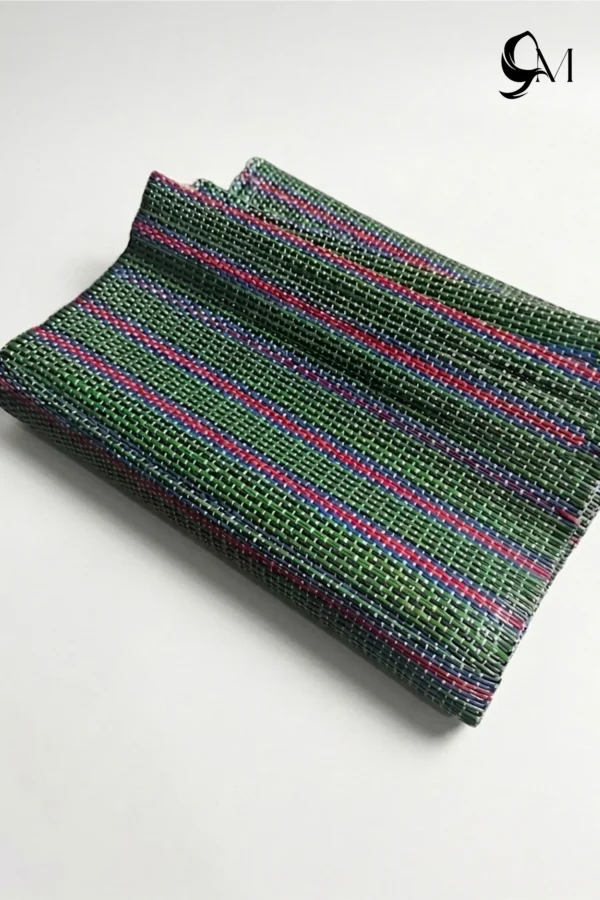
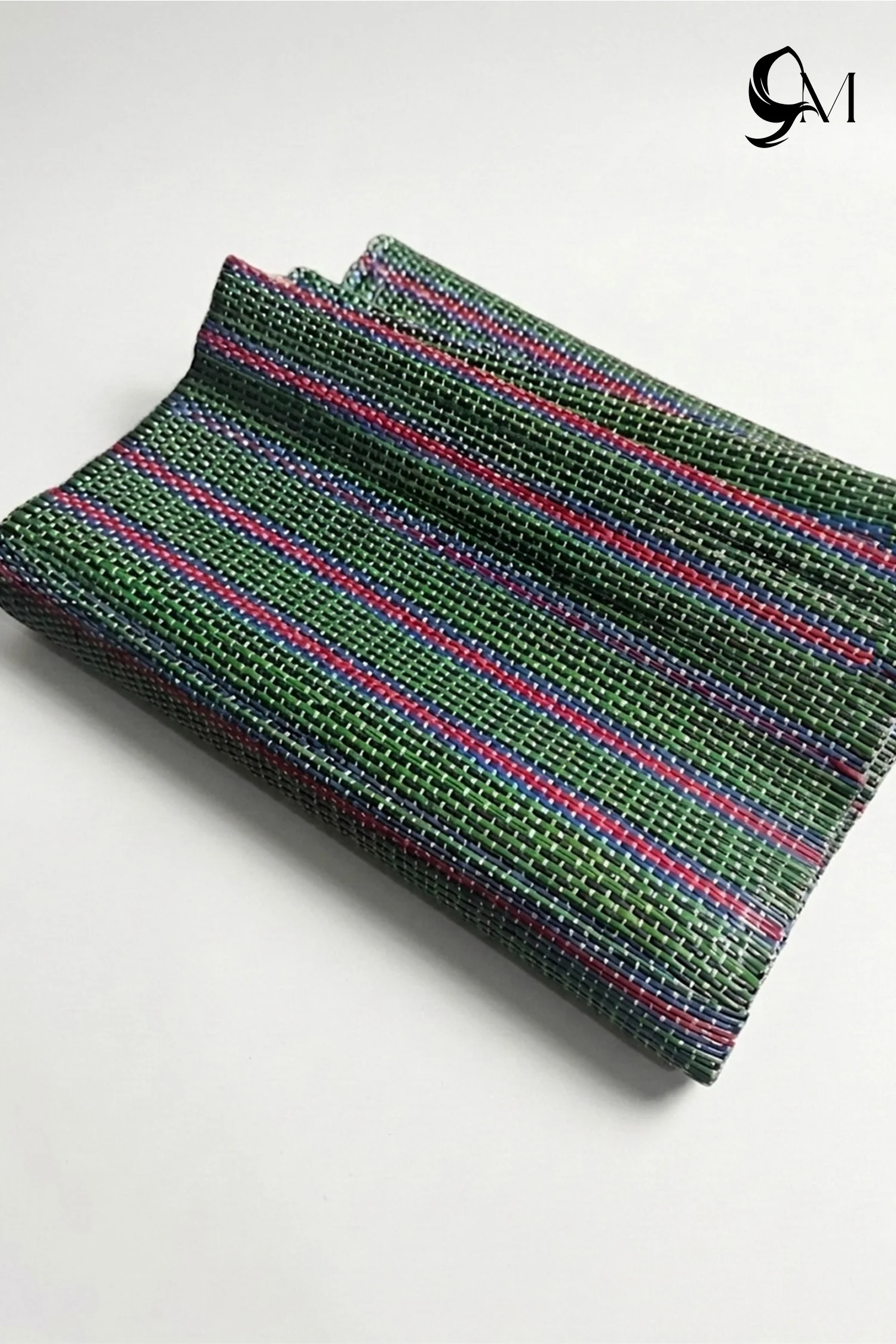
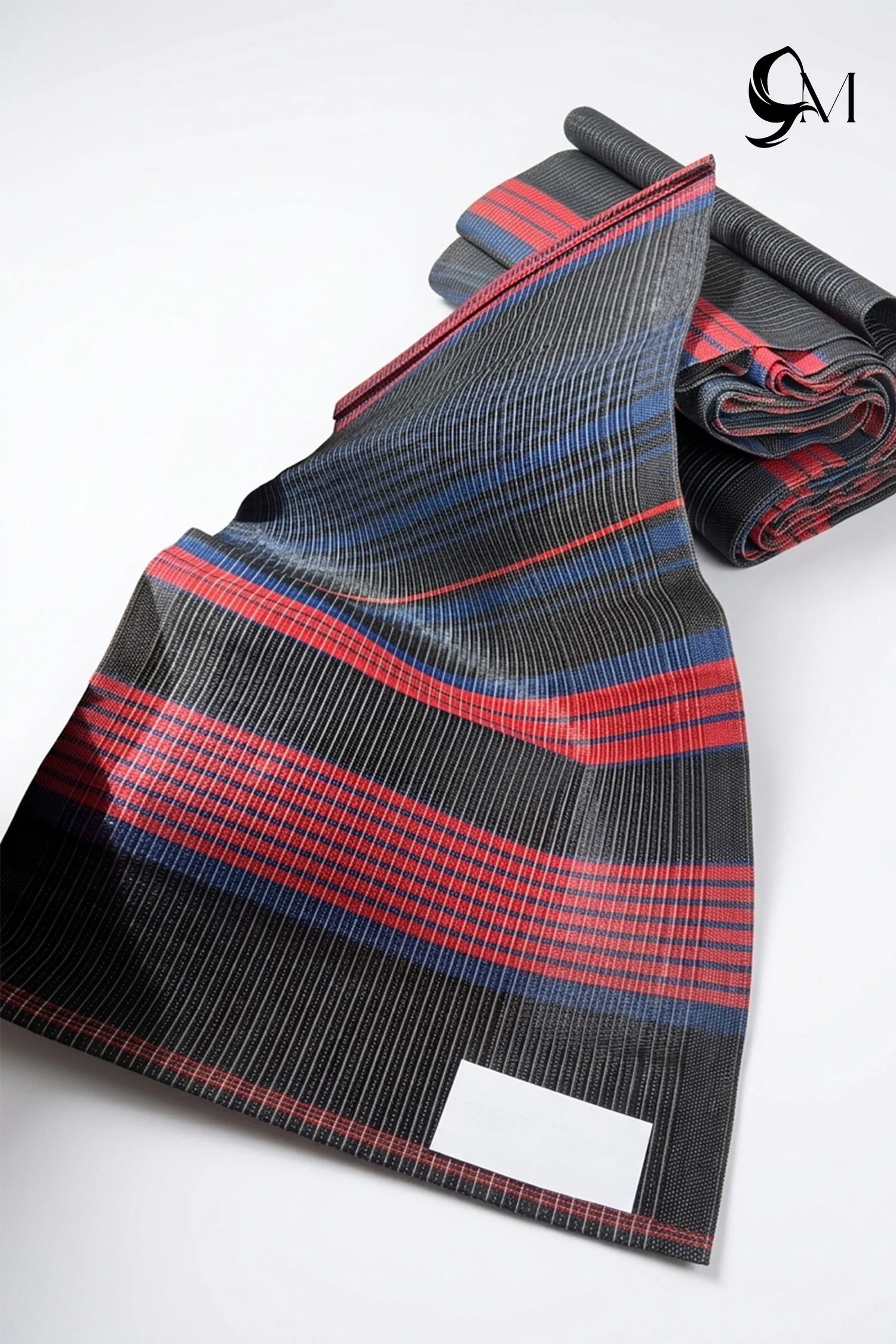
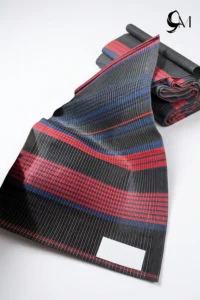
This foldable sleeping mat is woven from high-quality virgin polypropylene plastic straws with a reinforced fabric border, opening to a full 3.5 x 6 feet that comfortably fits one adult sleeping or three to four people sitting together. At approximately 600 grams, it qualifies as a genuine travel mat that goes into any travel bag, Hajj luggage, or car boot without adding noticeable weight. The built-in crease lines fold it back down to a compact briefcase shape in seconds, with stitched fabric handles making it easy to carry over a shoulder during long walks between Mina, Arafat, and Muzdalifah.
Waterproof Picnic Mat for Hajj, Family Outings, and Outdoor Sleeping
Picture unfolding this picnic mat over rocky Muzdalifah ground at night and laying your Ihram directly on a clean, dry surface instead of damp earth and sharp gravel, or spreading it at a family park outing where children sit, eat, and play without anyone worrying about wet grass soaking through their clothes. The woven plastic weave surface is fully waterproof, does not absorb mud or spills, and wipes completely clean with a damp cloth or a rinse from a water pipe after use. As a plastic floor mat it also doubles as a travel pocket prayer mat in situations where no proper prayer mat is available, keeping your forehead and hands off unclean ground during Salah. The ventilated weave structure stays noticeably cooler than foam alternatives in Pakistan's summer heat, and the traditional multicolour stripe pattern looks familiar and cheerful in any outdoor setting. Experienced Pakistani Hujjaj consistently list this chattai among their most-used Hajj items, precisely because it solves a very physical problem that nobody thinks to prepare for until they are already on the ground in Muzdalifah.
Plastic Floor Mat Price in Pakistan
The plastic mat price is 599rs. It is important to note that this price may vary based on several external factors, such as changes in manufacturing costs, market demand, and economic conditions. This means that fluctuations in these factors could lead to an increase or decrease in the price of the prayer mat plastic over time. Order your plastic mat online from Munawer.Pk today, with Cash on Delivery and fast delivery across Pakistan. Light enough to forget it is in your bag, useful enough that you will never travel without it again.
Foldable Sleeping Mat: Specifications That Justify the Purchase
Why This Foldable Sleeping Mat Works for Hajj, Muzdalifah and Pakistani Outdoor Use
📌 FEATURE BULLETS:
- Woven polypropylene plastic straw construction with waterproof fabric border lining → this plastic chatai mat blocks ground moisture, morning dew, and wet grass from seeping through to clothing, Ihram, or prayer mats laid on top
- Open size 3.5 x 6 feet → comfortably fits one adult sleeping full-length or 3 to 4 people sitting, sized specifically for Muzdalifah outdoor sleeping and family picnic mat use in Pakistani parks
- Approximately 600 grams total weight → light enough to carry on one shoulder during long walks between Mina, Arafat, and Muzdalifah without adding meaningful load to Hajj travel gear
- Built-in folding crease design with attached stitched fabric handles → folds down to a compact briefcase-sized rectangle in under 10 seconds, fitting inside Hajj luggage without rolling or strapping to a backpack
- Plastic weave ventilation structure → allows air circulation between mat surface and ground, keeping the surface noticeably cooler than solid foam mats on hot Pakistani summer ground
- Water-resistant and stain-resistant surface → liquids, mud, and food spills wipe off with a damp cloth or water rinse, requiring no machine washing or drying time before repacking
- Creates a thick barrier against sharp gravel, dry thorns, and uneven rocky ground → prevents the body aches and sleep disruption caused by pebbles poking through thin bedsheets or travel mat alternatives during outdoor overnight stays
- Does not absorb sweat or odour unlike cloth mats → maintains hygiene across repeated uses during a multi-day Hajj stay without requiring washing between sessions
- Traditional multi-colour stripe pattern construction → this chattai format is a recognised and culturally familiar mat style for Pakistani families, widely used across park picnics, roadside rest stops, and outdoor events
- Doubles as a plastic prayer mat on clean ground → provides a clean, dry, dust-free surface for Salah during outdoor travel, Muzdalifah night, or roadside prayer stops when a standard prayer rug is not accessible
Munawer.Pk stocks this waterproof picnic mat with reinforced fabric border stitching and virgin polypropylene weave confirmed, addressing the two most common quality complaints Pakistani buyers report of woven joints pulling loose and border stitching unravelling under outdoor use conditions.
Chattai – Plastic Chatai Mat – FAQs
Q: What is a picnic mat and what makes it different from a regular floor mat?
A: A picnic mat is a portable, foldable or rollable outdoor surface designed specifically for sitting, resting, and eating on natural ground during outdoor activities. What distinguishes it from a regular floor mat is its combination of features engineered for outdoor use: a waterproof or water-resistant base layer that prevents ground moisture from seeping through, a comfortable upper surface suitable for extended sitting, a lightweight and compact packed size that fits easily in a bag, and materials that resist dirt, grass stains, and the general demands of outdoor surfaces. A regular floor mat — whether a doormat, bath mat, or indoor area rug — is designed for indoor use on flat, clean, controlled surfaces and typically has none of the moisture resistance, packability, or durability against outdoor terrain that a dedicated picnic mat provides.
Q: Is a waterproof picnic mat better than a regular one for outdoor use?
A: For most outdoor use cases in Pakistan, a waterproof picnic mat is significantly more practical than a non-waterproof alternative. The ground in most outdoor settings — parks, fields, riverbanks, and camping sites — contains moisture at varying levels even when the surface appears dry. A waterproof base layer prevents this ground moisture from wicking through to the sitting surface, keeping the mat dry and comfortable throughout the outing. During Pakistan’s monsoon season, the benefit is even more pronounced — a non-waterproof mat becomes wet and uncomfortable within minutes of contact with damp grass or soil. The only scenario where a non-waterproof mat might be preferable is completely dry, hard surfaces like concrete or stone where moisture transmission isn’t a concern. For grass, soil, sand, or any natural ground surface — which covers the vast majority of Pakistani outdoor use — waterproof is always the better choice.
Q: What is a foldable sleeping mat and when is it most practically used?
A: A foldable sleeping mat is a portable cushioned surface designed to be laid on the ground for sleeping or resting, which can be folded, rolled, or compressed for compact transport and storage. It creates an insulated, cushioned barrier between the sleeper and the ground — addressing both the physical discomfort of hard ground and the heat loss (or cold ground conduction) that occurs when sleeping directly on the earth. Foldable sleeping mats are most practically used during:
- Camping and trekking — in Pakistan’s popular northern areas including Gilgit-Baltistan, Naran, Kaghan, and Swat Valley where tent sleeping requires a ground surface
- Hajj and Umrah — particularly the mandatory overnight stay at Muzdalifah where pilgrims sleep outdoors on open ground; a foldable mat is one of the most practically valuable items a pilgrim can carry
- Emergency and disaster preparedness — Pakistan’s earthquake and flood vulnerability makes portable sleeping surfaces a practical household emergency item
- Long-distance bus and train travel — for added cushioning on overnight journeys
- Outdoor sporting events and festivals — where spectators sit on ground for extended periods
Q: What is a travel mat and what are its most common uses during travel?
A: A travel mat is a broadly applicable term covering any portable, compact mat designed to be carried during travel for sitting, sleeping, praying, or surface protection purposes. The most common uses during travel in Pakistani context include:
- Prayer surface — providing a clean, personal prayer surface in hotels, airports, vehicles, and outdoor spaces
- Sleeping surface supplement — adding cushioning on hard hotel floors, train berths, or outdoor ground when camping
- Baby changing surface — a clean, portable surface for diaper changes in travel environments where surfaces are uncertain
- Picnic and rest surface — during road trips, at motorway rest stops, or during outdoor meals
- Exercise and yoga surface — travelers maintaining fitness routines need a portable exercise surface
- Ground sitting protection — at outdoor events, bus stations, and other travel environments where sitting on the ground is common in Pakistan
The defining characteristic of a travel mat versus any other mat is its packability — it must compress small enough to be carried in travel luggage without significant space sacrifice.
Q: What is a travel changing mat and how is it useful for parents traveling with babies?
A: A travel changing mat is a compact, foldable, waterproof padded surface specifically designed for diaper changing in travel environments. It unfolds to provide a clean, cushioned surface for the baby during changes in locations where hygiene and surface cleanliness are uncertain — public restrooms, airports, vehicles, relatives’ homes, and outdoor settings. Features that make it specifically useful for traveling parents:
- Waterproof surface — easy to wipe clean between uses; contains any leakage during changes
- Padded cushioning — keeps the baby comfortable during changes on hard public surfaces
- Compact folded size — fits in a standard diaper bag alongside other essentials without taking significant space
- Wipe-clean material — can be sanitized quickly with a wet wipe or antibacterial cloth between uses
- Portable safety — knowing you always have a clean surface available eliminates the anxiety of changing a baby on uncertain public surfaces
For Pakistani parents traveling by air, road, or visiting extended family in different cities — situations where access to proper changing facilities is unpredictable — a travel changing mat is a small investment that dramatically reduces one of the most stressful practical challenges of traveling with infants.
Q: What is a chattai called in English and what is it traditionally used for?
A: A chattai (چٹائی) is the traditional South Asian woven mat most accurately translated into English as a reed mat, woven straw mat, or simply a mat or rush mat. It is woven from natural plant materials — most commonly dried grass, reeds, bamboo strips, date palm leaves, or jute — in a flat weave pattern that creates a firm, slightly textured surface. Traditionally in Pakistani and broader South Asian culture, chattais are used for:
- Floor seating — the primary use; laid on the floor for sitting during gatherings, meals, and relaxation; the traditional alternative to furniture-based seating in many Pakistani homes, particularly in rural areas
- Prayer surface — one of the most widely accepted natural surfaces for performing namaz; the Prophet Muhammad ﷺ is recorded in hadith as having prayed on a woven mat
- Sleeping surface — particularly in rural Pakistan where charpais and beds aren’t always available; laid directly on the floor or on a charpai as a sleeping surface
- Outdoor sitting — traditional equivalent of the modern picnic mat for outdoor family gatherings
- Drying and displaying items — food items, grains, and handcrafts are spread on chattais for drying and display
- Craft and decoration — intricately woven chattais are considered traditional Pakistani handicrafts with regional design variations
Q: What is a plastic mat and is it valid to perform namaz on one?
A: A plastic mat is a mat manufactured from polyvinyl chloride (PVC), polyethylene, or similar synthetic polymer materials, often woven or formed into a flat surface. Regarding the validity of performing namaz on a plastic mat, Islamic scholars across the major schools of jurisprudence have addressed this question:
The ruling: Performing namaz on a plastic mat should be clean.
Relevant Islamic principle: The Prophet Muhammad ﷺ stated that the earth has been made a place of purification and prostration for the Muslim ummah — scholars extend this to mean that any clean surface on the earth is a valid prayer surface, with no requirement that the material be natural, traditional, or specifically approved.
Practical consideration: The only restriction would be if the plastic mat has any impurity (najasah) on its surface — in which case the mat must be cleaned before prayer, the same requirement that applies to any prayer surface regardless of material.
Q: What is a travel pocket prayer mat and how is it different from a regular prayer mat?
A: (Already answered in the travel prayer rug FAQ — refer to “What is a travel prayer rug and how is it different from a regular prayer rug?” A pocket prayer mat is specifically the most compact format of travel prayer mat — thin enough to fold to a size that fits in a shirt pocket or small purse, making it the most packable option for pilgrims and frequent travelers.)
Q: How should pilgrims prepare for the night at Muzdalifah and what should they bring?
A: The Muzdalifah night is one of the most practically challenging experiences of Hajj — an outdoor night on open ground with millions of fellow pilgrims, requiring specific preparation:
Essential items to carry:
- Foldable mat or thin sleeping mat — the single most important comfort item; the ground at Muzdalifah is hard, dusty desert ground; millions of pilgrims spend the night on it and a personal mat makes an enormous difference to comfort and rest quality
- Light blanket or ihram cloth — temperatures drop significantly in the desert night, especially in winter Hajj seasons; an extra layer is essential
- Small pillow or travel pillow — optional but significantly improves rest quality
- Water bottle — Muzdalifah can be warm and physical exertion of the day (Arafat standing) means dehydration risk is real
- Light snacks — energy-maintaining food for the night and morning departure
- Small bag for pebbles — to collect and transport the 49 to 70 required pebbles
- Medication — any prescription medication, pain relief for fatigue, and blister treatment for feet already strained from hours of walking
Spiritual preparation:
- Memorize or have written the duas recommended for Muzdalifah
- Have a small Quran or Quran app for nighttime recitation
- Know the timing of Fajr in advance to ensure you’re awake and prepared
Physical preparation:
- Rest as much as possible earlier in the day — the Arafat standing (wuquf) is emotionally and physically draining and many pilgrims arrive at Muzdalifah exhausted
- Wear comfortable, flat footwear appropriate for walking and sleeping on ground
Q: What is the best mat to use at Muzdalifah during Hajj?
A: The ideal Muzdalifah mat balances several competing requirements — it must be comfortable enough for a night’s rest on hard desert ground, compact enough to carry during Hajj’s extensive walking, lightweight enough not to add significant burden, and clean for prayer use:
Best options in order of practicality:
Thin foam foldable mat (EVA foam):
- The most popular and practical choice for Muzdalifah
- Provides meaningful cushioning against hard desert ground
- Folds or rolls compact enough to carry alongside other Hajj essentials
- Doubles as a prayer surface throughout Hajj
- Affordable — widely available at Hajj supply shops in Pakistan and Saudi Arabia
- Lightweight at 300 to 600 grams
Travel prayer mat with foam backing:
- Specifically if it has a foam or padded layer; a thin prayer mat alone provides minimal cushioning for sleeping
- The advantage is dual function — valid prayer surface and sleeping surface in one item
Self-inflating travel sleeping pad:
- More expensive but provides the best comfort; inflates to full cushioning in minutes, deflates and rolls very compact
- The premium choice for pilgrims prioritizing sleep quality at Muzdalifah
- Available at outdoor/camping stores and Daraz
Plastic woven chattai (plastic mat):
- Very affordable and widely available; provides a clean surface barrier against the ground but minimal cushioning
- Valid for prayer use (as established in the plastic mat fatwa above)
- Better than nothing but inferior to foam for comfort
What to avoid: Very heavy mats that add significant weight to already-burdened Hajj luggage, mats that don’t fold compactly, and any mat with materials that would be too hot against the ground in warmer Hajj seasons.
Q: Are foldable mats allowed for prayer in Islam?
A: (Already answered — refer to “What is a plastic mat and is it valid to perform namaz on one?” The same ruling applies to foldable mats of any material — validity depends on cleanliness of the surface, not the material or form of the mat.)
Q: How do you fold a travel picnic mat properly for storage and transport?
A: Correct folding technique preserves the mat’s condition and maximizes packability:
For accordion/Z-fold mats (most foam mats):
- Lay the mat completely flat and smooth out any wrinkles
- Fold in equal sections back and forth in alternating directions — like a concertina or accordion — creating a neat Z-stack
- The fold width should match the carry bag or storage width you need
- Secure with the integrated elastic strap or stuff into carry bag
For roll mats:
- Starting from one end, roll tightly and evenly keeping the edges aligned
- Apply even pressure across the full width as you roll to prevent uneven bulging
- Secure with the elastic strap, cord, or stuff sack
For multi-layer foldable picnic mats:
- Fold the mat in half along the longest dimension first
- Fold in half again along the remaining long dimension
- Continue folding until the mat reaches the desired compact size
- The folded edge should face outward for the neatest appearance and to prevent unfolding
For waterproof picnic mats:
- Fold with the waterproof base facing outward — this protects the softer sitting surface inside the fold
- Wipe any dirt from the waterproof base before folding to prevent transferring dirt to the sitting surface
Q: What is the difference between a picnic mat and a sleeping mat?
A: While there is overlap between these two product categories, they serve different primary purposes and are designed accordingly:
Picnic mat:
- Primary purpose: outdoor sitting surface for meals, relaxation, and recreation
- Typical thickness: 3 to 8mm — thin enough to fold very compact
- Key feature: waterproof base layer to block ground moisture during sitting
- Weight: very light — 300 to 800 grams typically
- Cushioning: minimal — enough for comfortable sitting, not sleeping
- Material: usually polyester surface with aluminum foil or PE foam backing plus waterproof base
- Use duration: hours of daytime sitting use
Sleeping mat:
- Primary purpose: cushioned sleeping surface providing both comfort and thermal insulation from cold ground
- Typical thickness: 10 to 50mm+ depending on type — significantly thicker than a picnic mat
- Key feature: insulation value (R-value) preventing heat loss to cold ground during sleep
- Weight: heavier — 500g to 2kg depending on type
- Cushioning: significant — designed to make sleeping on hard ground comfortable
- Material: closed-cell foam, open-cell foam, self-inflating foam, or air bladder
- Use duration: full night sleeping use
The overlap zone is a medium-duty foldable foam mat (like EVA foam in 10 to 15mm thickness) that functions adequately for both extended sitting and sleeping in mild conditions — the most practical single-purchase option for Hajj Muzdalifah use where both functions are needed in one night.
Q: What are the best foldable sleeping mats available for camping in Pakistan?
A: The Pakistani camping market — particularly relevant for trekkers in the northern areas — offers several accessible options:
Available through online import:
- Self-inflating sleeping pads — mid-range options from Chinese brands available on Daraz (Rs. 3,000 to Rs. 8,000); better comfort than foam with reasonable packability
- Thermarest-style mats — imported through specialty outdoor shops; premium pricing (Rs. 8,000 to Rs. 25,000) but significantly better performance
For Pakistani conditions specifically:
The northern trekking environments — K2 Base Camp, Fairy Meadows, Deosai Plateau — require sleeping pads with meaningful R-values (insulation ratings) due to cold ground temperatures even in summer. A standard thin foam mat is insufficient for these conditions; a self-inflating or insulated closed-cell foam pad provides necessary ground insulation.
Q: Where can I buy foldable sleeping mats online in Pakistan?
A: (Already answered across previous product FAQs — Daraz.pk is the most comprehensive platform; outdoor specialty shops in Lahore’s Liberty Market area and Islamabad’s Jinnah Super area are the most reliable physical retail sources for quality camping sleeping mats.)
Q: What are affordable foldable sleeping mats for trekking in Pakistan?
A: For budget-conscious Pakistani trekkers, the most cost-effective options:
- Foam roll mat — Rs. 600 to Rs. 1,800; similar performance at similar price
- Budget self-inflating mat from Daraz Chinese brands — Rs. 2,500 to Rs. 5,000; significantly better comfort than foam at modest cost increase
Q: Which foldable sleeping mat offers the best insulation for cold weather in Pakistan?
A: For Pakistan’s coldest camping environments — high altitude sites in Gilgit-Baltistan, Deosai Plateau (the world’s second highest plateau), and winter camping in northern KPK — insulation (measured as R-value) is the critical specification:
R-value guide:
- R-1 to R-2 — summer use only; insufficient for cold ground
- R-3 to R-4 — 3-season use; adequate for most northern Pakistan camping conditions
- R-5 and above — winter and high-altitude use; appropriate for Deosai, high Karakoram camps, and snow camping
Best insulation options:
- Closed-cell foam mats (like Thermarest Z-Lite) — R-2 to R-2.6; lightweight, indestructible, never loses insulation even when wet
- Self-inflating insulated pads — R-3 to R-5.5; excellent insulation with added comfort
- Double-layer foam — two standard foam mats combined; the most affordable way to significantly increase R-value for cold conditions
Q: How do you compare foldable sleeping mats by thickness and materials?
A: A practical comparison of the main categories:
Thin closed-cell foam (8 to 12mm EVA):
- Most affordable and lightest option
- R-value approximately 1 to 2
- Indestructible and unaffected by moisture
- Limited sleeping comfort on hard ground
- Best for: budget camping, Muzdalifah use, backup insulation layer
Thick closed-cell foam (20 to 25mm):
- Better comfort and insulation than thin foam
- R-value approximately 2 to 3
- Still lightweight and durable
- Less compact than thin foam
- Best for: most 3-season camping in Pakistan’s northern areas
Self-inflating open-cell foam:
- Comfortable air-foam combination
- R-value 2 to 5 depending on thickness
- More comfortable than closed-cell foam
- Requires valve care; can be punctured
- Heavier and more expensive
- Best for: comfort-focused camping and extended trips
Manual inflatable (air-only):
- Maximum packability when deflated
- Variable R-value (low without insulation fill)
- Most comfortable option with proper insulated versions
- Requires carrying inflation equipment
- Best for: backpacking where weight is critical
Q: Are inflatable or foam foldable mats better for comfort?
A: The answer depends on your specific use case and priorities:
Inflatable mats win for:
- Sleeping comfort — the adjustable air pressure allows customization to your preferred firmness
- Packability — deflated inflatable mats compress to remarkable compactness
- Weight — advanced inflatable mats are among the lightest sleeping surfaces available
- Long-term trips where sleeping quality significantly affects daily performance
Foam mats win for:
- Durability — foam cannot be punctured or develop valve leaks; a single puncture can render an inflatable mat useless
- Simplicity — no inflation required; instant use
- Cold ground insulation at lower cost — closed-cell foam provides reliable insulation that doesn’t diminish with use
- Budget — foam mats cost a fraction of quality inflatable alternatives
- Hajj and Muzdalifah use — in the crowded, potentially sharp-ground conditions of Muzdalifah, an inflatable mat risks puncture; a foam mat is the more practical choice
Verdict for Pakistan: For northern trekking where carrying weight and sleeping quality matter significantly, self-inflating mats offer the best balance. For Hajj, budget camping, and general outdoor use in Pakistan, EVA foam mats are the more practical, affordable, and durable choice.
Q: How do you choose a foldable sleeping mat for cold weather?
A: (Already answered — refer to “Which foldable sleeping mat offers the best insulation for cold weather?” above. The key specification to prioritize is R-value, with R-3 minimum for most northern Pakistan conditions and R-5+ for high altitude and winter use.)
Q: What are the key features of an insulated foldable sleeping mat?
A: A genuinely insulated sleeping mat has specific design features beyond basic foam:
- R-value rating clearly stated — a manufacturer who doesn’t state the R-value is a red flag; all quality insulated mats specify this critical specification
- Reflective layer — some insulated mats include a reflective mylar layer that reflects radiated body heat back toward the sleeper, adding meaningful insulation without significant weight
- Closed-cell construction or sealed air chambers — open-cell foam and open air channels lose insulation value when compressed or wet; proper insulation requires closed structures
- Adequate thickness for the intended temperature range — thicker generally means better insulation in foam mats
- Vapor barrier — prevents ground moisture from entering the foam matrix and degrading insulation over time
Q: How do you compare self-inflating versus manual inflatable sleeping mats?
A: Two distinct categories of inflatable sleeping mats serve different needs:
Self-inflating mats:
- Contain open-cell foam inside an airtight shell
- Open the valve and the foam expands, pulling air in automatically
- Partial inflation happens automatically; final firmness adjusted by adding or releasing air manually
- Provide both foam insulation and air comfort cushioning
- Heavier and bulkier than manual inflatables but simpler to use
- Better insulation per centimeter of thickness than pure air mats
- Good for: car camping, moderate backpacking, Muzdalifah if budget allows
Manual inflatable mats:
- Air-only chambers inflated by mouth, pump sack, or electric pump
- Ultra-compact when deflated — the most packable sleeping surface available
- No insulation inherently — insulated versions add down or synthetic fill inside air chambers
- Lightest option for the compression they achieve
- Require more care against puncture
- Best for: serious backpackers counting every gram; long international travel
Q: How do you clean and store a foldable sleeping mat properly?
A: Proper maintenance significantly extends a sleeping mat’s useful life:
Cleaning foam mats:
- Wipe surface with a damp cloth and mild soap after each camping trip
- For deeper cleaning, hose down with water and mild detergent; scrub gently with a soft brush
- Rinse thoroughly — detergent residue breaks down foam over time
- Air dry completely in a shaded, ventilated area — direct intense sunlight degrades foam
- Never store damp — mold develops inside foam and permanently damages the material
Cleaning inflatable mats:
- Wipe exterior with damp cloth; dry before packing
- Store with the valve slightly open to allow any internal moisture to escape
- Check and clean the valve mechanism with a dry cloth periodically
- Patch any punctures immediately with the included repair kit before the next use
Storage for all mats:
- Store foam mats loosely rolled or flat if space allows — long-term storage in a tightly compressed state can create permanent compression sets in the foam
- Self-inflating mats should be stored with the valve open and unrolled or loosely rolled — not compressed long-term as this damages the open-cell foam
- Keep away from rodents (foam is nesting material) and sharp objects that can puncture or tear
- Store in a cool, dry place away from direct sunlight which degrades both foam and fabric materials over time
Q: What is Muzdalifah and what is its significance during Hajj?
A: Muzdalifah (مزدلفہ) is an open plain located between Mina and Arafat in the sacred precincts of Makkah, approximately 9 kilometers from the Grand Mosque. It holds profound significance in the Hajj pilgrimage as one of the essential stations where pilgrims must perform specific obligatory rituals. Its significance is established directly in the Quran — Surah Al-Baqarah (2:198) specifically mentions Muzdalifah as “Al-Mash’ar Al-Haram” (the Sacred Monument), commanding pilgrims to remember Allah at this place after departing from Arafat. The overnight stay at Muzdalifah on the night between the 9th and 10th of Dhul Hijjah — the night after standing at Arafat — is a wajib (obligatory) act of Hajj according to the Hanafi school and many other scholars, with significant spiritual merit. It is at Muzdalifah that pilgrims collect the pebbles used for the symbolic stoning of the devil (rami al-jamarat) at Mina, and it is here that Maghrib and Isha prayers are combined and shortened. The night spent at Muzdalifah under the open sky, with millions of pilgrims gathered in worship, supplication, and remembrance, is described by Hajj pilgrims as one of the most profoundly moving spiritual experiences of the entire pilgrimage.
Q: What happens during the night stay at Muzdalifah and what are its rituals?
A: The night at Muzdalifah follows a specific sequence of rituals and spiritual practices:
Upon arrival (after sunset on 9th Dhul Hijjah):
- Pilgrims arrive from Arafat after sunset
- Maghrib and Isha prayers are combined — Maghrib (3 rakaat) and Isha (4 rakaat shortened to 2 in qasr) are performed together at Isha time, not at their respective times; this is the Sunnah established by the Prophet ﷺ at Muzdalifah
During the night:
- Collecting pebbles for the rami (stoning ritual) — pilgrims gather 49 to 70 small pebbles (chickpea-sized) from the ground at Muzdalifah; most scholars confirm pebbles can be collected anywhere in the Masha’ir region, not exclusively Muzdalifah
- Spending the night in worship — dhikr, dua, Quran recitation, and rest are all part of the Muzdalifah night; it is a night of significant spiritual opportunity
- Sleeping outdoors — most pilgrims sleep on the open ground, on mats, or in whatever space they find; the entire plain is covered with millions of resting pilgrims
Before departing (around Fajr):
- Fajr prayer is performed at its earliest time at Muzdalifah — this is a significant Sunnah
- Standing at Al-Mash’ar Al-Haram (if possible) for dhikr and supplication until just before sunrise — established by the Quranic verse and the Prophetic Sunnah
- Departure toward Mina before sunrise for the symbolic stoning ritual
Concessions for weak, elderly, and ill pilgrims:
- Scholars permit women, elderly, and those with health conditions to depart Muzdalifah after midnight rather than staying until Fajr
Q: What are the Islamic requirements for the stay at Muzdalifah during Hajj?
A: The Islamic scholars have established the following requirements:
Wajib (obligatory) according to Hanafi school:
- Being present at Muzdalifah for at least a moment during the period from midnight until the Fajr of 10th Dhul Hijjah
- Performing Fajr prayer at its earliest time at Muzdalifah before departing
- Those who miss the stay entirely without valid excuse must slaughter a dam (sacrificial animal) as compensation
Sunnah acts:
- Combining Maghrib and Isha at Isha time upon arrival
- Spending the majority of the night at Muzdalifah in worship and rest
- Collecting pebbles during the night or early morning
- Standing at Al-Mash’ar Al-Haram for dhikr after Fajr
Valid concessions (rukhsah):
- Women, elderly, chronically ill, and those caring for dependents may leave after midnight with the permission established in authentic hadith — the Prophet ﷺ sent his family members ahead before dawn
What is NOT required:
- Performing any specific prayer at a specific location within Muzdalifah (any clean area of the plain is valid)
- Spending the entire night without sleep (rest is not only permitted but encouraged)
- Collecting pebbles only from Muzdalifah specifically — most scholars accept pebbles from anywhere in the Masha’ir
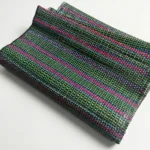 Foldable Sleeping Mat – Premium Waterproof Chatai Trusted for Hajj & Picnic

It works well for sitting and short naps outdoors. I expected slightly more cushioning, but I understand it's designed to be light and portable rather than thick.

I recieved the mat yesterday and the qualiy is better than expected. Will recomend to friends.

Very happy with the purchase. The travel mat is lightweight, folds in seconds and fits easily inside the car. Quality stitching looks durable as well.

Used it as a picnic mat with my family in Ayub Park. Four of us sat comfortably and the waterproof surface was easy to clean

Ye chattai Muzdalifah mein bohat kaam ayi. Fold bhi jaldi ho jati hai aur uthana bilkul easy tha. JazakAllah Munawer.Pk. ❤️

Bought this foldable sleeping mat for hajj and it exceeded my expectations. It folds into a compact size, is lightweight, and kept my clothes clean while resting outdoors. Highly recommended.
Why Foldable Sleeping Mat Buyers Trust Munawer.Pk
Imagine preparing for a beautiful family picnic or embarking on your sacred Hajj and Umrah journey with a complete sense of absolute comfort and peace. You deserve to step out onto any rugged or dusty terrain with zero worries about damp ground, ruined clothes, or painful back aches. Munawer.Pk takes the hesitation and stress out of outdoor prep by ensuring you get a premium, lightweight shield that performs exactly as promised, every single time.
Your Guide to Premium Foldable Sleeping Mats and Travel Comfort
| What Matters to You | Munawer.Pk ✅ | Typical Online Sellers |
| Material Durability | ✅ Premium woven virgin polypropylene plastic floor mat chatai reinforced with high-quality waterproof fabric borders | ⚠️ Low-grade recycled plastic that splits easily and has unraveling edges |
| Hajj & Umrah Design | ✅ Lightweight travel mat built to fold into a briefcase shape—the absolute perfect size for Mina, Arafat, and Muzdalifah | ⚠️ Heavy, bulky rolled mats that are incredibly difficult to pack or carry on your shoulders |
| Hygiene & Damp Protection | ✅ Fully waterproof and dustproof weave keeping your clothes and travel pocket prayer mat clean on damp grass or hot sand | ❌ Non-waterproof woven sheets that let soil moisture and dew soak right through to your clothes |
| Verification Before Paying | ✅ Open-box policy allows you to inspect your picnic mat before making your cash on delivery payment | ❌ Strict closed-box courier policies where you cannot check quality first |
| Proven Legacy | ✅ Trusted family-owned specialized brand with years of experience serving travelers and pilgrims in Pakistan | ⚠️ Unverified online shops with zero specialized travel gear background |
| Sunnah-Aligned Support | ✅ Simple 7 days easy returns and exchange policy reflecting our commitment to honest trading | ❌ Extremely difficult return channels or zero-refund policies for personal goods |
| Verified Value | ✅ 4.8 stars from 7,481+ happy customers across the country with premium, direct-to-consumer plastic floor mat price in pakistan | ⚠️ Highly inflated pricing for budget qualities on unverified platforms |
Whether you are seeking a resilient picnic mat for weekend family get-togethers or a durable plastic prayer mat for your spiritual journeys, protecting your comfort and health is an investment that pays off from day one. Trust the specialists at Munawer.Pk to keep your clothes clean and your body rested no matter where you lay down to rest. Shop with Munawer.Pk today, order your foldable sleeping mat, and experience what buying with complete confidence actually feels like!
Eligibility for Returns:
You can request a return within 7 days from the date of delivery. To be eligible for a return, your item must be in the same condition that you received it, unworn or unused, with tags, and in its original packaging. You’ll also need the receipt or proof of purchase.
We recommend creating a video that showcases the unboxing of the product and provides an initial review.
Refund Process:
Upon approval of your return, we will initiate a refund to your original payment method. It may take a few business days for the funds to reflect in your account.
Return Shipping:
Customers are responsible for return shipping costs unless the return is due to a mistake on our part.
How to Request a Return:
To request a return, please contact our customer support team on WhatsApp at 0341 0738060 or email us at support@munawer.pk We will guide you through the process and provide you with the necessary instructions.
If your return is accepted, we’ll send you a return shipping label, as well as instructions on how and where to send your package. Items sent back to us without first requesting a return will not be accepted.
Damaged or Defective Items or Wrong Product or Never Arrived:
If you receive a damaged or defective item or the wrong product or product that never arrived, please contact us immediately with a video or photos of the product and its packaging. We will work to resolve the issue promptly. REMEMBER: YOU MUST MAKE VIDEO WHILE OPENING A PARCEL.
For more information Click here to visit: Refund and Refund Policy
Foldable Sleeping Mat — From Luggage to Ground in Under 10 Seconds
The night in Muzdalifah is one of the most spiritually significant moments of Hajj, and millions of pilgrims spend it sleeping under the open sky on ground that is rocky, dusty, and completely unforgiving without something between you and it. The same problem appears every Sunday at a family park picnic in Lahore or Islamabad, where the grass looks inviting until someone sits down and stands up with a damp, stained shalwar. You need something waterproof, lightweight, and genuinely portable, not a heavy foam mattress or a cloth bedsheet that soaks through in minutes.
Plastic Chatai Mat That Folds to Briefcase Size
This foldable sleeping mat is woven from high-quality virgin polypropylene plastic straws with a reinforced fabric border, opening to a full 3.5 x 6 feet that comfortably fits one adult sleeping or three to four people sitting together. At approximately 600 grams, it qualifies as a genuine travel mat that goes into any travel bag, Hajj luggage, or car boot without adding noticeable weight. The built-in crease lines fold it back down to a compact briefcase shape in seconds, with stitched fabric handles making it easy to carry over a shoulder during long walks between Mina, Arafat, and Muzdalifah.
Waterproof Picnic Mat for Hajj, Family Outings, and Outdoor Sleeping
Picture unfolding this picnic mat over rocky Muzdalifah ground at night and laying your Ihram directly on a clean, dry surface instead of damp earth and sharp gravel, or spreading it at a family park outing where children sit, eat, and play without anyone worrying about wet grass soaking through their clothes. The woven plastic weave surface is fully waterproof, does not absorb mud or spills, and wipes completely clean with a damp cloth or a rinse from a water pipe after use. As a plastic floor mat it also doubles as a travel pocket prayer mat in situations where no proper prayer mat is available, keeping your forehead and hands off unclean ground during Salah. The ventilated weave structure stays noticeably cooler than foam alternatives in Pakistan's summer heat, and the traditional multicolour stripe pattern looks familiar and cheerful in any outdoor setting. Experienced Pakistani Hujjaj consistently list this chattai among their most-used Hajj items, precisely because it solves a very physical problem that nobody thinks to prepare for until they are already on the ground in Muzdalifah.
Plastic Floor Mat Price in Pakistan
The plastic mat price is 599rs. It is important to note that this price may vary based on several external factors, such as changes in manufacturing costs, market demand, and economic conditions. This means that fluctuations in these factors could lead to an increase or decrease in the price of the prayer mat plastic over time. Order your plastic mat online from Munawer.Pk today, with Cash on Delivery and fast delivery across Pakistan. Light enough to forget it is in your bag, useful enough that you will never travel without it again.
Foldable Sleeping Mat: Specifications That Justify the Purchase
Why This Foldable Sleeping Mat Works for Hajj, Muzdalifah and Pakistani Outdoor Use
📌 FEATURE BULLETS:
- Woven polypropylene plastic straw construction with waterproof fabric border lining → this plastic chatai mat blocks ground moisture, morning dew, and wet grass from seeping through to clothing, Ihram, or prayer mats laid on top
- Open size 3.5 x 6 feet → comfortably fits one adult sleeping full-length or 3 to 4 people sitting, sized specifically for Muzdalifah outdoor sleeping and family picnic mat use in Pakistani parks
- Approximately 600 grams total weight → light enough to carry on one shoulder during long walks between Mina, Arafat, and Muzdalifah without adding meaningful load to Hajj travel gear
- Built-in folding crease design with attached stitched fabric handles → folds down to a compact briefcase-sized rectangle in under 10 seconds, fitting inside Hajj luggage without rolling or strapping to a backpack
- Plastic weave ventilation structure → allows air circulation between mat surface and ground, keeping the surface noticeably cooler than solid foam mats on hot Pakistani summer ground
- Water-resistant and stain-resistant surface → liquids, mud, and food spills wipe off with a damp cloth or water rinse, requiring no machine washing or drying time before repacking
- Creates a thick barrier against sharp gravel, dry thorns, and uneven rocky ground → prevents the body aches and sleep disruption caused by pebbles poking through thin bedsheets or travel mat alternatives during outdoor overnight stays
- Does not absorb sweat or odour unlike cloth mats → maintains hygiene across repeated uses during a multi-day Hajj stay without requiring washing between sessions
- Traditional multi-colour stripe pattern construction → this chattai format is a recognised and culturally familiar mat style for Pakistani families, widely used across park picnics, roadside rest stops, and outdoor events
- Doubles as a plastic prayer mat on clean ground → provides a clean, dry, dust-free surface for Salah during outdoor travel, Muzdalifah night, or roadside prayer stops when a standard prayer rug is not accessible
Munawer.Pk stocks this waterproof picnic mat with reinforced fabric border stitching and virgin polypropylene weave confirmed, addressing the two most common quality complaints Pakistani buyers report of woven joints pulling loose and border stitching unravelling under outdoor use conditions.
Why Foldable Sleeping Mat Buyers Trust Munawer.Pk
Imagine preparing for a beautiful family picnic or embarking on your sacred Hajj and Umrah journey with a complete sense of absolute comfort and peace. You deserve to step out onto any rugged or dusty terrain with zero worries about damp ground, ruined clothes, or painful back aches. Munawer.Pk takes the hesitation and stress out of outdoor prep by ensuring you get a premium, lightweight shield that performs exactly as promised, every single time.
Your Guide to Premium Foldable Sleeping Mats and Travel Comfort
| What Matters to You | Munawer.Pk ✅ | Typical Online Sellers |
| Material Durability | ✅ Premium woven virgin polypropylene plastic floor mat chatai reinforced with high-quality waterproof fabric borders | ⚠️ Low-grade recycled plastic that splits easily and has unraveling edges |
| Hajj & Umrah Design | ✅ Lightweight travel mat built to fold into a briefcase shape—the absolute perfect size for Mina, Arafat, and Muzdalifah | ⚠️ Heavy, bulky rolled mats that are incredibly difficult to pack or carry on your shoulders |
| Hygiene & Damp Protection | ✅ Fully waterproof and dustproof weave keeping your clothes and travel pocket prayer mat clean on damp grass or hot sand | ❌ Non-waterproof woven sheets that let soil moisture and dew soak right through to your clothes |
| Verification Before Paying | ✅ Open-box policy allows you to inspect your picnic mat before making your cash on delivery payment | ❌ Strict closed-box courier policies where you cannot check quality first |
| Proven Legacy | ✅ Trusted family-owned specialized brand with years of experience serving travelers and pilgrims in Pakistan | ⚠️ Unverified online shops with zero specialized travel gear background |
| Sunnah-Aligned Support | ✅ Simple 7 days easy returns and exchange policy reflecting our commitment to honest trading | ❌ Extremely difficult return channels or zero-refund policies for personal goods |
| Verified Value | ✅ 4.8 stars from 7,481+ happy customers across the country with premium, direct-to-consumer plastic floor mat price in pakistan | ⚠️ Highly inflated pricing for budget qualities on unverified platforms |
Whether you are seeking a resilient picnic mat for weekend family get-togethers or a durable plastic prayer mat for your spiritual journeys, protecting your comfort and health is an investment that pays off from day one. Trust the specialists at Munawer.Pk to keep your clothes clean and your body rested no matter where you lay down to rest. Shop with Munawer.Pk today, order your foldable sleeping mat, and experience what buying with complete confidence actually feels like!
Chattai – Plastic Chatai Mat – FAQs
Q: What is a picnic mat and what makes it different from a regular floor mat?
A: A picnic mat is a portable, foldable or rollable outdoor surface designed specifically for sitting, resting, and eating on natural ground during outdoor activities. What distinguishes it from a regular floor mat is its combination of features engineered for outdoor use: a waterproof or water-resistant base layer that prevents ground moisture from seeping through, a comfortable upper surface suitable for extended sitting, a lightweight and compact packed size that fits easily in a bag, and materials that resist dirt, grass stains, and the general demands of outdoor surfaces. A regular floor mat — whether a doormat, bath mat, or indoor area rug — is designed for indoor use on flat, clean, controlled surfaces and typically has none of the moisture resistance, packability, or durability against outdoor terrain that a dedicated picnic mat provides.
Q: Is a waterproof picnic mat better than a regular one for outdoor use?
A: For most outdoor use cases in Pakistan, a waterproof picnic mat is significantly more practical than a non-waterproof alternative. The ground in most outdoor settings — parks, fields, riverbanks, and camping sites — contains moisture at varying levels even when the surface appears dry. A waterproof base layer prevents this ground moisture from wicking through to the sitting surface, keeping the mat dry and comfortable throughout the outing. During Pakistan’s monsoon season, the benefit is even more pronounced — a non-waterproof mat becomes wet and uncomfortable within minutes of contact with damp grass or soil. The only scenario where a non-waterproof mat might be preferable is completely dry, hard surfaces like concrete or stone where moisture transmission isn’t a concern. For grass, soil, sand, or any natural ground surface — which covers the vast majority of Pakistani outdoor use — waterproof is always the better choice.
Q: What is a foldable sleeping mat and when is it most practically used?
A: A foldable sleeping mat is a portable cushioned surface designed to be laid on the ground for sleeping or resting, which can be folded, rolled, or compressed for compact transport and storage. It creates an insulated, cushioned barrier between the sleeper and the ground — addressing both the physical discomfort of hard ground and the heat loss (or cold ground conduction) that occurs when sleeping directly on the earth. Foldable sleeping mats are most practically used during:
- Camping and trekking — in Pakistan’s popular northern areas including Gilgit-Baltistan, Naran, Kaghan, and Swat Valley where tent sleeping requires a ground surface
- Hajj and Umrah — particularly the mandatory overnight stay at Muzdalifah where pilgrims sleep outdoors on open ground; a foldable mat is one of the most practically valuable items a pilgrim can carry
- Emergency and disaster preparedness — Pakistan’s earthquake and flood vulnerability makes portable sleeping surfaces a practical household emergency item
- Long-distance bus and train travel — for added cushioning on overnight journeys
- Outdoor sporting events and festivals — where spectators sit on ground for extended periods
Q: What is a travel mat and what are its most common uses during travel?
A: A travel mat is a broadly applicable term covering any portable, compact mat designed to be carried during travel for sitting, sleeping, praying, or surface protection purposes. The most common uses during travel in Pakistani context include:
- Prayer surface — providing a clean, personal prayer surface in hotels, airports, vehicles, and outdoor spaces
- Sleeping surface supplement — adding cushioning on hard hotel floors, train berths, or outdoor ground when camping
- Baby changing surface — a clean, portable surface for diaper changes in travel environments where surfaces are uncertain
- Picnic and rest surface — during road trips, at motorway rest stops, or during outdoor meals
- Exercise and yoga surface — travelers maintaining fitness routines need a portable exercise surface
- Ground sitting protection — at outdoor events, bus stations, and other travel environments where sitting on the ground is common in Pakistan
The defining characteristic of a travel mat versus any other mat is its packability — it must compress small enough to be carried in travel luggage without significant space sacrifice.
Q: What is a travel changing mat and how is it useful for parents traveling with babies?
A: A travel changing mat is a compact, foldable, waterproof padded surface specifically designed for diaper changing in travel environments. It unfolds to provide a clean, cushioned surface for the baby during changes in locations where hygiene and surface cleanliness are uncertain — public restrooms, airports, vehicles, relatives’ homes, and outdoor settings. Features that make it specifically useful for traveling parents:
- Waterproof surface — easy to wipe clean between uses; contains any leakage during changes
- Padded cushioning — keeps the baby comfortable during changes on hard public surfaces
- Compact folded size — fits in a standard diaper bag alongside other essentials without taking significant space
- Wipe-clean material — can be sanitized quickly with a wet wipe or antibacterial cloth between uses
- Portable safety — knowing you always have a clean surface available eliminates the anxiety of changing a baby on uncertain public surfaces
For Pakistani parents traveling by air, road, or visiting extended family in different cities — situations where access to proper changing facilities is unpredictable — a travel changing mat is a small investment that dramatically reduces one of the most stressful practical challenges of traveling with infants.
Q: What is a chattai called in English and what is it traditionally used for?
A: A chattai (چٹائی) is the traditional South Asian woven mat most accurately translated into English as a reed mat, woven straw mat, or simply a mat or rush mat. It is woven from natural plant materials — most commonly dried grass, reeds, bamboo strips, date palm leaves, or jute — in a flat weave pattern that creates a firm, slightly textured surface. Traditionally in Pakistani and broader South Asian culture, chattais are used for:
- Floor seating — the primary use; laid on the floor for sitting during gatherings, meals, and relaxation; the traditional alternative to furniture-based seating in many Pakistani homes, particularly in rural areas
- Prayer surface — one of the most widely accepted natural surfaces for performing namaz; the Prophet Muhammad ﷺ is recorded in hadith as having prayed on a woven mat
- Sleeping surface — particularly in rural Pakistan where charpais and beds aren’t always available; laid directly on the floor or on a charpai as a sleeping surface
- Outdoor sitting — traditional equivalent of the modern picnic mat for outdoor family gatherings
- Drying and displaying items — food items, grains, and handcrafts are spread on chattais for drying and display
- Craft and decoration — intricately woven chattais are considered traditional Pakistani handicrafts with regional design variations
Q: What is a plastic mat and is it valid to perform namaz on one?
A: A plastic mat is a mat manufactured from polyvinyl chloride (PVC), polyethylene, or similar synthetic polymer materials, often woven or formed into a flat surface. Regarding the validity of performing namaz on a plastic mat, Islamic scholars across the major schools of jurisprudence have addressed this question:
The ruling: Performing namaz on a plastic mat should be clean.
Relevant Islamic principle: The Prophet Muhammad ﷺ stated that the earth has been made a place of purification and prostration for the Muslim ummah — scholars extend this to mean that any clean surface on the earth is a valid prayer surface, with no requirement that the material be natural, traditional, or specifically approved.
Practical consideration: The only restriction would be if the plastic mat has any impurity (najasah) on its surface — in which case the mat must be cleaned before prayer, the same requirement that applies to any prayer surface regardless of material.
Q: What is a travel pocket prayer mat and how is it different from a regular prayer mat?
A: (Already answered in the travel prayer rug FAQ — refer to “What is a travel prayer rug and how is it different from a regular prayer rug?” A pocket prayer mat is specifically the most compact format of travel prayer mat — thin enough to fold to a size that fits in a shirt pocket or small purse, making it the most packable option for pilgrims and frequent travelers.)
Q: How should pilgrims prepare for the night at Muzdalifah and what should they bring?
A: The Muzdalifah night is one of the most practically challenging experiences of Hajj — an outdoor night on open ground with millions of fellow pilgrims, requiring specific preparation:
Essential items to carry:
- Foldable mat or thin sleeping mat — the single most important comfort item; the ground at Muzdalifah is hard, dusty desert ground; millions of pilgrims spend the night on it and a personal mat makes an enormous difference to comfort and rest quality
- Light blanket or ihram cloth — temperatures drop significantly in the desert night, especially in winter Hajj seasons; an extra layer is essential
- Small pillow or travel pillow — optional but significantly improves rest quality
- Water bottle — Muzdalifah can be warm and physical exertion of the day (Arafat standing) means dehydration risk is real
- Light snacks — energy-maintaining food for the night and morning departure
- Small bag for pebbles — to collect and transport the 49 to 70 required pebbles
- Medication — any prescription medication, pain relief for fatigue, and blister treatment for feet already strained from hours of walking
Spiritual preparation:
- Memorize or have written the duas recommended for Muzdalifah
- Have a small Quran or Quran app for nighttime recitation
- Know the timing of Fajr in advance to ensure you’re awake and prepared
Physical preparation:
- Rest as much as possible earlier in the day — the Arafat standing (wuquf) is emotionally and physically draining and many pilgrims arrive at Muzdalifah exhausted
- Wear comfortable, flat footwear appropriate for walking and sleeping on ground
Q: What is the best mat to use at Muzdalifah during Hajj?
A: The ideal Muzdalifah mat balances several competing requirements — it must be comfortable enough for a night’s rest on hard desert ground, compact enough to carry during Hajj’s extensive walking, lightweight enough not to add significant burden, and clean for prayer use:
Best options in order of practicality:
Thin foam foldable mat (EVA foam):
- The most popular and practical choice for Muzdalifah
- Provides meaningful cushioning against hard desert ground
- Folds or rolls compact enough to carry alongside other Hajj essentials
- Doubles as a prayer surface throughout Hajj
- Affordable — widely available at Hajj supply shops in Pakistan and Saudi Arabia
- Lightweight at 300 to 600 grams
Travel prayer mat with foam backing:
- Specifically if it has a foam or padded layer; a thin prayer mat alone provides minimal cushioning for sleeping
- The advantage is dual function — valid prayer surface and sleeping surface in one item
Self-inflating travel sleeping pad:
- More expensive but provides the best comfort; inflates to full cushioning in minutes, deflates and rolls very compact
- The premium choice for pilgrims prioritizing sleep quality at Muzdalifah
- Available at outdoor/camping stores and Daraz
Plastic woven chattai (plastic mat):
- Very affordable and widely available; provides a clean surface barrier against the ground but minimal cushioning
- Valid for prayer use (as established in the plastic mat fatwa above)
- Better than nothing but inferior to foam for comfort
What to avoid: Very heavy mats that add significant weight to already-burdened Hajj luggage, mats that don’t fold compactly, and any mat with materials that would be too hot against the ground in warmer Hajj seasons.
Q: Are foldable mats allowed for prayer in Islam?
A: (Already answered — refer to “What is a plastic mat and is it valid to perform namaz on one?” The same ruling applies to foldable mats of any material — validity depends on cleanliness of the surface, not the material or form of the mat.)
Q: How do you fold a travel picnic mat properly for storage and transport?
A: Correct folding technique preserves the mat’s condition and maximizes packability:
For accordion/Z-fold mats (most foam mats):
- Lay the mat completely flat and smooth out any wrinkles
- Fold in equal sections back and forth in alternating directions — like a concertina or accordion — creating a neat Z-stack
- The fold width should match the carry bag or storage width you need
- Secure with the integrated elastic strap or stuff into carry bag
For roll mats:
- Starting from one end, roll tightly and evenly keeping the edges aligned
- Apply even pressure across the full width as you roll to prevent uneven bulging
- Secure with the elastic strap, cord, or stuff sack
For multi-layer foldable picnic mats:
- Fold the mat in half along the longest dimension first
- Fold in half again along the remaining long dimension
- Continue folding until the mat reaches the desired compact size
- The folded edge should face outward for the neatest appearance and to prevent unfolding
For waterproof picnic mats:
- Fold with the waterproof base facing outward — this protects the softer sitting surface inside the fold
- Wipe any dirt from the waterproof base before folding to prevent transferring dirt to the sitting surface
Q: What is the difference between a picnic mat and a sleeping mat?
A: While there is overlap between these two product categories, they serve different primary purposes and are designed accordingly:
Picnic mat:
- Primary purpose: outdoor sitting surface for meals, relaxation, and recreation
- Typical thickness: 3 to 8mm — thin enough to fold very compact
- Key feature: waterproof base layer to block ground moisture during sitting
- Weight: very light — 300 to 800 grams typically
- Cushioning: minimal — enough for comfortable sitting, not sleeping
- Material: usually polyester surface with aluminum foil or PE foam backing plus waterproof base
- Use duration: hours of daytime sitting use
Sleeping mat:
- Primary purpose: cushioned sleeping surface providing both comfort and thermal insulation from cold ground
- Typical thickness: 10 to 50mm+ depending on type — significantly thicker than a picnic mat
- Key feature: insulation value (R-value) preventing heat loss to cold ground during sleep
- Weight: heavier — 500g to 2kg depending on type
- Cushioning: significant — designed to make sleeping on hard ground comfortable
- Material: closed-cell foam, open-cell foam, self-inflating foam, or air bladder
- Use duration: full night sleeping use
The overlap zone is a medium-duty foldable foam mat (like EVA foam in 10 to 15mm thickness) that functions adequately for both extended sitting and sleeping in mild conditions — the most practical single-purchase option for Hajj Muzdalifah use where both functions are needed in one night.
Q: What are the best foldable sleeping mats available for camping in Pakistan?
A: The Pakistani camping market — particularly relevant for trekkers in the northern areas — offers several accessible options:
Available through online import:
- Self-inflating sleeping pads — mid-range options from Chinese brands available on Daraz (Rs. 3,000 to Rs. 8,000); better comfort than foam with reasonable packability
- Thermarest-style mats — imported through specialty outdoor shops; premium pricing (Rs. 8,000 to Rs. 25,000) but significantly better performance
For Pakistani conditions specifically:
The northern trekking environments — K2 Base Camp, Fairy Meadows, Deosai Plateau — require sleeping pads with meaningful R-values (insulation ratings) due to cold ground temperatures even in summer. A standard thin foam mat is insufficient for these conditions; a self-inflating or insulated closed-cell foam pad provides necessary ground insulation.
Q: Where can I buy foldable sleeping mats online in Pakistan?
A: (Already answered across previous product FAQs — Daraz.pk is the most comprehensive platform; outdoor specialty shops in Lahore’s Liberty Market area and Islamabad’s Jinnah Super area are the most reliable physical retail sources for quality camping sleeping mats.)
Q: What are affordable foldable sleeping mats for trekking in Pakistan?
A: For budget-conscious Pakistani trekkers, the most cost-effective options:
- Foam roll mat — Rs. 600 to Rs. 1,800; similar performance at similar price
- Budget self-inflating mat from Daraz Chinese brands — Rs. 2,500 to Rs. 5,000; significantly better comfort than foam at modest cost increase
Q: Which foldable sleeping mat offers the best insulation for cold weather in Pakistan?
A: For Pakistan’s coldest camping environments — high altitude sites in Gilgit-Baltistan, Deosai Plateau (the world’s second highest plateau), and winter camping in northern KPK — insulation (measured as R-value) is the critical specification:
R-value guide:
- R-1 to R-2 — summer use only; insufficient for cold ground
- R-3 to R-4 — 3-season use; adequate for most northern Pakistan camping conditions
- R-5 and above — winter and high-altitude use; appropriate for Deosai, high Karakoram camps, and snow camping
Best insulation options:
- Closed-cell foam mats (like Thermarest Z-Lite) — R-2 to R-2.6; lightweight, indestructible, never loses insulation even when wet
- Self-inflating insulated pads — R-3 to R-5.5; excellent insulation with added comfort
- Double-layer foam — two standard foam mats combined; the most affordable way to significantly increase R-value for cold conditions
Q: How do you compare foldable sleeping mats by thickness and materials?
A: A practical comparison of the main categories:
Thin closed-cell foam (8 to 12mm EVA):
- Most affordable and lightest option
- R-value approximately 1 to 2
- Indestructible and unaffected by moisture
- Limited sleeping comfort on hard ground
- Best for: budget camping, Muzdalifah use, backup insulation layer
Thick closed-cell foam (20 to 25mm):
- Better comfort and insulation than thin foam
- R-value approximately 2 to 3
- Still lightweight and durable
- Less compact than thin foam
- Best for: most 3-season camping in Pakistan’s northern areas
Self-inflating open-cell foam:
- Comfortable air-foam combination
- R-value 2 to 5 depending on thickness
- More comfortable than closed-cell foam
- Requires valve care; can be punctured
- Heavier and more expensive
- Best for: comfort-focused camping and extended trips
Manual inflatable (air-only):
- Maximum packability when deflated
- Variable R-value (low without insulation fill)
- Most comfortable option with proper insulated versions
- Requires carrying inflation equipment
- Best for: backpacking where weight is critical
Q: Are inflatable or foam foldable mats better for comfort?
A: The answer depends on your specific use case and priorities:
Inflatable mats win for:
- Sleeping comfort — the adjustable air pressure allows customization to your preferred firmness
- Packability — deflated inflatable mats compress to remarkable compactness
- Weight — advanced inflatable mats are among the lightest sleeping surfaces available
- Long-term trips where sleeping quality significantly affects daily performance
Foam mats win for:
- Durability — foam cannot be punctured or develop valve leaks; a single puncture can render an inflatable mat useless
- Simplicity — no inflation required; instant use
- Cold ground insulation at lower cost — closed-cell foam provides reliable insulation that doesn’t diminish with use
- Budget — foam mats cost a fraction of quality inflatable alternatives
- Hajj and Muzdalifah use — in the crowded, potentially sharp-ground conditions of Muzdalifah, an inflatable mat risks puncture; a foam mat is the more practical choice
Verdict for Pakistan: For northern trekking where carrying weight and sleeping quality matter significantly, self-inflating mats offer the best balance. For Hajj, budget camping, and general outdoor use in Pakistan, EVA foam mats are the more practical, affordable, and durable choice.
Q: How do you choose a foldable sleeping mat for cold weather?
A: (Already answered — refer to “Which foldable sleeping mat offers the best insulation for cold weather?” above. The key specification to prioritize is R-value, with R-3 minimum for most northern Pakistan conditions and R-5+ for high altitude and winter use.)
Q: What are the key features of an insulated foldable sleeping mat?
A: A genuinely insulated sleeping mat has specific design features beyond basic foam:
- R-value rating clearly stated — a manufacturer who doesn’t state the R-value is a red flag; all quality insulated mats specify this critical specification
- Reflective layer — some insulated mats include a reflective mylar layer that reflects radiated body heat back toward the sleeper, adding meaningful insulation without significant weight
- Closed-cell construction or sealed air chambers — open-cell foam and open air channels lose insulation value when compressed or wet; proper insulation requires closed structures
- Adequate thickness for the intended temperature range — thicker generally means better insulation in foam mats
- Vapor barrier — prevents ground moisture from entering the foam matrix and degrading insulation over time
Q: How do you compare self-inflating versus manual inflatable sleeping mats?
A: Two distinct categories of inflatable sleeping mats serve different needs:
Self-inflating mats:
- Contain open-cell foam inside an airtight shell
- Open the valve and the foam expands, pulling air in automatically
- Partial inflation happens automatically; final firmness adjusted by adding or releasing air manually
- Provide both foam insulation and air comfort cushioning
- Heavier and bulkier than manual inflatables but simpler to use
- Better insulation per centimeter of thickness than pure air mats
- Good for: car camping, moderate backpacking, Muzdalifah if budget allows
Manual inflatable mats:
- Air-only chambers inflated by mouth, pump sack, or electric pump
- Ultra-compact when deflated — the most packable sleeping surface available
- No insulation inherently — insulated versions add down or synthetic fill inside air chambers
- Lightest option for the compression they achieve
- Require more care against puncture
- Best for: serious backpackers counting every gram; long international travel
Q: How do you clean and store a foldable sleeping mat properly?
A: Proper maintenance significantly extends a sleeping mat’s useful life:
Cleaning foam mats:
- Wipe surface with a damp cloth and mild soap after each camping trip
- For deeper cleaning, hose down with water and mild detergent; scrub gently with a soft brush
- Rinse thoroughly — detergent residue breaks down foam over time
- Air dry completely in a shaded, ventilated area — direct intense sunlight degrades foam
- Never store damp — mold develops inside foam and permanently damages the material
Cleaning inflatable mats:
- Wipe exterior with damp cloth; dry before packing
- Store with the valve slightly open to allow any internal moisture to escape
- Check and clean the valve mechanism with a dry cloth periodically
- Patch any punctures immediately with the included repair kit before the next use
Storage for all mats:
- Store foam mats loosely rolled or flat if space allows — long-term storage in a tightly compressed state can create permanent compression sets in the foam
- Self-inflating mats should be stored with the valve open and unrolled or loosely rolled — not compressed long-term as this damages the open-cell foam
- Keep away from rodents (foam is nesting material) and sharp objects that can puncture or tear
- Store in a cool, dry place away from direct sunlight which degrades both foam and fabric materials over time
Q: What is Muzdalifah and what is its significance during Hajj?
A: Muzdalifah (مزدلفہ) is an open plain located between Mina and Arafat in the sacred precincts of Makkah, approximately 9 kilometers from the Grand Mosque. It holds profound significance in the Hajj pilgrimage as one of the essential stations where pilgrims must perform specific obligatory rituals. Its significance is established directly in the Quran — Surah Al-Baqarah (2:198) specifically mentions Muzdalifah as “Al-Mash’ar Al-Haram” (the Sacred Monument), commanding pilgrims to remember Allah at this place after departing from Arafat. The overnight stay at Muzdalifah on the night between the 9th and 10th of Dhul Hijjah — the night after standing at Arafat — is a wajib (obligatory) act of Hajj according to the Hanafi school and many other scholars, with significant spiritual merit. It is at Muzdalifah that pilgrims collect the pebbles used for the symbolic stoning of the devil (rami al-jamarat) at Mina, and it is here that Maghrib and Isha prayers are combined and shortened. The night spent at Muzdalifah under the open sky, with millions of pilgrims gathered in worship, supplication, and remembrance, is described by Hajj pilgrims as one of the most profoundly moving spiritual experiences of the entire pilgrimage.
Q: What happens during the night stay at Muzdalifah and what are its rituals?
A: The night at Muzdalifah follows a specific sequence of rituals and spiritual practices:
Upon arrival (after sunset on 9th Dhul Hijjah):
- Pilgrims arrive from Arafat after sunset
- Maghrib and Isha prayers are combined — Maghrib (3 rakaat) and Isha (4 rakaat shortened to 2 in qasr) are performed together at Isha time, not at their respective times; this is the Sunnah established by the Prophet ﷺ at Muzdalifah
During the night:
- Collecting pebbles for the rami (stoning ritual) — pilgrims gather 49 to 70 small pebbles (chickpea-sized) from the ground at Muzdalifah; most scholars confirm pebbles can be collected anywhere in the Masha’ir region, not exclusively Muzdalifah
- Spending the night in worship — dhikr, dua, Quran recitation, and rest are all part of the Muzdalifah night; it is a night of significant spiritual opportunity
- Sleeping outdoors — most pilgrims sleep on the open ground, on mats, or in whatever space they find; the entire plain is covered with millions of resting pilgrims
Before departing (around Fajr):
- Fajr prayer is performed at its earliest time at Muzdalifah — this is a significant Sunnah
- Standing at Al-Mash’ar Al-Haram (if possible) for dhikr and supplication until just before sunrise — established by the Quranic verse and the Prophetic Sunnah
- Departure toward Mina before sunrise for the symbolic stoning ritual
Concessions for weak, elderly, and ill pilgrims:
- Scholars permit women, elderly, and those with health conditions to depart Muzdalifah after midnight rather than staying until Fajr
Q: What are the Islamic requirements for the stay at Muzdalifah during Hajj?
A: The Islamic scholars have established the following requirements:
Wajib (obligatory) according to Hanafi school:
- Being present at Muzdalifah for at least a moment during the period from midnight until the Fajr of 10th Dhul Hijjah
- Performing Fajr prayer at its earliest time at Muzdalifah before departing
- Those who miss the stay entirely without valid excuse must slaughter a dam (sacrificial animal) as compensation
Sunnah acts:
- Combining Maghrib and Isha at Isha time upon arrival
- Spending the majority of the night at Muzdalifah in worship and rest
- Collecting pebbles during the night or early morning
- Standing at Al-Mash’ar Al-Haram for dhikr after Fajr
Valid concessions (rukhsah):
- Women, elderly, chronically ill, and those caring for dependents may leave after midnight with the permission established in authentic hadith — the Prophet ﷺ sent his family members ahead before dawn
What is NOT required:
- Performing any specific prayer at a specific location within Muzdalifah (any clean area of the plain is valid)
- Spending the entire night without sleep (rest is not only permitted but encouraged)
- Collecting pebbles only from Muzdalifah specifically — most scholars accept pebbles from anywhere in the Masha’ir
Foldable Sleeping Mat – Premium Waterproof Chatai Trusted for Hajj & Picnic
It works well for sitting and short naps outdoors. I expected slightly more cushioning, but I understand it's designed to be light and portable rather than thick.
I recieved the mat yesterday and the qualiy is better than expected. Will recomend to friends.
Very happy with the purchase. The travel mat is lightweight, folds in seconds and fits easily inside the car. Quality stitching looks durable as well.
Used it as a picnic mat with my family in Ayub Park. Four of us sat comfortably and the waterproof surface was easy to clean
Ye chattai Muzdalifah mein bohat kaam ayi. Fold bhi jaldi ho jati hai aur uthana bilkul easy tha. JazakAllah Munawer.Pk. ❤️
Bought this foldable sleeping mat for hajj and it exceeded my expectations. It folds into a compact size, is lightweight, and kept my clothes clean while resting outdoors. Highly recommended.
Eligibility for Returns:
You can request a return within 7 days from the date of delivery. To be eligible for a return, your item must be in the same condition that you received it, unworn or unused, with tags, and in its original packaging. You’ll also need the receipt or proof of purchase.
We recommend creating a video that showcases the unboxing of the product and provides an initial review.
Refund Process:
Upon approval of your return, we will initiate a refund to your original payment method. It may take a few business days for the funds to reflect in your account.
Return Shipping:
Customers are responsible for return shipping costs unless the return is due to a mistake on our part.
How to Request a Return:
To request a return, please contact our customer support team on WhatsApp at 0341 0738060 or email us at support@munawer.com We will guide you through the process and provide you with the necessary instructions.
If your return is accepted, we’ll send you a return shipping label, as well as instructions on how and where to send your package. Items sent back to us without first requesting a return will not be accepted.
Damaged or Defective Items or Wrong Product or Never Arrived:
If you receive a damaged or defective item or the wrong product or product that never arrived, please contact us immediately with a video or photos of the product and its packaging. We will work to resolve the issue promptly. REMEMBER: YOU MUST MAKE VIDEO WHILE OPENING A PARCEL.
For more information Click here to visit: Refund and Refund Policy