


Namaz Stool – Best Orthopedic Sitting Aid for Knee, Hip, Back Pain | 110kg+ Support

Pre-Ramzan Sale

Tick-Tock... Tick-Tock!!!
This Discount is Slipping Away… Grab it Today Before It’s Gone Tomorrow!

Coupon Code: Ramzan2025

2,999

Purchase & earn 2,249 points!
Estimated delivery on 14 - 17 August, 2026
icon
icon
18 People watching this product now!

Payment Methods:

Description

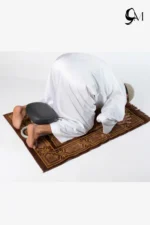
Namaz Stool — Pray in Comfort, Every Rakat, Without Pain

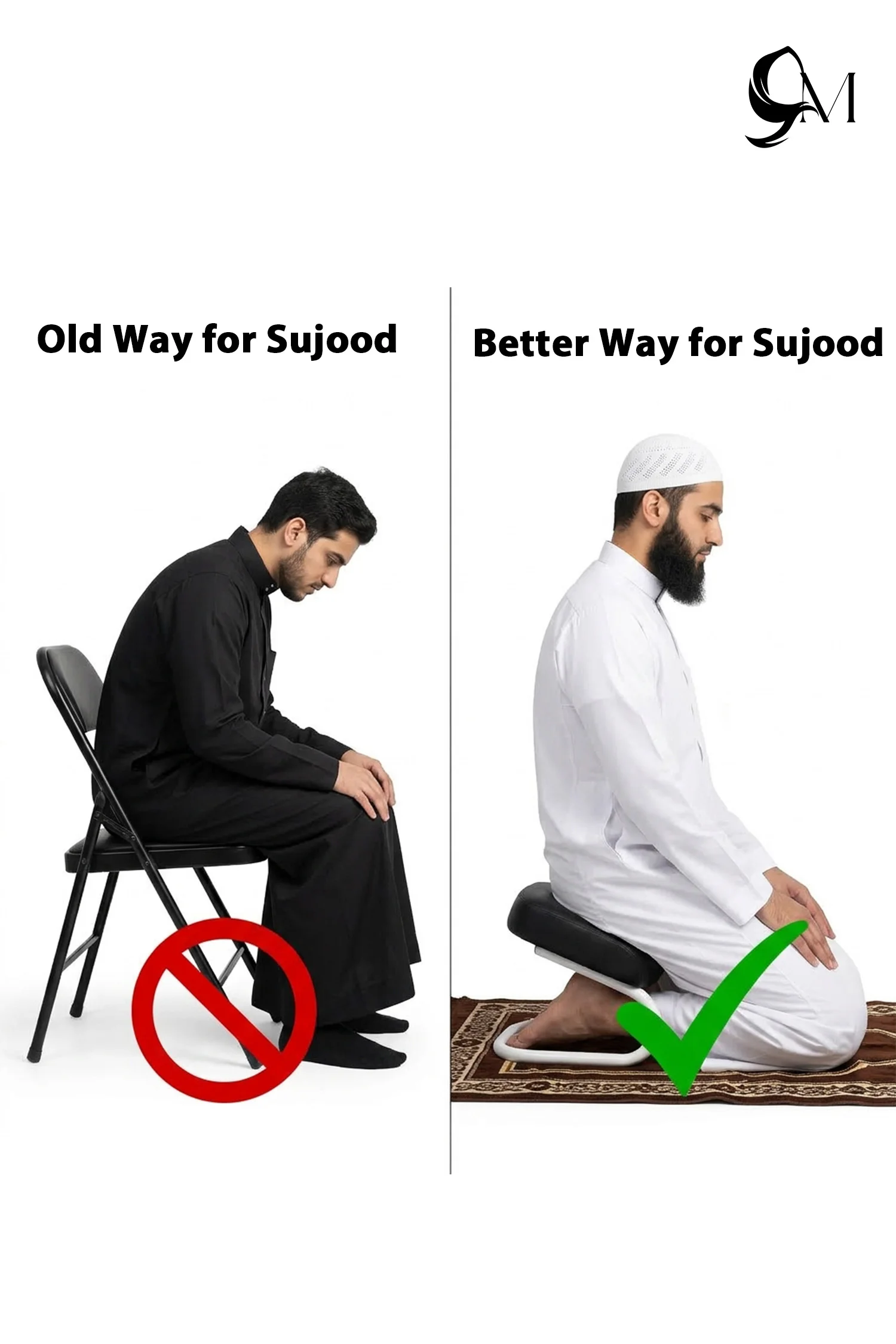
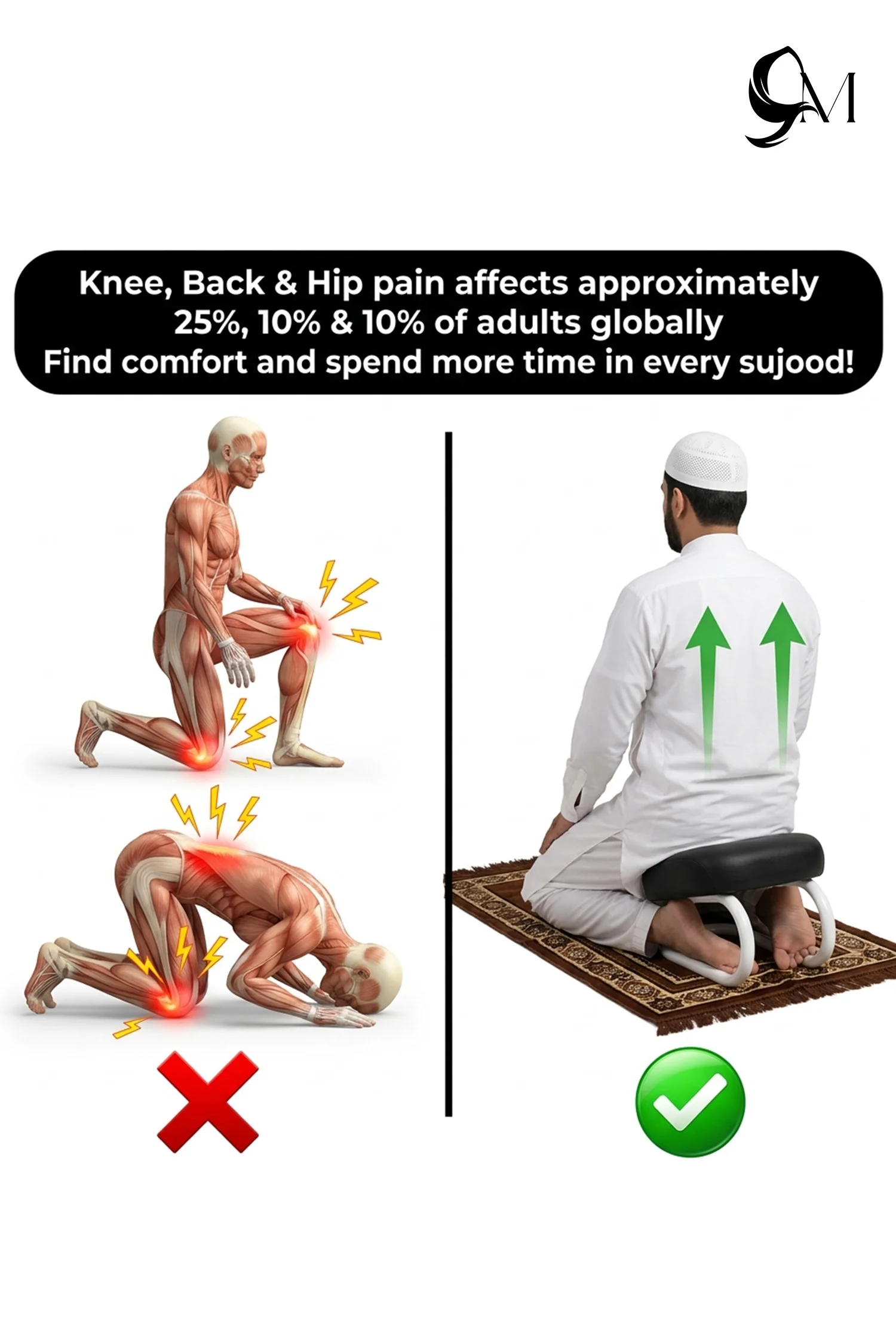
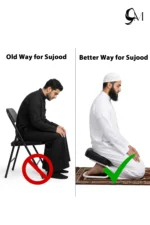
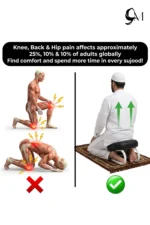
For millions of Pakistani elders, knee arthritis, sciatica, and joint pain have turned the most peaceful part of the day into the most physically difficult. Pulling a sitting chair to the prayer works, but it was never designed for the specific sitting and transitioning movements of Salah. Your parents and grandparents and someone who is overweight or has knee pain deserve something built exactly for this purpose.

Namaz Sitting Stool Built for Salah, Not Just Sitting

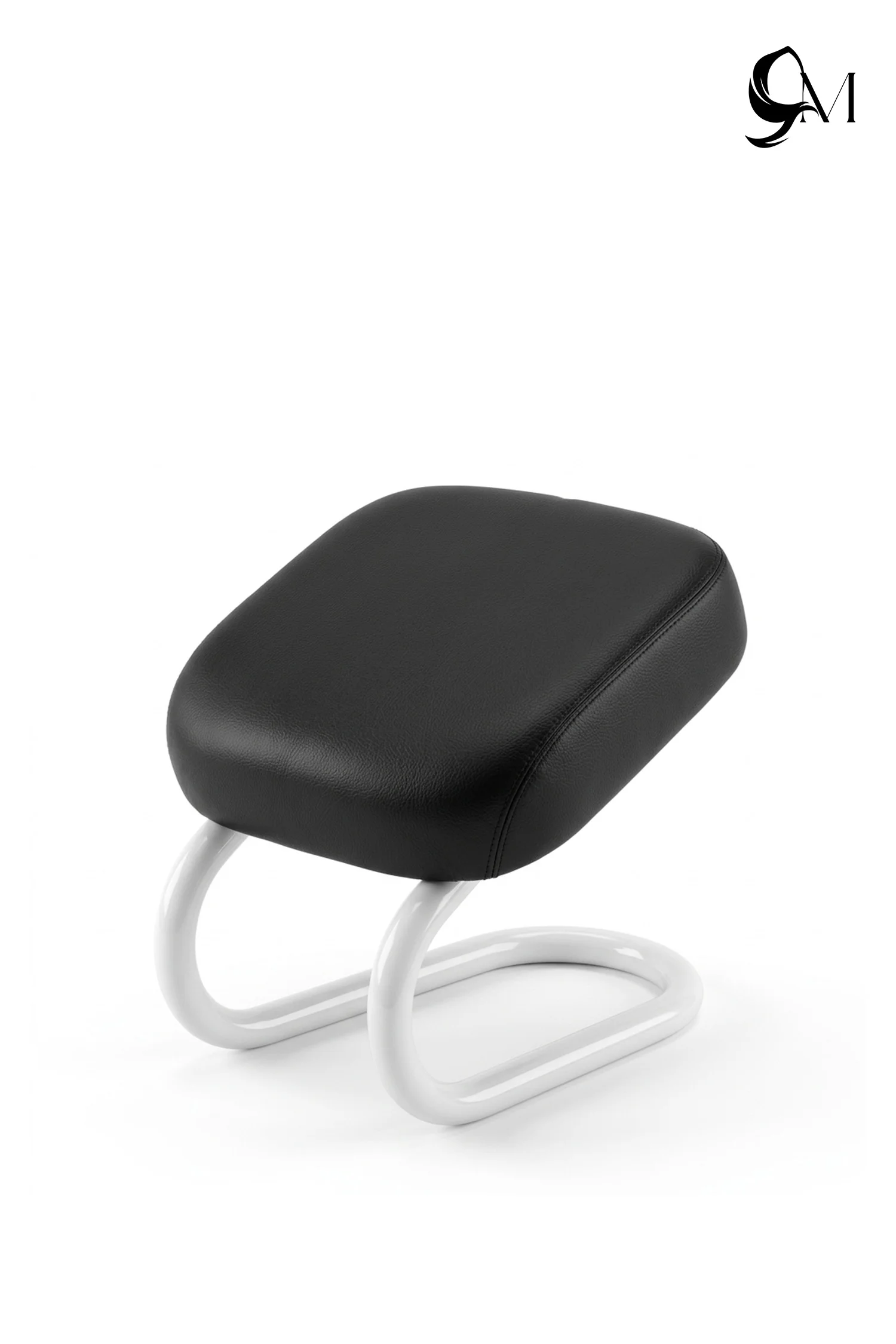
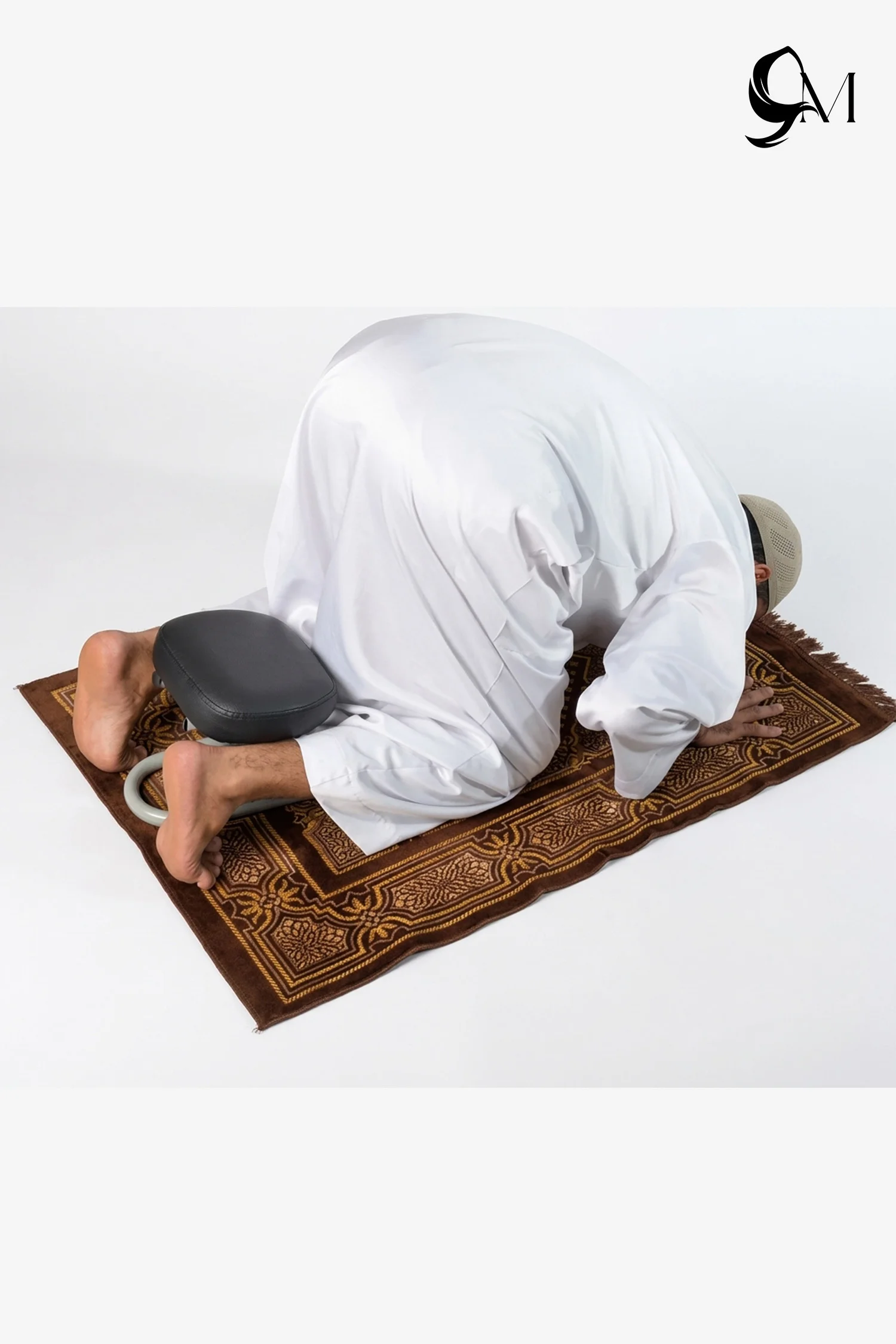
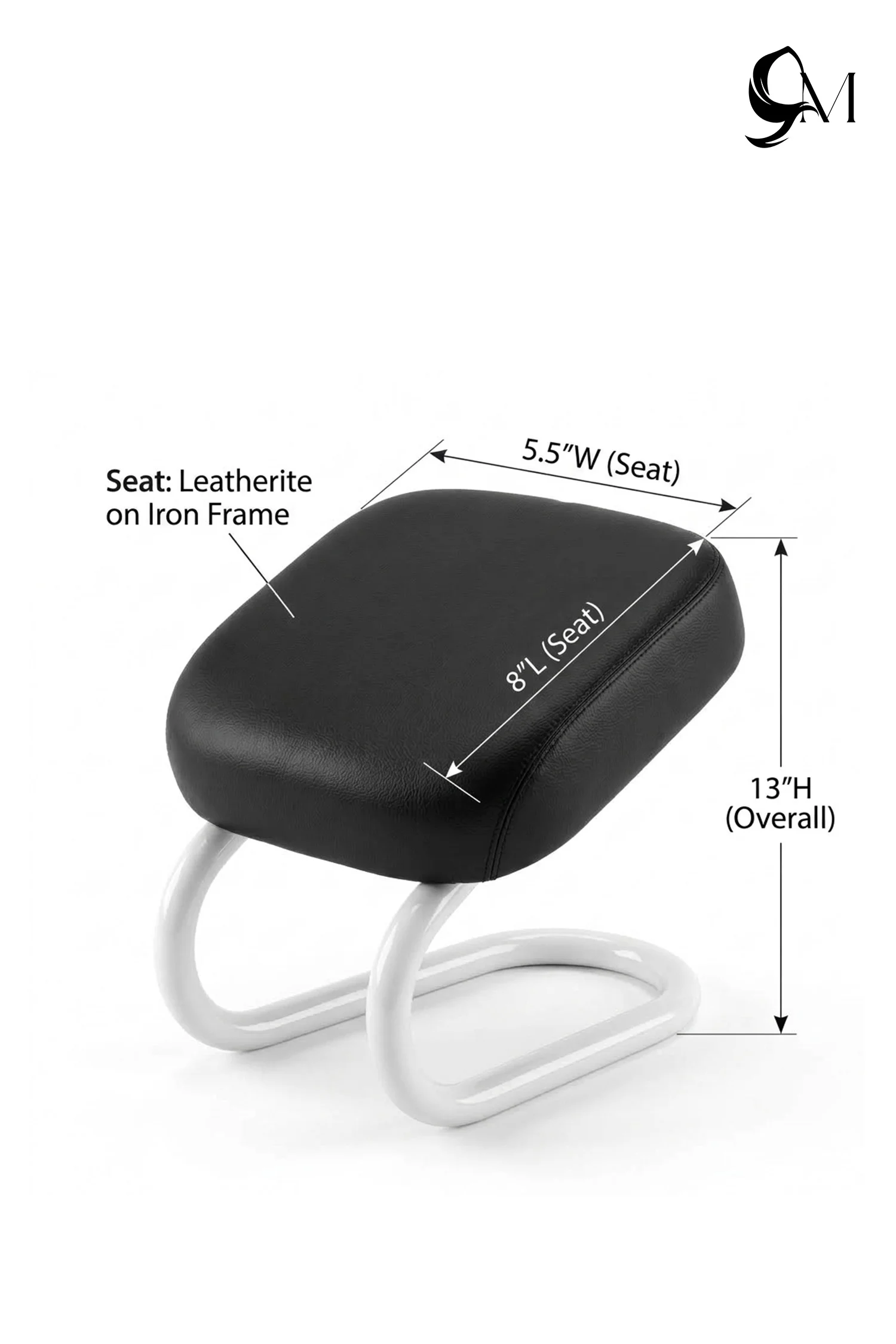
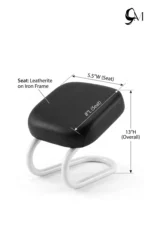
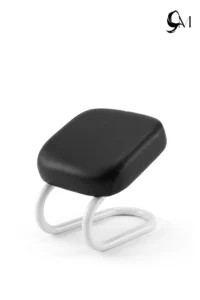
This namaz stool sits between 8 and 11 inches in height, the precise range that keeps knees bent at a wider, safer angle during Attahiyat without forcing the sharp downward flex that triggers joint pain in arthritic knees. The heavy-duty powder-coated steel frame supports body weights exceeding 110 kg without any flexing or squeaking, the high-density memory foam cushion adapts to body contours to prevent thigh numbness during longer prayer sessions, and the thick rubber floor caps grip marble and ceramic tile floors to prevent the stool from sliding backward when transitioning between standing and sitting positions.

Stool for Namaz — A Thoughtful Gift for Every Elder in Your Family

Picture your mother completing full Taraweeh prayers during Ramadan without stopping midway from knee pain, or your grandfather sitting comfortably in the front saff at the mosque without a large chair disrupting the row behind him. This prayer stool for sale at Munawer.Pk has a compact footprint that fits neatly on any janamaz without overhanging the edges, stores flat against a wall when not in use, and doubles as a low entryway shoe bench or footrest for daily household use. Pakistani families consistently buy this as a Ramadan gift for elderly parents and recovering patients returning from knee or hip surgery, because it solves a very real daily problem with dignity rather than improvisation. The solid double-welded metal legs stay completely silent during movement, which matters in a quiet mosque environment where a creaking chair creates its own kind of disturbance.

Order your namaz stool from Munawer.Pk today, with Cash on Delivery and fast delivery across Pakistan. Give your elders the gift of praying fully, comfortably, and without pain.
Features

Namaz Stool: Specifications That Justify the Purchase

Why This Namaz Sitting Stool Works for Knee Pain, Arthritis and Long Taraweeh in Pakistan

📌 FEATURE BULLETS:

  • Reinforced powder-coated steel frame with thick-gauge metal pipes → safely supports body weights exceeding 110 kg without bending or snapping, the structural specification that separates functional namaz stool builds from lightweight wobbling variants reported in common buyer complaints
  • 8 to 11 inch purposeful height range → keeps knees bent at a wider, safer angle during Attahiyat sitting position, reducing the joint friction and sharp pain that forces elderly worshippers to cut prayers short or shift position repeatedly
  • High-density medical memory foam cushion wrapped in synthetic leather → adapts to individual body contours during extended Taraweeh cycles, preventing inner thigh numbness that develops on hard flat surfaces within minutes for arthritis and sciatica sufferers
  • Heavy rubber non-slip floor caps on all legs → prevents the stool from sliding backward on smooth marble and ceramic tile floors during the sit-to-stand transition, the most critical safety point for elderly users with limited lower body strength
  • 12 to 16 inch length footprint → small enough to fit within a standard prayer mat width, allowing elderly family members to maintain their place in mosque congregation rows without blocking walking paths behind them
  • Double-welded silent metal leg construction → produces zero mechanical squeaking during movement between prayer positions, preserving the quiet environment of home and mosque prayer spaces during congregational Salah
  • Compact low-profile design → stores against a wall or under a side table between prayers without the visual and spatial disruption of pulling full-sized dining chairs into a prayer area, a specific frustration raised consistently by Pakistani household buyers
  • Synthetic leather upholstery covering → wipes clean easily and maintains a presentable appearance in home prayer corners, guest rooms, and mosque spaces without fabric fraying or staining over repeated use
  • Multi-purpose utility when not in use for prayer → functions as a low footrest, entryway shoe bench, or general low seating aid, adding practical daily value beyond the primary namaz application
  • Thoughtful gifting format ahead of Ramadan and Taraweeh season → this stool for namaz is among the most purchased respectful gifts for elderly Pakistani parents and grandparents who need joint support but resist using full chairs during prayer

Munawer.Pk stocks this namaz stool price in pakistan listing with frame material thickness and 110 kg weight capacity explicitly confirmed, directly addressing the most critical Pakistani buyer consideration of distinguishing heavy-duty builds from flimsy lightweight frames before purchase.

Faqs

Real Questions About Namaz Stool — Real Answers

Q: Can this namaz stool support heavy adults over 100 kg without bending or tipping over?
A: Yes, our namaz stool is engineered with a heavy-duty, reinforced powder-coated steel frame built specifically to safely support body weights exceeding 110 kg. To prevent dangerous tipping when standing up or sitting down, the stool features custom non-slip rubber foot caps that grip tightly onto smooth marble and tile floors. We recommend keeping your weight centered on the memory foam cushion rather than leaning entirely on the front edge.

Q: How does a stool for namaz differ from sitting on a standard high-back chair during prayer?
A: A low-profile stool for namaz sits just 8 to 11 inches off the ground, keeping your seating height low so you remain close to floor level without bending your knees at sharp, painful angles. Standard 18-inch dining room chairs force you up to normal desk height, which blocks walking paths between mosque rows (Saffs) and disrupts the quiet appearance of home prayer mats (Janamaz). This specialized namaz sitting stool provides target joint relief while preserving traditional prayer posture. Most importantly, you should not rest your head on the floor during Sajda while using the chair.
Q: What is a namaz stool and who is it designed to help during prayers?
A: A namaz stool is a small, low-height seating device specifically designed to assist Muslims who are unable to perform the full physical requirements of salah — standing, bowing (ruku), and prostrating (sujood) — due to physical limitations. It is engineered to facilitate the performance of namaz in a seated position while still enabling the worshipper to approximate the physical postures of prayer as closely as their condition allows. The namaz stool is designed to help elderly individuals whose joints, muscles, or balance no longer support the demands of full prayer movements; people with knee, hip, or back conditions that make floor sitting, kneeling, or prostrating painful or impossible; individuals recovering from surgery or injury affecting mobility; people with chronic conditions such as arthritis, osteoporosis, or neurological disorders affecting movement; and those who become dizzy or lose balance when standing for the duration of prayer.
The stool addresses a deeply important religious and humanitarian need — ensuring that physical limitation never becomes a barrier to fulfilling one of Islam’s five pillars. Its low height (typically 20 to 35cm from the floor) keeps the worshipper close to the ground, enabling them to make meaningful physical gestures toward ruku and sujood positions even from a seated position.


Q: What is a namaz sitting stool and how does it assist in performing prayers?
A: (Already answered above.)


Q: Is it Islamically permissible to offer namaz while sitting on a chair or stool?
A: Yes — and the Islamic evidence for the permissibility of seated prayer is clear and well-established across all major schools of Islamic jurisprudence. The permissibility is grounded in:

Quranic evidence:
Surah Al-Baqarah (2:238) commands believers to stand devoutly before Allah in prayer, and Surah An-Nisa (4:103) describes prayer while standing, sitting, and lying on sides — directly establishing that prayer in positions other than standing is recognized in the Quran itself.

Hadith evidence:
The Prophet Muhammad ﷺ is reported to have said: “Pray standing; if you are unable to, then sitting; if you are unable to, then on your side.” (Sahih Bukhari) This hadith is the primary evidence cited by scholars for the graduated permission of seated and reclined prayer.

Scholarly consensus:
All four major Sunni schools of jurisprudence — Hanafi, Maliki, Shafi’i, and Hanbali — agree that a person who is genuinely unable to stand for prayer due to illness, injury, weakness, or pain is permitted to pray while seated. The prayer is fully valid and complete.

The condition:
The permission is conditional on genuine inability or significant harm — not mere preference or inconvenience. A person who can stand for some prayers but not others should stand when able and sit when not. Someone who can stand for part of the prayer should stand for what they can and sit for the rest within the same prayer.


Q: What is the correct method of performing namaz on a chair for people who cannot stand?
A: (Already answered above — refer to “How do you correctly offer namaz while sitting on a chair?” for the complete step-by-step guidance.)


Q: What is the difference between a namaz stool and a namaz chair?
A: While the terms are sometimes used interchangeably, they describe different designs with meaningful functional differences:

Namaz stool:

  • Low-height seating (typically 20 to 30cm from floor to seat) — keeps the worshipper close to the ground level
  • Simple seat design — no backrest in most traditional designs
  • The low height allows the worshipper to more easily approximate sujood by leaning forward, and places them physically closer to the floor position of standard prayer
  • More compact and portable
  • The worshipper’s feet are typically on the floor with knees bent at approximately 90 degrees
  • Better for worshippers who can manage without back support but need assistance with getting up from the floor or making floor-level positions

Namaz chair:

  • Standard chair height (40 to 45cm from floor to seat) — similar to a regular chair
  • Often includes a backrest for additional support
  • Better for worshippers with significant balance issues or weakness who need full back support
  • The greater height makes approximating sujood (leaning forward toward the ground) more difficult — the worshipper is further from the ground
  • More stable and easier to sit in and rise from for very elderly or weak individuals
  • Some designs include armrests for additional support

Which is better:
A namaz stool is generally preferred from an Islamic practice perspective because its lower height keeps the worshipper closer to the ground-level positions of prayer; a namaz chair is necessary for those who cannot safely use a lower seat. The choice should be made based on the individual’s specific physical condition and limitations.


Q: How do you perform ruku and sujood on a namaz stool?
A: The method for performing ruku and sujood on a namaz stool is the same as for a chair but with the advantage of being closer to the ground:

Ruku on a namaz stool:

  • From the seated position on the stool, lean forward from the waist and hips significantly
  • The forward inclination should be substantial — the torso should bow meaningfully toward the prayer mat
  • Hands can be placed on the knees during this forward inclination (the normal ruku hand position)
  • The head should be level with or lower than the back during this position
  • The low height of the stool means the worshipper’s center of gravity is already lower — the forward lean is more visually and physically meaningful than from a standard chair height

Sujood on a namaz stool:

Preferred method (floor sujood from stool):
If the worshipper can reach the floor from the stool — by leaning forward and placing the forehead on the prayer mat while the feet remain on the floor — this is the preferred approach; some worshippers can manage this from a very low stool even if they cannot get to and from the floor independently

Alternative (inclined sujood):
If floor contact is impossible, lean forward from the stool more deeply than the ruku inclination — the sujood position should be noticeably lower than the ruku position; the head bows toward the ground more deeply

Using an elevated surface:
Some worshippers place a small cushion or raised surface on their lap for the forehead to rest against during sujood — scholars have debated this; the majority prefer floor contact or the deepest possible inclination without the raised surface, as the elevated surface doesn’t replicate the ground contact of genuine sujood


Q: Is namaz valid on a chair according to different madhabs?
A: The four major Sunni madhabs all permit seated prayer under appropriate conditions, with nuanced differences in detail:

Hanafi madhab (predominant in Pakistan):

  • Seated prayer (on a chair, stool, or floor) is valid for those who cannot stand or for whom standing causes significant harm
  • The worshipper should make the sujood inclination noticeably deeper than the ruku inclination so the two positions are distinguishable
  • If capable of any standing, the worshipper should stand for at least the Takbeer and some of the qiyam before sitting for the remainder
  • Using a raised surface on the lap for sujood is considered less preferable — floor inclination is preferred

Maliki madhab:

  • Confirms the validity of seated prayer for those genuinely unable to stand
  • Emphasizes that each position should be performed to the maximum of the worshipper’s ability
  • Floor sujood (leaning from the seated position to touch the ground) is preferred whenever possible

Shafi’i madhab:

  • Permits seated prayer for those who cannot stand without harm
  • Specifies that the sujood should bring the forehead as close to the ground as possible — the sujood inclination must be more pronounced than ruku
  • If the worshipper can stand for any portion of the prayer, they should do so

Hanbali madhab:

  • Same basic permission with the condition of genuine inability
  • Emphasizes performing each element as completely as physically possible
  • Recommends attempting floor sujood even from a seated position whenever the individual has any capacity to do so

Common position across all madhabs:
A seated prayer performed with genuine physical need is fully valid; no madhab considers it inferior or requiring repetition if performed correctly under legitimate circumstances.


Q: What are the dimensions of a standard namaz stool for adults?
A: Standard namaz stool dimensions used by Pakistani manufacturers and widely available in the market:

Seat height:

  • Standard: 25 to 30cm from floor to seat surface
  • Low (closer to floor): 20 to 22cm — for worshippers who want to be as close to ground level as possible
  • Slightly higher: 32 to 35cm — for worshippers who struggle with very low seating

Seat width:

  • Standard: 35 to 42cm — sufficient for comfortable sitting without being excessively wide
  • The seat should accommodate the average adult without the legs feeling squeezed or the seat being so wide that the worshipper can’t sit centrally

Seat depth (front to back):

  • Standard: 28 to 35cm — deep enough for comfortable sitting but not so deep that shorter users can’t reach the floor with their feet

Overall footprint:

  • Compact designs: 35cm × 35cm to 40cm × 40cm at the floor level
  • The small footprint ensures the stool fits on a standard prayer mat (approximately 60cm × 110cm) without taking the majority of the mat space

Frame height:

  • For stools without a backrest, the frame height matches the seat height
  • For stools with backrest, total height typically 60 to 80cm to the top of the backrest

Weight capacity:

  • Standard: 100 to 120kg — adequate for most adult users
  • Heavy-duty models: up to 150 to 180kg

Q: What materials are best for a long-lasting namaz stool?
A: Material choice significantly affects durability, weight, comfort, and maintenance:

Wood (most traditional and aesthetically preferred):

  • Solid sheesham (rosewood): The most durable and aesthetically prestigious option; heavy but extremely long-lasting; resistant to warping; traditional Pakistani craft familiarity makes it widely available
  • Solid pine or MDF: More affordable wood options; adequate durability for moderate use; prone to moisture damage if not properly finished
  • Advantages: Natural aesthetics; no plastic or metal in contact with the prayer environment; culturally familiar; repairable by carpenters
  • Disadvantages: Heavier than metal or plastic; can warp in extreme humidity; requires periodic maintenance

Steel/Aluminum frame:

  • Steel: Very durable and strong; heavier; can rust if the finish is damaged; available in folding designs for portability
  • Aluminum: Lightweight and rust-resistant; ideal for portable and foldable designs; less aesthetically traditional but highly practical
  • Advantages: Lightweight (aluminum); very durable; foldable designs possible; doesn’t warp or crack
  • Disadvantages: Cold to the touch in winter; less traditional appearance; if legs are metal, may require rubber tips to prevent floor scratching

Plastic (high-density polypropylene or similar):

  • Advantages: Very lightweight; completely moisture-resistant; easy to clean; most affordable option; available in various colors
  • Disadvantages: Less durable under heavy use; can crack in extreme cold; less prestigious appearance; some users are uncomfortable with plastic in their prayer space

Recommended material combination:
A wooden seat with steel or aluminum frame combines the aesthetic warmth and comfort of wood with the structural strength and lightness of metal — the most popular combination for quality Pakistani namaz stools.


Q: Where can I buy namaz stools online in Pakistan?
A: Several reliable platforms stock namaz stools with nationwide delivery:

Online platform on Google search for namaz stool

Specialty sources:

  • Islamic bookstores and Islamic lifestyle shops in major cities — many stock namaz stools alongside prayer mats and other Islamic products
  • Furniture craftsmen in local bazaars — sheesham wood furniture makers in Lahore (particularly around Timber Market), Karachi, and Islamabad can make custom namaz stools on request
  • Medical supply shops — some medically-oriented prayer stools and adjustable prayer chairs are available through medical supply retailers who cater to elderly and disabled customers
  • Mosque supply shops — shops near major mosques in Lahore, Karachi, and Islamabad that supply mosque furniture often stock namaz stools

Q: What is the average price range for namaz stools in Pakistan?
A: Prices vary significantly by material, design, and quality:

Basic plastic namaz stools:
Rs. 500 to Rs. 1,500 — lightweight, functional, no frills; adequate for occasional use

Mid-range metal frame namaz stools:
Rs. 1,500 to Rs. 4,000 — better durability; some include padding; folding options in this range

Wooden namaz stools (basic):
Rs. 2,000 to Rs. 5,000 — simple solid wood construction; functional; widely available

Quality wooden namaz stools (sheesham/rosewood):
Rs. 5,000 to Rs. 15,000 — premium solid wood; polished finish; potentially with carved detailing; long-lasting

Adjustable or padded premium designs:
Rs. 8,000 to Rs. 25,000 — adjustable height; cushioned seat; backrest; premium materials; ergonomic design

Custom-made options:
Rs. 5,000 to Rs. 30,000+ depending on material, size, and complexity of design


Q: What features should you look for in a good namaz stool?
A: A quality namaz stool should address both practical functionality and Islamic prayer requirements:

Safety features:

  • Non-slip feet — rubber caps on all legs to prevent sliding on prayer mats and floor surfaces; the most important safety feature for elderly users
  • Adequate weight capacity — must safely support the user’s weight with a safety margin
  • Stable base — wide enough that the stool doesn’t tip if the user leans forward for ruku; stability during prayer movements is essential
  • No sharp edges — smooth, finished edges that won’t catch clothing or scratch skin

Prayer functionality:

  • Appropriate height — low enough to maintain meaningful proximity to the ground for prayer positions
  • Open design under the seat — allows the feet to be flat on the floor in the correct prayer position without the seat structure interfering
  • Seat depth allowing proper sitting position with feet comfortably flat

Comfort features:

  • Padded seat — reduces discomfort during the extended sitting of longer prayers
  • Backrest option — for worshippers who need back support; should not interfere with the forward inclination needed for ruku
  • Smooth, comfortable seat surface material

Practical features:

  • Lightweight for the user’s ability to carry it
  • Foldable (for portable versions) with a secure locking mechanism when open
  • Easy to clean — wipeable surfaces are practical for an item used in the prayer space
  • Durable materials suited to daily use

Reviews

Add a review
Namaz Stool – Best Orthopedic Sitting Aid for Knee, Hip, Back Pain | 110kg+ Support Namaz Stool – Best Orthopedic Sitting Aid for Knee, Hip, Back Pain | 110kg+ Support
Rating*
0/5
* Rating is required
Your review
* Review is required
Name
* Name is required
Add photos or video to your review
0.0
Based on 0 reviews
5
0%
4
0%
3
0%
2
0%
1
0%
Sorry, no reviews match your current selections

Why Choose Us

Why Namaz Stool Buyers Trust Munawer.Pk

Imagine setting up your prayer space with total peace of mind, knowing your loved ones can perform their worship comfortably without struggling against joint pain or pulling heavy dining chairs onto their clean prayer mats. No worrying whether a flimsy metal frame will wobble, tilt, or collapse under full body weight during the Attahiyat posture. You deserve a respectful, high-quality shopping experience backed by transparent store policies, open inspection, and fast Cash on Delivery across Pakistan. Munawer.Pk brings this comforting orthopedic solution to homes and masjids, ensuring elderly parents and recovering patients can pray with complete focus (Khushu).

Your Guide to Namaz Sitting Stools and Orthopedic Seating Support

What Matters to You Munawer.Pk ✅ Typical Online Sellers
Heavy-Duty Weight Capacity ✅ Engineered with thick-gauge, powder-coated steel pipes tested to support body weights exceeding 110 kg safely ⚠️ Light, hollow metal or thin plastic frames that wobble, bend, or tilt sideways under user load
Verify Before Paying ✅ Open box policy on Cash on Delivery with pre-dispatch video verification so you can check frame welding and cushion softness ❌ Strictly sealed parcel policies preventing you from testing metal strength or cushion foam quality before paying
Silent & Floor-Grip Security ✅ Non-slip, heavy rubber floor caps prevent sliding on smooth tile/marble and double-welded joints eliminate squeaks ⚠️ Hard plastic feet that slide backward on slick marble floors during sitting-to-standing transitions
Compact Masjid Alignment ✅ Low-profile 8 to 11 inch height and compact footprint allow elders to sit in front rows (Saffs) without blocking pathways ⚠️ Bulky, full-sized dining or office chairs that take up excessive room and disrupt congregational prayer lines
Fair & Transparent Pricing ✅ Genuine namaz stool price in pakistan with transparent checkout costs and zero surprise delivery fees ⚠️ Inflated namaz stool price listings with hidden delivery charges added at final checkout
Sunnah-Aligned Service ✅ Dedicated customer care guided by Sunnah values with an easy 7 days returns and exchange policy ❌ Non-existent after-sales support once the delivery courier leaves your doorstep
Decades of Local Heritage ✅ 60+ years of trusted retail legacy in Pakistan as a family-owned destination for Islamic lifestyle, travel, and health accessories ⚠️ Temporary online vendors offering unverified stool for namaz products without physical store backing

Your worship, joint health, and elderly family members deserve a specialized orthopedic support tool designed to relieve chronic knee arthritis, sciatica, and post-surgery discomfort. By choosing our heavy-duty namaz sitting stool, you enjoy high-density memory foam cushioning, reliable floor grip, and the full backing of over six decades of family-owned retail tradition. Explore our prayer stool for sale range, check the latest namaz stool value bundles at Munawer.Pk today, and gift your elders the comfort they deserve for every Salah.

Return & Refund Policy

Eligibility for Returns:

You can request a return within 7 days from the date of delivery. To be eligible for a return, your item must be in the same condition that you received it, unworn or unused, with tags, and in its original packaging. You’ll also need the receipt or proof of purchase.

We recommend creating a video that showcases the unboxing of the product and provides an initial review.

Refund Process:

Upon approval of your return, we will initiate a refund to your original payment method. It may take a few business days for the funds to reflect in your account.

Return Shipping:

Customers are responsible for return shipping costs unless the return is due to a mistake on our part.

How to Request a Return:

To request a return, please contact our customer support team on WhatsApp at 0341 0738060  or email us at support@munawer.pk We will guide you through the process and provide you with the necessary instructions.

If your return is accepted, we’ll send you a return shipping label, as well as instructions on how and where to send your package. Items sent back to us without first requesting a return will not be accepted.

Damaged or Defective Items or Wrong Product or Never Arrived:

If you receive a damaged or defective item or the wrong product or product that never arrived, please contact us immediately with a video or photos of the product and its packaging. We will work to resolve the issue promptly. REMEMBER: YOU MUST MAKE VIDEO WHILE OPENING A PARCEL.

For more information Click here to visit: Refund and Refund Policy
Namaz Stool — Pray in Comfort, Every Rakat, Without Pain

For millions of Pakistani elders, knee arthritis, sciatica, and joint pain have turned the most peaceful part of the day into the most physically difficult. Pulling a sitting chair to the prayer works, but it was never designed for the specific sitting and transitioning movements of Salah. Your parents and grandparents and someone who is overweight or has knee pain deserve something built exactly for this purpose.

Namaz Sitting Stool Built for Salah, Not Just Sitting

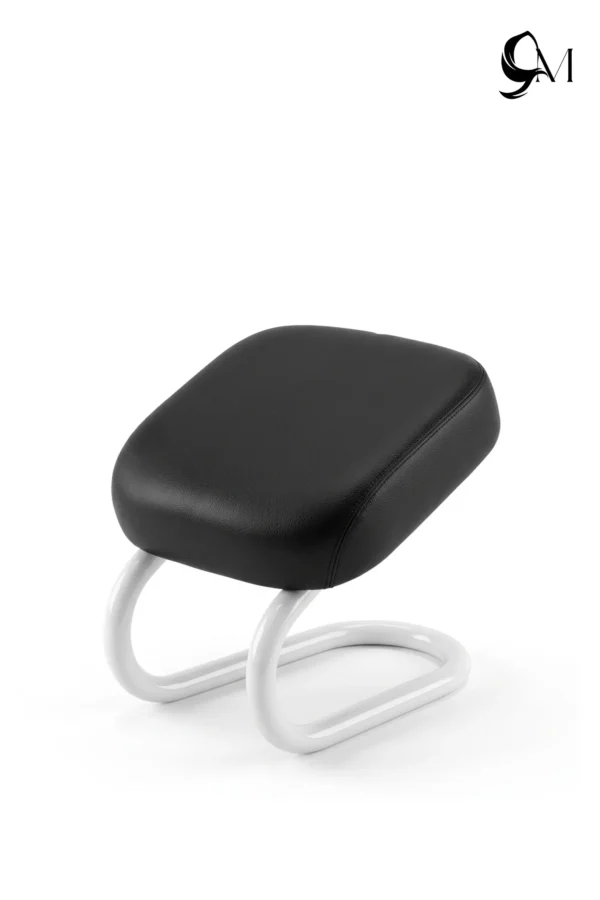
This namaz stool sits between 8 and 11 inches in height, the precise range that keeps knees bent at a wider, safer angle during Attahiyat without forcing the sharp downward flex that triggers joint pain in arthritic knees. The heavy-duty powder-coated steel frame supports body weights exceeding 110 kg without any flexing or squeaking, the high-density memory foam cushion adapts to body contours to prevent thigh numbness during longer prayer sessions, and the thick rubber floor caps grip marble and ceramic tile floors to prevent the stool from sliding backward when transitioning between standing and sitting positions.

Stool for Namaz — A Thoughtful Gift for Every Elder in Your Family

Picture your mother completing full Taraweeh prayers during Ramadan without stopping midway from knee pain, or your grandfather sitting comfortably in the front saff at the mosque without a large chair disrupting the row behind him. This prayer stool for sale at Munawer.Pk has a compact footprint that fits neatly on any janamaz without overhanging the edges, stores flat against a wall when not in use, and doubles as a low entryway shoe bench or footrest for daily household use. Pakistani families consistently buy this as a Ramadan gift for elderly parents and recovering patients returning from knee or hip surgery, because it solves a very real daily problem with dignity rather than improvisation. The solid double-welded metal legs stay completely silent during movement, which matters in a quiet mosque environment where a creaking chair creates its own kind of disturbance.

Order your namaz stool from Munawer.Pk today, with Cash on Delivery and fast delivery across Pakistan. Give your elders the gift of praying fully, comfortably, and without pain.

Namaz Stool: Specifications That Justify the Purchase

Why This Namaz Sitting Stool Works for Knee Pain, Arthritis and Long Taraweeh in Pakistan

📌 FEATURE BULLETS:

  • Reinforced powder-coated steel frame with thick-gauge metal pipes → safely supports body weights exceeding 110 kg without bending or snapping, the structural specification that separates functional namaz stool builds from lightweight wobbling variants reported in common buyer complaints
  • 8 to 11 inch purposeful height range → keeps knees bent at a wider, safer angle during Attahiyat sitting position, reducing the joint friction and sharp pain that forces elderly worshippers to cut prayers short or shift position repeatedly
  • High-density medical memory foam cushion wrapped in synthetic leather → adapts to individual body contours during extended Taraweeh cycles, preventing inner thigh numbness that develops on hard flat surfaces within minutes for arthritis and sciatica sufferers
  • Heavy rubber non-slip floor caps on all legs → prevents the stool from sliding backward on smooth marble and ceramic tile floors during the sit-to-stand transition, the most critical safety point for elderly users with limited lower body strength
  • 12 to 16 inch length footprint → small enough to fit within a standard prayer mat width, allowing elderly family members to maintain their place in mosque congregation rows without blocking walking paths behind them
  • Double-welded silent metal leg construction → produces zero mechanical squeaking during movement between prayer positions, preserving the quiet environment of home and mosque prayer spaces during congregational Salah
  • Compact low-profile design → stores against a wall or under a side table between prayers without the visual and spatial disruption of pulling full-sized dining chairs into a prayer area, a specific frustration raised consistently by Pakistani household buyers
  • Synthetic leather upholstery covering → wipes clean easily and maintains a presentable appearance in home prayer corners, guest rooms, and mosque spaces without fabric fraying or staining over repeated use
  • Multi-purpose utility when not in use for prayer → functions as a low footrest, entryway shoe bench, or general low seating aid, adding practical daily value beyond the primary namaz application
  • Thoughtful gifting format ahead of Ramadan and Taraweeh season → this stool for namaz is among the most purchased respectful gifts for elderly Pakistani parents and grandparents who need joint support but resist using full chairs during prayer

Munawer.Pk stocks this namaz stool price in pakistan listing with frame material thickness and 110 kg weight capacity explicitly confirmed, directly addressing the most critical Pakistani buyer consideration of distinguishing heavy-duty builds from flimsy lightweight frames before purchase.

Why Namaz Stool Buyers Trust Munawer.Pk

Imagine setting up your prayer space with total peace of mind, knowing your loved ones can perform their worship comfortably without struggling against joint pain or pulling heavy dining chairs onto their clean prayer mats. No worrying whether a flimsy metal frame will wobble, tilt, or collapse under full body weight during the Attahiyat posture. You deserve a respectful, high-quality shopping experience backed by transparent store policies, open inspection, and fast Cash on Delivery across Pakistan. Munawer.Pk brings this comforting orthopedic solution to homes and masjids, ensuring elderly parents and recovering patients can pray with complete focus (Khushu).

Your Guide to Namaz Sitting Stools and Orthopedic Seating Support

What Matters to You Munawer.Pk ✅ Typical Online Sellers
Heavy-Duty Weight Capacity ✅ Engineered with thick-gauge, powder-coated steel pipes tested to support body weights exceeding 110 kg safely ⚠️ Light, hollow metal or thin plastic frames that wobble, bend, or tilt sideways under user load
Verify Before Paying ✅ Open box policy on Cash on Delivery with pre-dispatch video verification so you can check frame welding and cushion softness ❌ Strictly sealed parcel policies preventing you from testing metal strength or cushion foam quality before paying
Silent & Floor-Grip Security ✅ Non-slip, heavy rubber floor caps prevent sliding on smooth tile/marble and double-welded joints eliminate squeaks ⚠️ Hard plastic feet that slide backward on slick marble floors during sitting-to-standing transitions
Compact Masjid Alignment ✅ Low-profile 8 to 11 inch height and compact footprint allow elders to sit in front rows (Saffs) without blocking pathways ⚠️ Bulky, full-sized dining or office chairs that take up excessive room and disrupt congregational prayer lines
Fair & Transparent Pricing ✅ Genuine namaz stool price in pakistan with transparent checkout costs and zero surprise delivery fees ⚠️ Inflated namaz stool price listings with hidden delivery charges added at final checkout
Sunnah-Aligned Service ✅ Dedicated customer care guided by Sunnah values with an easy 7 days returns and exchange policy ❌ Non-existent after-sales support once the delivery courier leaves your doorstep
Decades of Local Heritage ✅ 60+ years of trusted retail legacy in Pakistan as a family-owned destination for Islamic lifestyle, travel, and health accessories ⚠️ Temporary online vendors offering unverified stool for namaz products without physical store backing

Your worship, joint health, and elderly family members deserve a specialized orthopedic support tool designed to relieve chronic knee arthritis, sciatica, and post-surgery discomfort. By choosing our heavy-duty namaz sitting stool, you enjoy high-density memory foam cushioning, reliable floor grip, and the full backing of over six decades of family-owned retail tradition. Explore our prayer stool for sale range, check the latest namaz stool value bundles at Munawer.Pk today, and gift your elders the comfort they deserve for every Salah.

Real Questions About Namaz Stool — Real Answers

Q: Can this namaz stool support heavy adults over 100 kg without bending or tipping over?
A: Yes, our namaz stool is engineered with a heavy-duty, reinforced powder-coated steel frame built specifically to safely support body weights exceeding 110 kg. To prevent dangerous tipping when standing up or sitting down, the stool features custom non-slip rubber foot caps that grip tightly onto smooth marble and tile floors. We recommend keeping your weight centered on the memory foam cushion rather than leaning entirely on the front edge.

Q: How does a stool for namaz differ from sitting on a standard high-back chair during prayer?
A: A low-profile stool for namaz sits just 8 to 11 inches off the ground, keeping your seating height low so you remain close to floor level without bending your knees at sharp, painful angles. Standard 18-inch dining room chairs force you up to normal desk height, which blocks walking paths between mosque rows (Saffs) and disrupts the quiet appearance of home prayer mats (Janamaz). This specialized namaz sitting stool provides target joint relief while preserving traditional prayer posture. Most importantly, you should not rest your head on the floor during Sajda while using the chair.

Q: What is a namaz stool and who is it designed to help during prayers?
A: A namaz stool is a small, low-height seating device specifically designed to assist Muslims who are unable to perform the full physical requirements of salah — standing, bowing (ruku), and prostrating (sujood) — due to physical limitations. It is engineered to facilitate the performance of namaz in a seated position while still enabling the worshipper to approximate the physical postures of prayer as closely as their condition allows. The namaz stool is designed to help elderly individuals whose joints, muscles, or balance no longer support the demands of full prayer movements; people with knee, hip, or back conditions that make floor sitting, kneeling, or prostrating painful or impossible; individuals recovering from surgery or injury affecting mobility; people with chronic conditions such as arthritis, osteoporosis, or neurological disorders affecting movement; and those who become dizzy or lose balance when standing for the duration of prayer.
The stool addresses a deeply important religious and humanitarian need — ensuring that physical limitation never becomes a barrier to fulfilling one of Islam’s five pillars. Its low height (typically 20 to 35cm from the floor) keeps the worshipper close to the ground, enabling them to make meaningful physical gestures toward ruku and sujood positions even from a seated position.


Q: What is a namaz sitting stool and how does it assist in performing prayers?
A: (Already answered above.)


Q: Is it Islamically permissible to offer namaz while sitting on a chair or stool?
A: Yes — and the Islamic evidence for the permissibility of seated prayer is clear and well-established across all major schools of Islamic jurisprudence. The permissibility is grounded in:

Quranic evidence:
Surah Al-Baqarah (2:238) commands believers to stand devoutly before Allah in prayer, and Surah An-Nisa (4:103) describes prayer while standing, sitting, and lying on sides — directly establishing that prayer in positions other than standing is recognized in the Quran itself.

Hadith evidence:
The Prophet Muhammad ﷺ is reported to have said: “Pray standing; if you are unable to, then sitting; if you are unable to, then on your side.” (Sahih Bukhari) This hadith is the primary evidence cited by scholars for the graduated permission of seated and reclined prayer.

Scholarly consensus:
All four major Sunni schools of jurisprudence — Hanafi, Maliki, Shafi’i, and Hanbali — agree that a person who is genuinely unable to stand for prayer due to illness, injury, weakness, or pain is permitted to pray while seated. The prayer is fully valid and complete.

The condition:
The permission is conditional on genuine inability or significant harm — not mere preference or inconvenience. A person who can stand for some prayers but not others should stand when able and sit when not. Someone who can stand for part of the prayer should stand for what they can and sit for the rest within the same prayer.


Q: What is the correct method of performing namaz on a chair for people who cannot stand?
A: (Already answered above — refer to “How do you correctly offer namaz while sitting on a chair?” for the complete step-by-step guidance.)


Q: What is the difference between a namaz stool and a namaz chair?
A: While the terms are sometimes used interchangeably, they describe different designs with meaningful functional differences:

Namaz stool:

  • Low-height seating (typically 20 to 30cm from floor to seat) — keeps the worshipper close to the ground level
  • Simple seat design — no backrest in most traditional designs
  • The low height allows the worshipper to more easily approximate sujood by leaning forward, and places them physically closer to the floor position of standard prayer
  • More compact and portable
  • The worshipper’s feet are typically on the floor with knees bent at approximately 90 degrees
  • Better for worshippers who can manage without back support but need assistance with getting up from the floor or making floor-level positions

Namaz chair:

  • Standard chair height (40 to 45cm from floor to seat) — similar to a regular chair
  • Often includes a backrest for additional support
  • Better for worshippers with significant balance issues or weakness who need full back support
  • The greater height makes approximating sujood (leaning forward toward the ground) more difficult — the worshipper is further from the ground
  • More stable and easier to sit in and rise from for very elderly or weak individuals
  • Some designs include armrests for additional support

Which is better:
A namaz stool is generally preferred from an Islamic practice perspective because its lower height keeps the worshipper closer to the ground-level positions of prayer; a namaz chair is necessary for those who cannot safely use a lower seat. The choice should be made based on the individual’s specific physical condition and limitations.


Q: How do you perform ruku and sujood on a namaz stool?
A: The method for performing ruku and sujood on a namaz stool is the same as for a chair but with the advantage of being closer to the ground:

Ruku on a namaz stool:

  • From the seated position on the stool, lean forward from the waist and hips significantly
  • The forward inclination should be substantial — the torso should bow meaningfully toward the prayer mat
  • Hands can be placed on the knees during this forward inclination (the normal ruku hand position)
  • The head should be level with or lower than the back during this position
  • The low height of the stool means the worshipper’s center of gravity is already lower — the forward lean is more visually and physically meaningful than from a standard chair height

Sujood on a namaz stool:

Preferred method (floor sujood from stool):
If the worshipper can reach the floor from the stool — by leaning forward and placing the forehead on the prayer mat while the feet remain on the floor — this is the preferred approach; some worshippers can manage this from a very low stool even if they cannot get to and from the floor independently

Alternative (inclined sujood):
If floor contact is impossible, lean forward from the stool more deeply than the ruku inclination — the sujood position should be noticeably lower than the ruku position; the head bows toward the ground more deeply

Using an elevated surface:
Some worshippers place a small cushion or raised surface on their lap for the forehead to rest against during sujood — scholars have debated this; the majority prefer floor contact or the deepest possible inclination without the raised surface, as the elevated surface doesn’t replicate the ground contact of genuine sujood


Q: Is namaz valid on a chair according to different madhabs?
A: The four major Sunni madhabs all permit seated prayer under appropriate conditions, with nuanced differences in detail:

Hanafi madhab (predominant in Pakistan):

  • Seated prayer (on a chair, stool, or floor) is valid for those who cannot stand or for whom standing causes significant harm
  • The worshipper should make the sujood inclination noticeably deeper than the ruku inclination so the two positions are distinguishable
  • If capable of any standing, the worshipper should stand for at least the Takbeer and some of the qiyam before sitting for the remainder
  • Using a raised surface on the lap for sujood is considered less preferable — floor inclination is preferred

Maliki madhab:

  • Confirms the validity of seated prayer for those genuinely unable to stand
  • Emphasizes that each position should be performed to the maximum of the worshipper’s ability
  • Floor sujood (leaning from the seated position to touch the ground) is preferred whenever possible

Shafi’i madhab:

  • Permits seated prayer for those who cannot stand without harm
  • Specifies that the sujood should bring the forehead as close to the ground as possible — the sujood inclination must be more pronounced than ruku
  • If the worshipper can stand for any portion of the prayer, they should do so

Hanbali madhab:

  • Same basic permission with the condition of genuine inability
  • Emphasizes performing each element as completely as physically possible
  • Recommends attempting floor sujood even from a seated position whenever the individual has any capacity to do so

Common position across all madhabs:
A seated prayer performed with genuine physical need is fully valid; no madhab considers it inferior or requiring repetition if performed correctly under legitimate circumstances.


Q: What are the dimensions of a standard namaz stool for adults?
A: Standard namaz stool dimensions used by Pakistani manufacturers and widely available in the market:

Seat height:

  • Standard: 25 to 30cm from floor to seat surface
  • Low (closer to floor): 20 to 22cm — for worshippers who want to be as close to ground level as possible
  • Slightly higher: 32 to 35cm — for worshippers who struggle with very low seating

Seat width:

  • Standard: 35 to 42cm — sufficient for comfortable sitting without being excessively wide
  • The seat should accommodate the average adult without the legs feeling squeezed or the seat being so wide that the worshipper can’t sit centrally

Seat depth (front to back):

  • Standard: 28 to 35cm — deep enough for comfortable sitting but not so deep that shorter users can’t reach the floor with their feet

Overall footprint:

  • Compact designs: 35cm × 35cm to 40cm × 40cm at the floor level
  • The small footprint ensures the stool fits on a standard prayer mat (approximately 60cm × 110cm) without taking the majority of the mat space

Frame height:

  • For stools without a backrest, the frame height matches the seat height
  • For stools with backrest, total height typically 60 to 80cm to the top of the backrest

Weight capacity:

  • Standard: 100 to 120kg — adequate for most adult users
  • Heavy-duty models: up to 150 to 180kg

Q: What materials are best for a long-lasting namaz stool?
A: Material choice significantly affects durability, weight, comfort, and maintenance:

Wood (most traditional and aesthetically preferred):

  • Solid sheesham (rosewood): The most durable and aesthetically prestigious option; heavy but extremely long-lasting; resistant to warping; traditional Pakistani craft familiarity makes it widely available
  • Solid pine or MDF: More affordable wood options; adequate durability for moderate use; prone to moisture damage if not properly finished
  • Advantages: Natural aesthetics; no plastic or metal in contact with the prayer environment; culturally familiar; repairable by carpenters
  • Disadvantages: Heavier than metal or plastic; can warp in extreme humidity; requires periodic maintenance

Steel/Aluminum frame:

  • Steel: Very durable and strong; heavier; can rust if the finish is damaged; available in folding designs for portability
  • Aluminum: Lightweight and rust-resistant; ideal for portable and foldable designs; less aesthetically traditional but highly practical
  • Advantages: Lightweight (aluminum); very durable; foldable designs possible; doesn’t warp or crack
  • Disadvantages: Cold to the touch in winter; less traditional appearance; if legs are metal, may require rubber tips to prevent floor scratching

Plastic (high-density polypropylene or similar):

  • Advantages: Very lightweight; completely moisture-resistant; easy to clean; most affordable option; available in various colors
  • Disadvantages: Less durable under heavy use; can crack in extreme cold; less prestigious appearance; some users are uncomfortable with plastic in their prayer space

Recommended material combination:
A wooden seat with steel or aluminum frame combines the aesthetic warmth and comfort of wood with the structural strength and lightness of metal — the most popular combination for quality Pakistani namaz stools.


Q: Where can I buy namaz stools online in Pakistan?
A: Several reliable platforms stock namaz stools with nationwide delivery:

Online platform on Google search for namaz stool

Specialty sources:

  • Islamic bookstores and Islamic lifestyle shops in major cities — many stock namaz stools alongside prayer mats and other Islamic products
  • Furniture craftsmen in local bazaars — sheesham wood furniture makers in Lahore (particularly around Timber Market), Karachi, and Islamabad can make custom namaz stools on request
  • Medical supply shops — some medically-oriented prayer stools and adjustable prayer chairs are available through medical supply retailers who cater to elderly and disabled customers
  • Mosque supply shops — shops near major mosques in Lahore, Karachi, and Islamabad that supply mosque furniture often stock namaz stools

Q: What is the average price range for namaz stools in Pakistan?
A: Prices vary significantly by material, design, and quality:

Basic plastic namaz stools:
Rs. 500 to Rs. 1,500 — lightweight, functional, no frills; adequate for occasional use

Mid-range metal frame namaz stools:
Rs. 1,500 to Rs. 4,000 — better durability; some include padding; folding options in this range

Wooden namaz stools (basic):
Rs. 2,000 to Rs. 5,000 — simple solid wood construction; functional; widely available

Quality wooden namaz stools (sheesham/rosewood):
Rs. 5,000 to Rs. 15,000 — premium solid wood; polished finish; potentially with carved detailing; long-lasting

Adjustable or padded premium designs:
Rs. 8,000 to Rs. 25,000 — adjustable height; cushioned seat; backrest; premium materials; ergonomic design

Custom-made options:
Rs. 5,000 to Rs. 30,000+ depending on material, size, and complexity of design


Q: What features should you look for in a good namaz stool?
A: A quality namaz stool should address both practical functionality and Islamic prayer requirements:

Safety features:

  • Non-slip feet — rubber caps on all legs to prevent sliding on prayer mats and floor surfaces; the most important safety feature for elderly users
  • Adequate weight capacity — must safely support the user’s weight with a safety margin
  • Stable base — wide enough that the stool doesn’t tip if the user leans forward for ruku; stability during prayer movements is essential
  • No sharp edges — smooth, finished edges that won’t catch clothing or scratch skin

Prayer functionality:

  • Appropriate height — low enough to maintain meaningful proximity to the ground for prayer positions
  • Open design under the seat — allows the feet to be flat on the floor in the correct prayer position without the seat structure interfering
  • Seat depth allowing proper sitting position with feet comfortably flat

Comfort features:

  • Padded seat — reduces discomfort during the extended sitting of longer prayers
  • Backrest option — for worshippers who need back support; should not interfere with the forward inclination needed for ruku
  • Smooth, comfortable seat surface material

Practical features:

  • Lightweight for the user’s ability to carry it
  • Foldable (for portable versions) with a secure locking mechanism when open
  • Easy to clean — wipeable surfaces are practical for an item used in the prayer space
  • Durable materials suited to daily use

Add a review
Namaz Stool – Best Orthopedic Sitting Aid for Knee, Hip, Back Pain | 110kg+ Support Namaz Stool – Best Orthopedic Sitting Aid for Knee, Hip, Back Pain | 110kg+ Support
Rating*
0/5
* Rating is required
Your review
* Review is required
Name
* Name is required
Add photos or video to your review
0.0
Based on 0 reviews
5
0%
4
0%
3
0%
2
0%
1
0%
Sorry, no reviews match your current selections

Eligibility for Returns:

You can request a return within 7 days from the date of delivery. To be eligible for a return, your item must be in the same condition that you received it, unworn or unused, with tags, and in its original packaging. You’ll also need the receipt or proof of purchase.

We recommend creating a video that showcases the unboxing of the product and provides an initial review.

Refund Process:

Upon approval of your return, we will initiate a refund to your original payment method. It may take a few business days for the funds to reflect in your account.

Return Shipping:

Customers are responsible for return shipping costs unless the return is due to a mistake on our part.

How to Request a Return:

To request a return, please contact our customer support team on WhatsApp at 0341 0738060  or email us at support@munawer.com We will guide you through the process and provide you with the necessary instructions.

If your return is accepted, we’ll send you a return shipping label, as well as instructions on how and where to send your package. Items sent back to us without first requesting a return will not be accepted.

Damaged or Defective Items or Wrong Product or Never Arrived:

If you receive a damaged or defective item or the wrong product or product that never arrived, please contact us immediately with a video or photos of the product and its packaging. We will work to resolve the issue promptly. REMEMBER: YOU MUST MAKE VIDEO WHILE OPENING A PARCEL.

For more information Click here to visit: Refund and Refund Policy

Add Your Heading Text Here