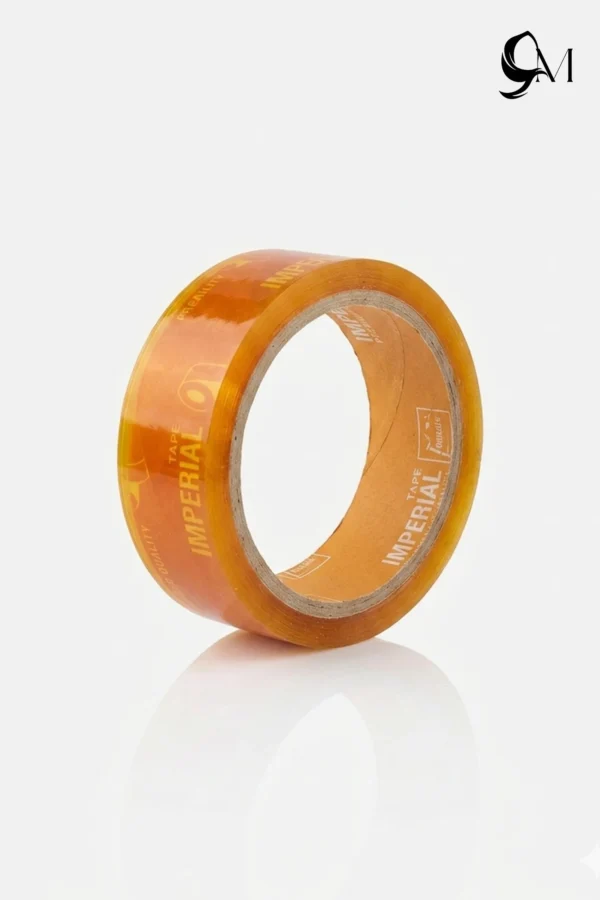

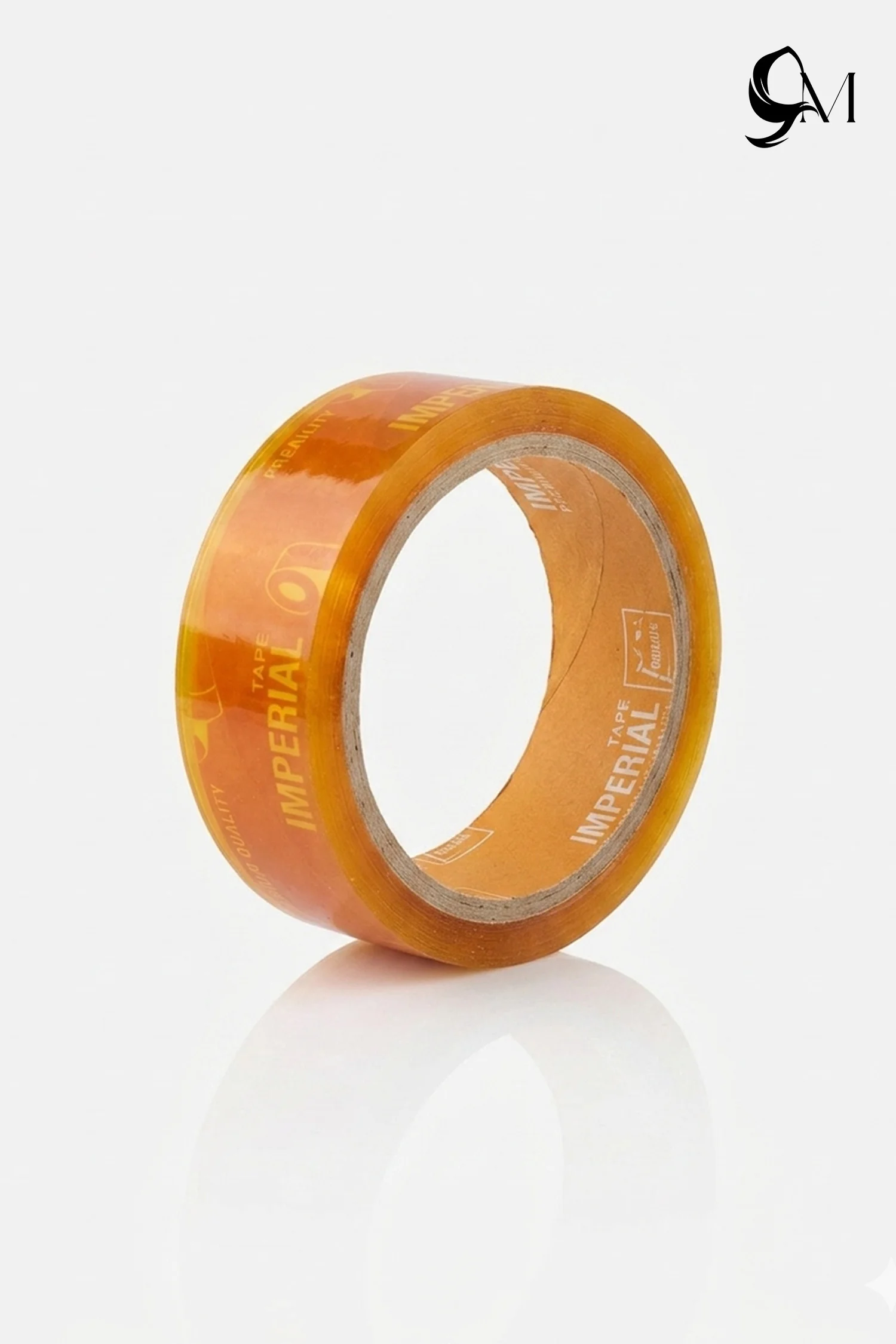
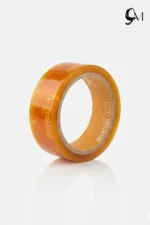



Scotch Tape 1 Inch for Flawless Sealing and Invisible Paper Repairs
Torn textbook pages, messy glue smudges, and split parcel flaps ruin valuable time during busy school and office hours. Using wet liquid glue wrinkles thin paper sheets and leaves sticky residue across your workspace. Switching to high-clarity cellophane tape or durable clear cellophane tape keeps your essential documents pristine and securely bound without blocking underlying printed text.
High-Performance Scotch Tape 1 Inch for Everyday Use
Our 1-inch scotch tape delivers instant, crystal-clear bonding for school craft projects, textbook binding, and office paperwork. Engineered with a premium scotch tape adhesive layer on high-strength BOPP film, this transparent tape 1 inch roll unwinds smoothly without splitting midway. It provides an invisible finish that ensures your scotch transparent tape 1 inch application stays clear without turning yellow over time. Whether you need versatile transparent tape or reliable all tape scotch strength for sealing lightweight packages, this roll delivers immediate holding power.
Imagine mending torn currency notes, wrapping Eid presents without ugly lines, and shielding paper address labels from rain smudges. Using a premium clear scotch tape, smooth scotch transparent tape, or classic sellotape gives students, bank tellers, and shopkeepers total confidence when handling daily chores. This clear transparent tape adheres firmly to white paper and cardboard, outperforming standard white transparent tape, simple clear tape, or decorative transparent colored tape during heavy craft tasks. As Pakistan's most loved packaging essential, it offers unbeatable value compared to typical sellotape price or cellophane tape price options in local markets. You get the best scotch tape performance with zero sticky finger residue every single time.
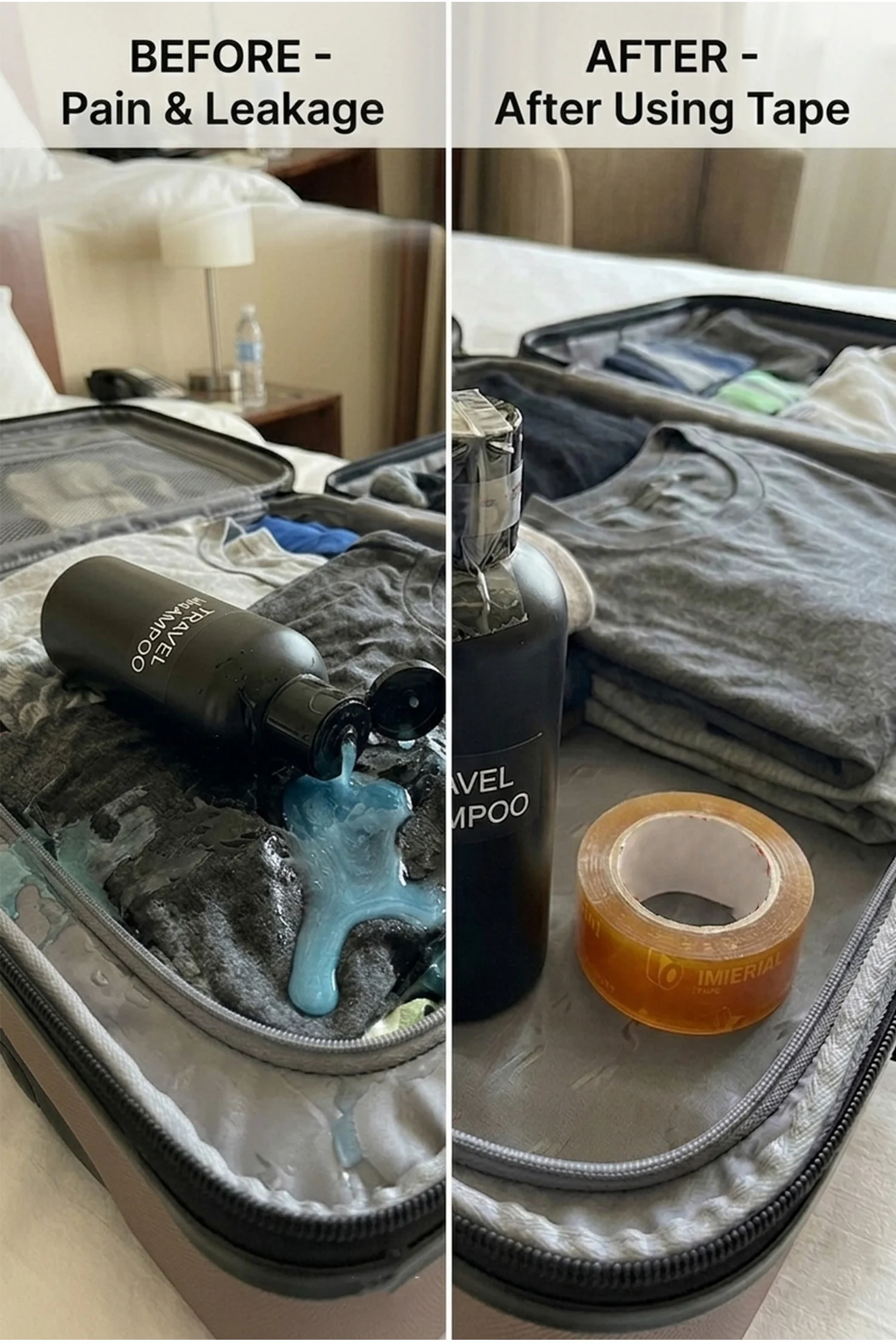
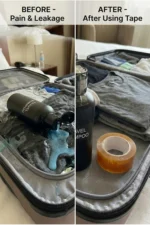
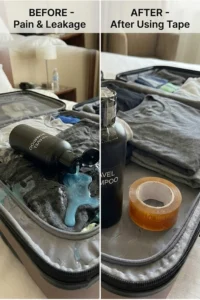
Imagine you are traveling, and when you arrive at your destination and start to relax, and then you open your luggage only to find that your fragrance-free shampoo has leaked. What a frustrating scene! Here's what went wrong: the weight of the luggage put pressure on the bottle, causing the cap to break, and you didn’t use transparent tape to secure it and prevent such an incident.
What is the Scotch Tape Price?
The current Scotch tape price in Pakistan is 250rs. It is important to note that this price may vary based on several external factors, such as changes in manufacturing costs, market demand, and economic conditions. This means that fluctuations in these factors could lead to an increase or decrease in the price of our best scotch tape at our time.
Upgrade your stationery supplies today with genuine 1-inch scotch tape from Munawer.Pk. We offer the lowest scotch tape price in pakistan with fast cash on delivery nationwide, saving you from high scotch tape cost elsewhere.
Shop now at Munawer.Pk for the best scotch tape price and enjoy reliable sealing at your doorstep.
Scotch Tape — Precision Specs & Core Performance Detail
-
Biaxially Oriented Polypropylene (BOPP) film → provides high tensile strength, preventing tears during heavy office bundling tasks
-
Scotch tape 1 inch width design → fits standard packaging dispensers and offers optimal surface coverage for paper repairs
-
Pressure-sensitive acrylic scotch tape adhesive layer → grips paper instantly without requiring liquid drying time or water activation
-
High-clarity clear scotch tape finish → allows printed text, handwritten notes, and bar codes underneath to remain fully readable
-
Non-yellowing transparent tape 1 inch construction → preserves original book covers and official documents over long-term archive storage
-
Full 40-yard cellophane tape length per roll → delivers extended usage for school projects without frequent roll replacements
-
White transparent tape backing profile → leaves a neat, invisible seal on white office paper and gift wrappers
-
Water-resistant clear tape barrier → shields handwritten delivery address labels on parcels from rain or liquid smudges
-
Compact roll core architecture → fits neatly into geometry boxes, desk drawers, and standard tabletop tape cutters
-
Economical scotch tape price in pakistan offering → ensures bulk household sealing utility at low cost per yard
Available as 100% genuine inventory directly through namaz chadar pk partner store Munawer.Pk, verified for exact 24mm (1-inch) width dimensions and full yardage standards.
Real Questions About 1 Inch Scotch Tape — Real Answers
Q: Will this 1-inch transparent tape leave yellow stains or cover printed text on documents and books?
A: No. Our 1 inch transparent tape uses high-clarity Biaxially Oriented Polypropylene (BOPP) film with a crystal-clear acrylic adhesive layer. It stays completely transparent (“Sheesha”) without turning yellow or clouding over time, making it ideal for mending torn currency notes, textbook pages, or taping directly over handwritten address labels without obscuring the underlying ink.
Q: Is this scotch tape adhesive strong enough for sealing light packages and school craft projects?
A: Yes, it features high-tack acrylic pressure-sensitive adhesive designed for instant bonding on paper, cardboard, plastic wraps, and light packaging and liquid sealing. It holds firmly on clean surfaces without peeling off over time. For best performance, make sure the surface is free of water, oil, or dust before applying.
Q: Can I stick this clear scotch tape onto damp surfaces or outdoor labels during rainy weather?
A: While the top BOPP plastic surface of this clear scotch tape is water-resistant and shields paper labels from rain drops, the adhesive backing needs a clean, dry surface to grip properly. If applied to wet or greasy surfaces, it will lose stickiness and peel off. Always dry the paper or plastic container thoroughly before taping.
Q: How do I easily find the starting edge on a clear cellophane tape roll without it tearing vertically?
A: Cheap tapes often split into thin vertical shreds when unrolled, but our premium clear cellophane tape unwinds smoothly in one clean, uniform strip. To easily find the start edge every time, simply fold a tiny corner of the tape back onto itself after cutting, or store the roll inside a standard desktop tape dispenser.
Q: How does the scotch tape price in Pakistan compare on Munawer.Pk, and what are the delivery options?
A: The scotch tape price in Pakistan for a 1-inch roll Rs. 180 depending on the yardage and brand quality. At Munawer.Pk, we supply full-length rolls with guaranteed yardage so you never receive short measures. Standard Cash on Delivery (COD) shipping takes 4 to 6 working days, and you can open and inspect your parcel before paying on delivery. For urgent school or office requirements, overnight air shipping is available for prepaid orders with 2 to 3 working days delivery (Sundays excluded).
Q: What is scotch tape and what makes it different from other adhesive tapes?
A: Scotch tape is a transparent, pressure-sensitive adhesive tape made from a thin, clear plastic film (typically cellulose acetate or biaxially oriented polypropylene) coated on one side with a pressure-sensitive adhesive that bonds to surfaces when pressed without requiring heat, water, or solvent activation. What distinguishes scotch tape from other adhesive tapes is its combination of transparency, light-tack adhesion, and clean removability — it is designed for light-duty bonding tasks where visibility of the tape is undesirable and where the bond needs to hold reliably but not necessarily permanently.
Q: What does the term scotch tape mean and how did it get its name?
A: The term “Scotch tape” originated as a brand name from the 3M company in the United States in the 1930s, and the story behind the name reveals an interesting piece of industrial history. In 1925, a 3M engineer named Richard Drew developed a masking tape for automobile painters. When he presented an early prototype to painters who found it had adhesive only on the edges rather than the full surface, one frustrated painter reportedly told him to “take it back to your Scotch bosses and tell them to put more adhesive on it” — “Scotch” being a period slang term for frugal or cheap, referring to the Scottish stereotype of thriftiness. 3M embraced the name humorously, and when Drew later developed clear cellulose tape in 1930, it was branded “Scotch Brand Cellulose Tape.” The name became so dominant in American and global markets that “scotch tape” became a genericized trademark — like “xerox” for photocopying — used to refer to all transparent adhesive tapes regardless of manufacturer, including in Pakistan where the term is universally understood to mean any clear sticky tape.
Q: Why is transparent adhesive tape called scotch tape?
A: (Already answered above.)
Q: What materials is scotch tape made of that give it its transparent and sticky properties?
A: Scotch tape’s transparent and adhesive properties come from a specific combination of materials:
The backing film:
- Cellulose acetate — the original material; derived from plant cellulose; naturally transparent, biodegrades over time (which is why old scotch tape yellows and becomes brittle)
- Biaxially Oriented Polypropylene (BOPP) — the modern standard for most transparent tapes; a petroleum-derived plastic film stretched in two directions to create exceptional clarity, strength, and dimensional stability; doesn’t yellow as quickly as cellulose acetate
The adhesive layer:
- Acrylic adhesive — the most common modern formulation; a water-based polymer that is permanently tacky at room temperature; provides good initial tack, reasonable final strength, and relatively clean removal; UV-resistant so it doesn’t degrade as quickly
- Rubber-based adhesive — used in some formulations for higher initial tack; can yellow over time and leave more residue
- Solvent-based adhesives — used in high-performance variants
Additional components:
- A release coating on the outer surface of the film that allows the tape to unwind from the roll without sticking to itself
- Sometimes a primer layer between film and adhesive to improve adhesion between these two components
Q: What is sellotape and how is it different from regular scotch tape?
A: Sellotape is a brand name for transparent adhesive tape that originated in the United Kingdom — it is the British equivalent of the American “Scotch tape” brand. Sellotape was first manufactured in 1937 by a British company and became so dominant in the UK market that, like Scotch tape in America, the brand name became genericized to mean any transparent adhesive tape in British English usage. The functional difference between Sellotape (as a brand) and Scotch tape (as a brand) is minimal for everyday use — both are transparent, pressure-sensitive adhesive tapes used for general light-duty bonding. The original Sellotape was made from cellulose (plant-based), which is why older Sellotape yellows and becomes brittle with age, while modern versions use polypropylene film similar to most current Scotch tape products. In Pakistan, “scotch tape” is the universally understood term while “sellotape” is occasionally used in more formal or imported product contexts — both refer to the same category of clear adhesive tape.
Q: What does adhesive tape mean and what are its core properties?
A: Adhesive tape is any strip of flexible backing material coated with a pressure-sensitive adhesive on one or both sides that bonds to surfaces through applied pressure without requiring additional activation. The term encompasses a massive range of products from scotch tape and masking tape to surgical tape and industrial bonding tapes. The core properties that define all adhesive tapes:
Tack: The immediate stickiness felt when the tape first contacts a surface — how quickly and strongly it bonds with minimal pressure
Adhesion: The sustained bond strength between the tape and the surface it’s applied to — distinct from initial tack
Cohesion: The internal strength of the adhesive layer itself — a tape with poor cohesion leaves residue because the adhesive splits internally rather than releasing cleanly from the surface
Backing strength: The tensile strength and flexibility of the film, paper, or fabric that carries the adhesive — determines how much the tape can stretch or resist tearing
Temperature resistance: The range of temperatures within which the adhesive maintains its intended bond strength
Conformability: How well the tape molds to irregular or curved surfaces
Q: What are the most common uses of adhesive tape in everyday life?
A: Adhesive tape — particularly transparent scotch tape — serves an extraordinarily wide range of everyday purposes in Pakistani homes, offices, and businesses:
Office and stationery:
- Joining torn paper documents and book pages
- Attaching notes, photos, and printed materials to surfaces
- Sealing envelopes and document pouches
- Labeling and marking files and folders
Household:
- Gift wrapping and packaging
- Temporary repairs of torn items — packaging, clothing, household objects
- Securing loose wallpaper edges
- Cable and wire management
School and creative:
- Art and craft projects
- Science project construction
- Securing display boards and poster presentations
- Book covering and protection
Business and commerce:
- Sealing boxes and packages for dispatch
- Securing price labels and product information
- Display and signage mounting
Specialized applications:
- Medical — securing bandages and dressings (medical-grade tape)
- Electrical — insulating wire connections (electrical tape)
- Painting — masking edges (masking tape)
- Construction — sealing joins in vapor barriers and insulation
Q: What are the different practical uses of transparent adhesive tape?
A: (Already answered above.)
Q: What are the most popular and practical uses of scotch tape in daily life?
A: (Already answered above — refer to the everyday uses section.)
Q: What are the different types of scotch tape available and when should each be used?
A: The scotch tape category has expanded significantly beyond the original single product:
Standard transparent scotch tape:
- The classic general-purpose product; light to medium tack; suitable for paper, light packaging, and general bonding
- Best for: gift wrapping, paper joining, light office use
Magic/Matte scotch tape:
- Appears frosted/matte on the roll but becomes nearly invisible when applied; can be written on with pen or pencil
- Best for: corrections, invisible repairs on documents, writing labels
Double-sided scotch tape:
- Adhesive on both sides; available in foam-core and flat versions
- Best for: mounting photos and decorations, craft projects, joining two surfaces invisibly
Heavy-duty or strapping tape:
- Reinforced with glass fiber strands for higher tensile strength
- Best for: securing heavy packages, bundling items
Scotch mounting tape:
- Foam-core double-sided tape with removable adhesive
- Best for: wall mounting of lightweight decorations without permanent damage
Scotch packaging tape:
- Higher adhesion and heavier backing than standard scotch tape
- Best for: sealing cardboard boxes and parcels
Scotch masking tape:
- Paper-based, easily removable; can be painted over
- Best for: painting edges, temporary labeling, surface protection
Q: What are the main types of adhesive tape and how do they differ?
A: The adhesive tape universe covers dozens of distinct product categories:
By backing material:
- Polypropylene film — most transparent tapes; clear, strong, affordable
- Paper — masking tape, kraft tape; paintable, easily torn, less moisture resistant
- Fabric/cloth — duct tape, gaffer tape; very high strength, conformable
- Foam — mounting tapes; provides gap-filling and vibration dampening
- Foil — aluminum and copper tapes; conductive or heat-reflective
- Non-woven — surgical and medical tapes; breathable and skin-gentle
By adhesive type:
- Acrylic adhesive — most general-purpose tapes; good UV and temperature resistance
- Rubber adhesive — higher immediate tack; less UV stable
- Silicone adhesive — extreme temperature resistance
- Removable adhesive — designed for clean removal without residue
By bond permanence:
- Permanent adhesive tapes — form increasingly strong bonds over time
- Repositionable tapes — can be removed and reapplied without losing adhesion
- Removable tapes — designed for temporary bonds with clean removal
Q: What are the different types of sellotape available for various household and office needs?
A: (Already answered — the Sellotape brand offers the same product range as described in the scotch tape types section. In UK market terms: standard transparent, magic tape, double-sided, and specialty variants all exist under the Sellotape brand name with equivalent functionality to their Scotch tape counterparts.)
Q: What is the difference between cellophane tape and scotch tape?
A: This distinction traces the history of transparent tape materials:
Cellophane tape (original):
- Made from regenerated cellulose film (cellophane) — a plant-derived material
- The original transparent tape material used from the 1930s through much of the 20th century
- Biodegradable over time
- Yellows, becomes brittle, and loses adhesion with age — the characteristic failure mode of old tape on documents and photos
- Slightly less clear than modern alternatives
- Currently less common in new products though some eco-focused brands have returned to cellulose-based films
Modern scotch tape (BOPP):
- Made from biaxially oriented polypropylene — a petroleum-derived plastic
- Superior clarity and does not yellow as quickly
- Better moisture resistance
- More dimensionally stable — doesn’t shrink or expand as much with temperature and humidity changes
- Longer functional lifespan than cellulose tape
In common Pakistani usage, “cellophane tape” and “scotch tape” are used interchangeably for any clear adhesive tape regardless of the actual backing material — the technical distinction matters primarily in archival, conservation, and industrial contexts.
Q: What is the difference between sellotape and scotch tape, and can they be used interchangeably?
A: For practical everyday purposes, sellotape and scotch tape are functionally identical and completely interchangeable — both are transparent pressure-sensitive adhesive tapes for general use. The only differences are:
- Brand origin: Scotch tape (3M, American brand); Sellotape (British brand, originally British company, now owned by Henkel)
- Market geography: Scotch tape dominant in American-influenced markets; Sellotape dominant in British-influenced markets
- Minor formulation variations between specific products within each brand’s range
In Pakistan — which has both British historical influence and strong American commercial presence — both terms are understood but “scotch tape” is more commonly used in everyday speech and in the market. For all practical purposes, any quality transparent adhesive tape serves the same function regardless of brand name.
Q: What is the difference between squash tape and scotch tape in terms of strength and use?
A: Squash tape is a specific type of adhesive tape used primarily in the sport of squash for wrapping the handle of a squash racket:
Squash tape:
- A specialized grip tape typically made from PU (polyurethane) or toweling material
- Designed for comfortable, non-slip grip during athletic activity
- Absorbs sweat while maintaining grip
- Has moderate adhesive backing to stay on the racket handle during play
- Not intended for general bonding or surface adhesion purposes
- Available in various textures — perforated, ribbed, or smooth
Scotch tape:
- A general-purpose transparent adhesive tape for surface bonding
- Not suitable for grip applications — too thin and smooth to provide hand grip
- Designed for paper, packaging, and surface adhesion rather than athletic equipment wrapping
The two products share the “tape” descriptor but are completely different products for completely different purposes with no meaningful functional overlap.
Q: What are the standard specifications of scotch tape in terms of width, length, and adhesive strength?
A: Standard scotch tape specifications vary by intended use:
Film thickness: 25 to 50 microns (0.025 to 0.05mm) for standard transparent tape; heavier packing tapes up to 80 microns
Standard widths:
- 12mm (½ inch) — narrow; for precise application, small repairs
- 18mm (¾ inch) — the most common stationery size
- 24mm (1 inch) — general office and household use
- 48mm (2 inches) — light packaging and broader bonding
- 72mm (3 inches) — heavier packaging applications
Standard roll lengths:
- 10 to 33 meters — small stationery rolls for dispensers
- 50 to 66 meters — medium office rolls
- 100 to 500 meters — industrial/commercial bulk rolls
Adhesive strength:
- Standard stationery tape: 2 to 4 N/cm peel strength
- Packaging tape: 4 to 8 N/cm peel strength
- Heavy duty tape: 8 N/cm and above
Core diameter: 25mm (1 inch) inner diameter for standard dispensers; 76mm (3 inch) for larger commercial rolls
Q: What sizes are available for transparent scotch tape and which is best for general use?
A: (Already answered above — 18mm width is most common for general stationery use; 24mm (1 inch) is the best all-purpose size for home and office use covering the widest range of tasks effectively.)
Q: When should you use a 1-inch scotch tape over other sizes?
A: A 1-inch (24mm to 25mm) scotch tape is the most versatile single size for general use because:
- Wide enough to provide a strong bond across significant surface area
- Narrow enough for precise application on documents, gift wrap, and crafts
- The standard size for most tape dispensers
- Provides better coverage than 12mm or 18mm tape for joining torn documents — the wider bond is less likely to re-tear
- Handles light packaging tasks adequately without the excessive width of 2-inch tape that would be wasteful for paper-based tasks
Choose 1-inch tape when you want one size that handles the majority of home, office, and school tasks without switching between different widths.
Q: What is a 2-inch scotch tape best used for?
A: A 2-inch (48mm) transparent or clear tape is most appropriate for:
- Light to medium box sealing — covering the seam of small to medium cardboard boxes adequately
- Joining wider documents or poster sheets — one pass covers the join rather than needing multiple overlapping strips
- Securing large gift wrapping — faster coverage of large wrapped surface areas
- Splicing wide rolls of paper or film — in printing and packaging operations
- Reinforcing box edges — applying along the corners of packages for added strength
The 2-inch width is the transition size between stationery tape and true packing tape — it handles tasks too wide for standard office tape but doesn’t have the full adhesive strength of dedicated 2-inch packaging tape.
Q: What are the ideal applications for a 3-inch wide transparent scotch tape?
A: Three-inch (72mm to 75mm) tape is primarily a commercial and industrial format:
- Heavy carton sealing — large commercial boxes and shipping cartons where maximum seam coverage is needed
- Bundling large items — securing multiple items together for shipping
- Laminating large surfaces — temporary surface protection during construction or transport
- Wide document lamination — protecting large format printed materials
- Industrial packaging lines — automated tape application machines often use 3-inch rolls for speed and coverage
For home and office use, 3-inch tape is rarely necessary — it’s most relevant for Pakistani small businesses engaged in packaging and shipping, and for larger e-commerce operations where box sealing efficiency is important.
Q: What is thick clear tape used for and how is it different from regular transparent tape?
A: Thick clear tape — typically 50 to 80+ micron film thickness versus standard 25 to 38 micron — is differentiated by:
Increased tear resistance: Thicker film is significantly harder to tear accidentally during application, making it practical for packaging tasks where tape strength matters
Higher adhesive capacity: The thicker backing allows a heavier adhesive coat that provides stronger, more reliable bonds on varied surfaces including cardboard, plastic, and metal
Applications:
- Heavy-duty packaging and sealing of boxes that will be handled in transit
- Outdoor applications where standard tape would fail due to UV, moisture, or temperature variation
- Surface protection during construction, renovation, or transport
- Securing items to pallets or bundling heavy materials
Difference from regular tape: Regular standard scotch tape tears easily with light force — useful for office tasks where easy tearing is a convenience. Thick clear tape requires scissors to cut cleanly and provides a bond that resists the stresses of physical handling during shipping.
Q: What is clear packing tape and how is it different from regular scotch tape?
A: Clear packing tape and regular scotch tape are both transparent but serve distinctly different purposes:
Clear packing tape:
- Heavier film (typically 40 to 80 microns)
- More aggressive adhesive formulation for permanent bonding to cardboard, plastic, and varied surfaces
- Designed to maintain bond integrity through the stresses of shipping — vibration, temperature changes, humidity, and physical handling
- Typically comes on larger rolls (50 to 100 meters)
- Resists moisture and does not release from surfaces in transit
- Not designed for clean removal — leaves significant residue when removed
Regular scotch tape:
- Thinner film (typically 25 to 38 microns)
- Lighter tack adhesive for clean bonding and easier removal
- Designed for paper, light surfaces, and tasks requiring precise application
- Typically on smaller rolls (10 to 33 meters)
- Can be removed relatively cleanly from most surfaces
- Not reliable for packaging — too thin and low-tack for boxes that will be handled in transit
Using regular scotch tape to seal packages is a common mistake in Pakistani home shipping — the tape releases under handling stress, resulting in boxes opening in transit. Always use dedicated packing tape for parcels.
Q: Is scotch tape strong enough for packing boxes and parcels?
A: (Already answered above — regular scotch tape is not reliable for packing boxes. Use dedicated packing/packaging tape with a stronger adhesive and heavier film for any parcel that will be handled in transit.)
Q: What type of adhesive packaging tape is best for sealing boxes and parcels?
A: For Pakistani consumers sealing boxes for local courier services (TCS, Leopards, Call Courier) or Pakistan Post:
Best options:
- BOPP packaging tape (2-inch or 3-inch): The standard recommendation; clear, strong adhesion to cardboard, moisture resistant, affordable and widely available at stationery shops and Daraz
- Kraft paper tape: Paper-based with strong adhesive; excellent for heavy boxes; more eco-friendly than plastic tape; can be written on
- Reinforced strapping tape: For very heavy packages; glass fiber reinforcement prevents tape from stretching or tearing under load
What to avoid:
- Regular office scotch tape — insufficient adhesion for transit stress
- Electrical tape — not designed for packaging
- Masking tape — paper-based and not moisture resistant; releases easily
Application tip: Always apply at least two overlapping strips along the full length of the box seam — a single strip of tape regardless of quality is insufficient for boxes heavier than 2 to 3kg.
Q: What is the scotch tape technique and in what fields is it commonly applied?
A: The “scotch tape technique” refers to several distinct methodologies across different fields that use transparent tape as a functional tool:
In materials science (most famous application):
The scotch tape technique — also called mechanical exfoliation or the “Scotch tape method” — is the process used by Andre Geim and Konstantin Novoselov to isolate graphene in 2004, earning them the 2010 Nobel Prize in Physics. The method involves pressing scotch tape against graphite to lift layers of material, folding the tape to further thin the layers, and transferring them to a substrate. The simplicity of using ordinary scotch tape to produce single-atom-thick graphene layers is one of the most remarkable examples of accessible scientific methodology.
In dermatology (skin testing):
Tape stripping — applying transparent tape to skin and removing it repeatedly to collect corneocytes (skin cells) and assess skin barrier function and transepidermal water loss.
In quality testing:
The cross-hatch adhesion test uses scotch tape to evaluate how well paint or coating adheres to a substrate — a standardized test in industrial coating quality assessment.
In parasitology:
The cellophane tape test (described below) for detecting pinworm eggs.
Q: What is the cellophane tape test and how is it performed?
A: The cellophane tape test — also called the Graham’s test or pinworm tape test — is a simple diagnostic procedure used in parasitology to detect pinworm (Enterobius vermicularis) eggs, which are deposited around the anal area at night by adult female worms:
Procedure:
- First thing in the morning, before bathing, using the toilet, or any cleaning of the anal area
- Press a small strip of transparent cellophane or scotch tape against the skin around the anal opening and perianal area
- Apply firmly enough for the tape to pick up any eggs or debris from the skin surface
- Place the tape sticky-side down onto a clean glass microscope slide
- Take the prepared slide to a medical laboratory or doctor
- A laboratory technician examines the slide under a microscope for the characteristic oval, flattened-on-one-side pinworm eggs
Clinical context in Pakistan: Pinworm infection is extremely common in Pakistani children — estimates suggest very high prevalence in school-age children. The cellophane tape test is a simple, inexpensive, and reliable diagnostic tool that requires no specialized equipment beyond a strip of transparent tape and a glass slide. Parents concerned about pinworm in children should perform the test on three consecutive mornings for maximum sensitivity since egg deposition doesn’t occur every night.
Q: What is the scotch tape test and in what contexts is it used?
A: The term “scotch tape test” refers to several different specific tests across contexts:
In coating and paint testing (most technical use):
The standardized cross-hatch adhesion test (ASTM D3359) involves cutting a grid pattern into a painted or coated surface, applying scotch tape over the grid, and pulling it off sharply. The percentage of coating that lifts with the tape determines the adhesion rating of the coating — a standard quality control procedure in the paint, automotive, and industrial coating industries.
In parasitology:
The pinworm diagnostic test described above.
In semiconductor and materials research:
The mechanical exfoliation technique for producing 2D materials like graphene described in the scotch tape technique section.
In document examination:
Forensic document examiners use tape-based tests to detect alterations, additions, or substitutions in questioned documents — applying tape to suspected areas and examining what transfers.
Q: How do you use double-sided scotch tape correctly?
A: Double-sided tape requires specific technique to achieve the best results:
Surface preparation:
- Clean both surfaces that will be bonded — dust, oil, and moisture all significantly reduce adhesion
- Allow cleaned surfaces to dry completely before applying tape
Application:
- Cut the required length of tape before peeling the liner
- Apply the tape to one surface, pressing firmly along the full length to ensure complete contact
- Peel the release liner from the exposed adhesive side — handle carefully to avoid contaminating the adhesive with fingerprints
- Carefully position the second surface before making contact — repositioning is difficult once the surfaces touch
- Press firmly along the entire bond area, applying consistent pressure for 10 to 30 seconds
For foam-core double-sided tape:
- The foam provides gap-filling capability — compress it slightly for maximum bond strength
- Foam tape bonds increase in strength over 24 to 72 hours after application as the adhesive flows into surface irregularities
Common mistakes to avoid:
- Stretching the tape during application — reduces final bond strength
- Applying to wet or dusty surfaces
- Insufficient pressure during application
- Expecting immediate full bond strength — most pressure-sensitive adhesives reach maximum strength after 24 hours
Q: How do you effectively remove scotch tape residue from surfaces without causing damage?
A: Scotch tape residue — the sticky, often yellowish-brown adhesive film left after tape removal — is one of the most common household nuisance problems. The removal approach should be matched to the surface:
General residue removal principles:
- Always test any solvent or removal method on an inconspicuous area first
- Work gently — rubbing aggressively spreads the residue and can damage the surface
- Apply the removal agent, allow it to penetrate for 1 to 2 minutes, then wipe rather than scrub
Most effective removal agents by surface:
Paper/documents:
- Use an eraser (art eraser or kneaded eraser) gently — rolling motion rather than rubbing
- Never use liquid solvents on paper — they cause water damage and staining
Glass:
- Rubbing alcohol (isopropyl alcohol) — apply on a cloth, allow to soften residue, wipe clean
- White vinegar — effective for light residue
- Nail polish remover (acetone) — effective but confirm glass doesn’t have any coating that acetone could damage
Plastic:
- Vegetable oil or baby oil — apply, let sit 2 to 3 minutes, wipe off; safe for most plastics
- Rubbing alcohol at low concentration — test first as some plastics are alcohol-sensitive
- Avoid acetone on plastic — dissolves or permanently marks most plastic surfaces
Wood:
- Cooking oil or peanut butter — the oil penetrates the adhesive; wipe clean and follow with mild soap
- WD-40 — effective on sealed/varnished wood; avoid on unfinished wood
Fabric:
- Apply cooking oil, rub gently, then wash with dish soap before laundering
Q: How do you safely remove scotch tape residue from painted walls without peeling paint?
A: Painted walls require the most cautious approach to residue removal since aggressive solvents or rubbing can damage or remove the paint:
Safest methods for painted walls:
Warm soapy water (first attempt):
- Mix mild dish soap in warm water
- Apply with a soft cloth, allow to sit for 1 to 2 minutes
- Gently wipe in one direction — circular rubbing can dull paint sheen
- Dry immediately to prevent water marks on matte paint
Cooking oil or coconut oil (for stubborn residue):
- Apply a small amount to the residue
- Allow 5 minutes to penetrate
- Wipe gently — the oil dissolves the adhesive polymer without attacking most wall paint
- Clean remaining oil with a damp soapy cloth
Rubbing alcohol (for gloss or semi-gloss painted surfaces only):
- NOT recommended for flat/matte paint — alcohol strips sheen from matte finishes
- On gloss walls: apply with a cotton ball, press rather than rub, and test in a hidden area first
What to avoid on painted walls:
- Acetone/nail polish remover — removes paint
- Abrasive scrubbing pads — scratch painted surfaces
- Strong alkaline cleaners — saponify some paint binders
- Dry scraping — scratches and marks paint permanently
Q: What is the best way to remove scotch tape residue from glass surfaces?
A: Glass is one of the most forgiving surfaces for residue removal because it can withstand most solvents without damage:
Most effective methods:
Rubbing alcohol (isopropyl alcohol 70%+):
- Apply to a cloth or cotton pad
- Press against residue for 1 to 2 minutes to soften it
- Wipe away in one direction
- Follow with glass cleaner for streak-free finish
White vinegar:
- Soak a cloth in undiluted white vinegar
- Apply to residue and allow to sit for 3 to 5 minutes
- The acetic acid dissolves the adhesive polymer effectively
- Wipe clean with a dry cloth
Cooking oil:
- Apply a small amount to the residue
- Let sit 5 minutes then rub gently with a cloth
- The oil penetrates and releases the adhesive
- Follow with glass cleaner to remove oil film
Razor blade (for thick or old hardened residue on flat glass only):
- Hold a single-edge razor blade at approximately 30 degrees to the glass surface
- Carefully scrape the residue off without scratching
- Follow with alcohol to remove remaining film
- Only use on flat glass — never on curved, frosted, or coated glass
Q: How do you remove stubborn scotch tape residue from plastic surfaces safely?
A: (Already answered in the general residue removal section — cooking oil and low-concentration rubbing alcohol are the safest options; acetone must always be avoided on plastic.)
Q: How can you safely remove scotch tape residue from a car’s surface without scratching it?
A: Car surfaces — both painted panels and glass — require careful residue removal to avoid scratching the paint or clear coat:
For car paint/panels:
WD-40:
- The most recommended product for adhesive residue on car paint
- Spray directly on the residue, allow 2 to 3 minutes
- Wipe with a clean microfiber cloth using straight (not circular) strokes
- Wash the area with car shampoo to remove WD-40 residue
- Apply car wax to the area after cleaning to protect the paint
Tar and adhesive remover (automotive product):
- Specifically formulated for removing adhesives from car paint
- Safe for clear coat and won’t cause dulling
- Available at auto parts shops in Pakistan (Hafeez Centre in Lahore, Tariq Road in Karachi)
Rubbing alcohol (isopropyl, 70%):
- Safe for most modern automotive paint with clear coat
- Apply to microfiber cloth — never directly on paint
- Dab and lift rather than scrub
- Follow with car wax application
What to avoid on car surfaces:
- Acetone — dissolves automotive clear coat permanently
- Abrasive pads or paper towels — scratch paint
- Petrol/gasoline — damages paint and seals
For car glass: The same glass methods apply — rubbing alcohol, white vinegar, or careful razor blade use on flat glass surfaces.
Q: How do you safely and painlessly remove tape adhesive residue from skin?
A: Tape residue on skin — a common experience after medical dressings, sporting tape, or accidental skin contact — can be removed comfortably:
Most gentle and effective methods:
Baby oil or coconut oil:
- The safest and most comfortable method for skin
- Apply oil generously to the residue
- Allow 1 to 2 minutes for the oil to penetrate between the adhesive and skin
- Rub gently in circular motions — the residue rolls off the skin
- Wash the area with mild soap afterward
Petroleum jelly (Vaseline):
- Apply thickly and leave for 5 minutes
- Works by the same oil penetration mechanism
- Particularly good for sensitive skin or children
Rubbing alcohol:
- Effective but can be drying and mildly stinging on broken or sensitive skin
- Not recommended for infants, broken skin, or mucous membranes
- Apply with a cotton ball, rub gently, then moisturize afterward
Warm soapy water with patient soaking:
- For gentle removal without any product — soak the area in warm soapy water for 5 to 10 minutes and the adhesive softens sufficiently to roll off
Q: What are the most effective household methods for cleaning scotch tape residue?
A: (Already answered across the surface-specific sections above. Summary: cooking oil works on most household surfaces; rubbing alcohol works on glass, metal, and hard surfaces; warm soapy water handles light fresh residue; WD-40 is excellent for metals and car surfaces; baby oil is safest for skin.)
Q: How do you cleanly remove scotch tape from glass without leaving marks?
A: (Already answered — refer to “What is the best way to remove scotch tape residue from glass surfaces?” above.)
Q: What is squash tape and what is it primarily used for?
A: (Already answered — refer to “What is the difference between squash tape and scotch tape?” Squash tape is a specialized grip tape for wrapping squash racket handles, providing non-slip grip and sweat absorption during play.)
Q: What is solution tape and how does it differ from regular transparent scotch tape?
A: Solution tape — also sometimes called solvent tape or solution-based adhesive tape — refers to tape that uses a solvent-activated rather than pressure-sensitive adhesive system. The key differences from regular scotch tape:
Adhesive activation mechanism:
- Regular scotch tape: bonds through pressure alone — press and it sticks immediately
- Solution tape: requires a solvent (usually water or a specific chemical activator) to activate the adhesive — like the gummed envelope or old-style postage stamp principle
Bond characteristics:
- Solution tape typically forms a harder, more permanent bond once the solvent evaporates and the adhesive sets
- Less repositionable than pressure-sensitive scotch tape
- Often stronger final bond than equivalent pressure-sensitive tape
Applications:
- Water-activated kraft tape (gummed tape) — used for sealing boxes in professional packaging; forms an exceptionally strong bond with cardboard as it penetrates the surface fibers
- Some specialty industrial tapes requiring specific solvent activation
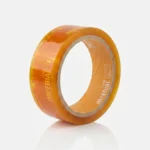 Scotch Tape 1 Inch: Pakistan's #1 Strong Adhesive Transparent Tape

3rd time ordering this sellotape. Roll unwinds smoothly without tearing into strips. Definately better than the cheap local rolls I bought before.

Excellent transparent tape. i uesd tape to seal my liquied based items for my travel.

Bohat acha product hai. Clear scotch tape bilkul smooth roll hoti hai, school project ke liye use ki aur qualiy bohat achi lagi. Paisay wasool.

Delivery was quick and packing was secure. This transparent tape 1 inch sticks properly on gift wrapping and doesn't turn yellow. Will order again. 😊

Crystal clear scotch tape with strong adhesive. Used it for covering my son's school books and the pages still look neat. Great value for the price in Pakistan.
Why Scotch Tape Buyers Trust Munawer.Pk
Imagine opening your delivery parcel with complete peace of mind, knowing the stationery inside matches your exact expectations. No second-guessing whether the roll will split midway or if the adhesive will fail when you need it most. You deserve a seamless online shopping experience backed by genuine care, transparent policies, and swift home delivery. Munawer.Pk turns this effortless, worry-free feeling into reality for thousands of households, schools, and offices across Pakistan.
Your Guide to Premium Clear Adhesive Tape and Office Supplies
| What Matters to You | Munawer.Pk ✅ | Typical Online Sellers |
| Crystal Clear Visibility | ✅ Clear scotch tape with a high-transparency finish that never blocks underlying text or turns yellow | ⚠️ Low-grade cellophane tape options that yellow quickly or leave cloudy, sticky residue |
| Verify Before Paying | ✅ Open box policy allowing you to inspect your scotch transparent tape 1 inch order on COD with pre-dispatch video verification | ❌ Sealed parcel delivery rules where you cannot check quality or tape clarity before paying |
| Strong Hold and Quality | ✅ Reliable scotch tape adhesive engineered for instant, long-lasting stick power on paper and cardboard | ⚠️ Weak glue formulas where the tape peels off on its own after a few hours |
| Verified Customer Support | ✅ Rated 4.8 stars by 7481+ happy customers as a trusted source for all tape scotch needs | ⚠️ Unverified star ratings and inconsistent customer feedback across store listings |
| Fair Market Pricing | ✅ Transparent scotch tape price in pakistan with bulk savings and nationwide Cash on Delivery | ⚠️ Inflated sellotape price models with hidden shipping charges added at checkout |
| Sunnah-Aligned Service | ✅ Dedicated after-sales care adhering to Sunnah values with a 7 days easy returns and exchange policy | ❌ Zero return or exchange channels once the parcel is handed over |
| Established Legacy | ✅ 60+ years of retail excellence as a family-owned specialist store in Pakistan | ⚠️ Short-term online setups with no physical backing or specialist product knowledge |
Your daily office tasks, school projects, and packaging needs deserve reliable supplies from a store that values your peace of mind. By choosing our premium scotch tape 1 inch rolls, you secure long-lasting clarity, strong adhesion, and the full backing of over six decades of family-owned retail tradition. Check the latest scotch tape price, shop with Munawer.Pk today, and experience what buying with complete confidence actually feels like.
Eligibility for Returns:
You can request a return within 7 days from the date of delivery. To be eligible for a return, your item must be in the same condition that you received it, unworn or unused, with tags, and in its original packaging. You’ll also need the receipt or proof of purchase.
We recommend creating a video that showcases the unboxing of the product and provides an initial review.
Refund Process:
Upon approval of your return, we will initiate a refund to your original payment method. It may take a few business days for the funds to reflect in your account.
Return Shipping:
Customers are responsible for return shipping costs unless the return is due to a mistake on our part.
How to Request a Return:
To request a return, please contact our customer support team on WhatsApp at 0341 0738060 or email us at support@munawer.pk We will guide you through the process and provide you with the necessary instructions.
If your return is accepted, we’ll send you a return shipping label, as well as instructions on how and where to send your package. Items sent back to us without first requesting a return will not be accepted.
Damaged or Defective Items or Wrong Product or Never Arrived:
If you receive a damaged or defective item or the wrong product or product that never arrived, please contact us immediately with a video or photos of the product and its packaging. We will work to resolve the issue promptly. REMEMBER: YOU MUST MAKE VIDEO WHILE OPENING A PARCEL.
For more information Click here to visit: Refund and Refund Policy
Scotch Tape 1 Inch for Flawless Sealing and Invisible Paper Repairs
Torn textbook pages, messy glue smudges, and split parcel flaps ruin valuable time during busy school and office hours. Using wet liquid glue wrinkles thin paper sheets and leaves sticky residue across your workspace. Switching to high-clarity cellophane tape or durable clear cellophane tape keeps your essential documents pristine and securely bound without blocking underlying printed text.
High-Performance Scotch Tape 1 Inch for Everyday Use
Our 1-inch scotch tape delivers instant, crystal-clear bonding for school craft projects, textbook binding, and office paperwork. Engineered with a premium scotch tape adhesive layer on high-strength BOPP film, this transparent tape 1 inch roll unwinds smoothly without splitting midway. It provides an invisible finish that ensures your scotch transparent tape 1 inch application stays clear without turning yellow over time. Whether you need versatile transparent tape or reliable all tape scotch strength for sealing lightweight packages, this roll delivers immediate holding power.
Imagine mending torn currency notes, wrapping Eid presents without ugly lines, and shielding paper address labels from rain smudges. Using a premium clear scotch tape, smooth scotch transparent tape, or classic sellotape gives students, bank tellers, and shopkeepers total confidence when handling daily chores. This clear transparent tape adheres firmly to white paper and cardboard, outperforming standard white transparent tape, simple clear tape, or decorative transparent colored tape during heavy craft tasks. As Pakistan's most loved packaging essential, it offers unbeatable value compared to typical sellotape price or cellophane tape price options in local markets. You get the best scotch tape performance with zero sticky finger residue every single time.
Imagine you are traveling, and when you arrive at your destination and start to relax, and then you open your luggage only to find that your fragrance-free shampoo has leaked. What a frustrating scene! Here's what went wrong: the weight of the luggage put pressure on the bottle, causing the cap to break, and you didn’t use transparent tape to secure it and prevent such an incident.
What is the Scotch Tape Price?
The current Scotch tape price in Pakistan is 250rs. It is important to note that this price may vary based on several external factors, such as changes in manufacturing costs, market demand, and economic conditions. This means that fluctuations in these factors could lead to an increase or decrease in the price of our best scotch tape at our time.
Upgrade your stationery supplies today with genuine 1-inch scotch tape from Munawer.Pk. We offer the lowest scotch tape price in pakistan with fast cash on delivery nationwide, saving you from high scotch tape cost elsewhere.
Shop now at Munawer.Pk for the best scotch tape price and enjoy reliable sealing at your doorstep.
Scotch Tape — Precision Specs & Core Performance Detail
-
Biaxially Oriented Polypropylene (BOPP) film → provides high tensile strength, preventing tears during heavy office bundling tasks
-
Scotch tape 1 inch width design → fits standard packaging dispensers and offers optimal surface coverage for paper repairs
-
Pressure-sensitive acrylic scotch tape adhesive layer → grips paper instantly without requiring liquid drying time or water activation
-
High-clarity clear scotch tape finish → allows printed text, handwritten notes, and bar codes underneath to remain fully readable
-
Non-yellowing transparent tape 1 inch construction → preserves original book covers and official documents over long-term archive storage
-
Full 40-yard cellophane tape length per roll → delivers extended usage for school projects without frequent roll replacements
-
White transparent tape backing profile → leaves a neat, invisible seal on white office paper and gift wrappers
-
Water-resistant clear tape barrier → shields handwritten delivery address labels on parcels from rain or liquid smudges
-
Compact roll core architecture → fits neatly into geometry boxes, desk drawers, and standard tabletop tape cutters
-
Economical scotch tape price in pakistan offering → ensures bulk household sealing utility at low cost per yard
Available as 100% genuine inventory directly through namaz chadar pk partner store Munawer.Pk, verified for exact 24mm (1-inch) width dimensions and full yardage standards.
Why Scotch Tape Buyers Trust Munawer.Pk
Imagine opening your delivery parcel with complete peace of mind, knowing the stationery inside matches your exact expectations. No second-guessing whether the roll will split midway or if the adhesive will fail when you need it most. You deserve a seamless online shopping experience backed by genuine care, transparent policies, and swift home delivery. Munawer.Pk turns this effortless, worry-free feeling into reality for thousands of households, schools, and offices across Pakistan.
Your Guide to Premium Clear Adhesive Tape and Office Supplies
| What Matters to You | Munawer.Pk ✅ | Typical Online Sellers |
| Crystal Clear Visibility | ✅ Clear scotch tape with a high-transparency finish that never blocks underlying text or turns yellow | ⚠️ Low-grade cellophane tape options that yellow quickly or leave cloudy, sticky residue |
| Verify Before Paying | ✅ Open box policy allowing you to inspect your scotch transparent tape 1 inch order on COD with pre-dispatch video verification | ❌ Sealed parcel delivery rules where you cannot check quality or tape clarity before paying |
| Strong Hold and Quality | ✅ Reliable scotch tape adhesive engineered for instant, long-lasting stick power on paper and cardboard | ⚠️ Weak glue formulas where the tape peels off on its own after a few hours |
| Verified Customer Support | ✅ Rated 4.8 stars by 7481+ happy customers as a trusted source for all tape scotch needs | ⚠️ Unverified star ratings and inconsistent customer feedback across store listings |
| Fair Market Pricing | ✅ Transparent scotch tape price in pakistan with bulk savings and nationwide Cash on Delivery | ⚠️ Inflated sellotape price models with hidden shipping charges added at checkout |
| Sunnah-Aligned Service | ✅ Dedicated after-sales care adhering to Sunnah values with a 7 days easy returns and exchange policy | ❌ Zero return or exchange channels once the parcel is handed over |
| Established Legacy | ✅ 60+ years of retail excellence as a family-owned specialist store in Pakistan | ⚠️ Short-term online setups with no physical backing or specialist product knowledge |
Your daily office tasks, school projects, and packaging needs deserve reliable supplies from a store that values your peace of mind. By choosing our premium scotch tape 1 inch rolls, you secure long-lasting clarity, strong adhesion, and the full backing of over six decades of family-owned retail tradition. Check the latest scotch tape price, shop with Munawer.Pk today, and experience what buying with complete confidence actually feels like.
Real Questions About 1 Inch Scotch Tape — Real Answers
Q: Will this 1-inch transparent tape leave yellow stains or cover printed text on documents and books?
A: No. Our 1 inch transparent tape uses high-clarity Biaxially Oriented Polypropylene (BOPP) film with a crystal-clear acrylic adhesive layer. It stays completely transparent (“Sheesha”) without turning yellow or clouding over time, making it ideal for mending torn currency notes, textbook pages, or taping directly over handwritten address labels without obscuring the underlying ink.
Q: Is this scotch tape adhesive strong enough for sealing light packages and school craft projects?
A: Yes, it features high-tack acrylic pressure-sensitive adhesive designed for instant bonding on paper, cardboard, plastic wraps, and light packaging and liquid sealing. It holds firmly on clean surfaces without peeling off over time. For best performance, make sure the surface is free of water, oil, or dust before applying.
Q: Can I stick this clear scotch tape onto damp surfaces or outdoor labels during rainy weather?
A: While the top BOPP plastic surface of this clear scotch tape is water-resistant and shields paper labels from rain drops, the adhesive backing needs a clean, dry surface to grip properly. If applied to wet or greasy surfaces, it will lose stickiness and peel off. Always dry the paper or plastic container thoroughly before taping.
Q: How do I easily find the starting edge on a clear cellophane tape roll without it tearing vertically?
A: Cheap tapes often split into thin vertical shreds when unrolled, but our premium clear cellophane tape unwinds smoothly in one clean, uniform strip. To easily find the start edge every time, simply fold a tiny corner of the tape back onto itself after cutting, or store the roll inside a standard desktop tape dispenser.
Q: How does the scotch tape price in Pakistan compare on Munawer.Pk, and what are the delivery options?
A: The scotch tape price in Pakistan for a 1-inch roll Rs. 180 depending on the yardage and brand quality. At Munawer.Pk, we supply full-length rolls with guaranteed yardage so you never receive short measures. Standard Cash on Delivery (COD) shipping takes 4 to 6 working days, and you can open and inspect your parcel before paying on delivery. For urgent school or office requirements, overnight air shipping is available for prepaid orders with 2 to 3 working days delivery (Sundays excluded).
Q: What is scotch tape and what makes it different from other adhesive tapes?
A: Scotch tape is a transparent, pressure-sensitive adhesive tape made from a thin, clear plastic film (typically cellulose acetate or biaxially oriented polypropylene) coated on one side with a pressure-sensitive adhesive that bonds to surfaces when pressed without requiring heat, water, or solvent activation. What distinguishes scotch tape from other adhesive tapes is its combination of transparency, light-tack adhesion, and clean removability — it is designed for light-duty bonding tasks where visibility of the tape is undesirable and where the bond needs to hold reliably but not necessarily permanently.
Q: What does the term scotch tape mean and how did it get its name?
A: The term “Scotch tape” originated as a brand name from the 3M company in the United States in the 1930s, and the story behind the name reveals an interesting piece of industrial history. In 1925, a 3M engineer named Richard Drew developed a masking tape for automobile painters. When he presented an early prototype to painters who found it had adhesive only on the edges rather than the full surface, one frustrated painter reportedly told him to “take it back to your Scotch bosses and tell them to put more adhesive on it” — “Scotch” being a period slang term for frugal or cheap, referring to the Scottish stereotype of thriftiness. 3M embraced the name humorously, and when Drew later developed clear cellulose tape in 1930, it was branded “Scotch Brand Cellulose Tape.” The name became so dominant in American and global markets that “scotch tape” became a genericized trademark — like “xerox” for photocopying — used to refer to all transparent adhesive tapes regardless of manufacturer, including in Pakistan where the term is universally understood to mean any clear sticky tape.
Q: Why is transparent adhesive tape called scotch tape?
A: (Already answered above.)
Q: What materials is scotch tape made of that give it its transparent and sticky properties?
A: Scotch tape’s transparent and adhesive properties come from a specific combination of materials:
The backing film:
- Cellulose acetate — the original material; derived from plant cellulose; naturally transparent, biodegrades over time (which is why old scotch tape yellows and becomes brittle)
- Biaxially Oriented Polypropylene (BOPP) — the modern standard for most transparent tapes; a petroleum-derived plastic film stretched in two directions to create exceptional clarity, strength, and dimensional stability; doesn’t yellow as quickly as cellulose acetate
The adhesive layer:
- Acrylic adhesive — the most common modern formulation; a water-based polymer that is permanently tacky at room temperature; provides good initial tack, reasonable final strength, and relatively clean removal; UV-resistant so it doesn’t degrade as quickly
- Rubber-based adhesive — used in some formulations for higher initial tack; can yellow over time and leave more residue
- Solvent-based adhesives — used in high-performance variants
Additional components:
- A release coating on the outer surface of the film that allows the tape to unwind from the roll without sticking to itself
- Sometimes a primer layer between film and adhesive to improve adhesion between these two components
Q: What is sellotape and how is it different from regular scotch tape?
A: Sellotape is a brand name for transparent adhesive tape that originated in the United Kingdom — it is the British equivalent of the American “Scotch tape” brand. Sellotape was first manufactured in 1937 by a British company and became so dominant in the UK market that, like Scotch tape in America, the brand name became genericized to mean any transparent adhesive tape in British English usage. The functional difference between Sellotape (as a brand) and Scotch tape (as a brand) is minimal for everyday use — both are transparent, pressure-sensitive adhesive tapes used for general light-duty bonding. The original Sellotape was made from cellulose (plant-based), which is why older Sellotape yellows and becomes brittle with age, while modern versions use polypropylene film similar to most current Scotch tape products. In Pakistan, “scotch tape” is the universally understood term while “sellotape” is occasionally used in more formal or imported product contexts — both refer to the same category of clear adhesive tape.
Q: What does adhesive tape mean and what are its core properties?
A: Adhesive tape is any strip of flexible backing material coated with a pressure-sensitive adhesive on one or both sides that bonds to surfaces through applied pressure without requiring additional activation. The term encompasses a massive range of products from scotch tape and masking tape to surgical tape and industrial bonding tapes. The core properties that define all adhesive tapes:
Tack: The immediate stickiness felt when the tape first contacts a surface — how quickly and strongly it bonds with minimal pressure
Adhesion: The sustained bond strength between the tape and the surface it’s applied to — distinct from initial tack
Cohesion: The internal strength of the adhesive layer itself — a tape with poor cohesion leaves residue because the adhesive splits internally rather than releasing cleanly from the surface
Backing strength: The tensile strength and flexibility of the film, paper, or fabric that carries the adhesive — determines how much the tape can stretch or resist tearing
Temperature resistance: The range of temperatures within which the adhesive maintains its intended bond strength
Conformability: How well the tape molds to irregular or curved surfaces
Q: What are the most common uses of adhesive tape in everyday life?
A: Adhesive tape — particularly transparent scotch tape — serves an extraordinarily wide range of everyday purposes in Pakistani homes, offices, and businesses:
Office and stationery:
- Joining torn paper documents and book pages
- Attaching notes, photos, and printed materials to surfaces
- Sealing envelopes and document pouches
- Labeling and marking files and folders
Household:
- Gift wrapping and packaging
- Temporary repairs of torn items — packaging, clothing, household objects
- Securing loose wallpaper edges
- Cable and wire management
School and creative:
- Art and craft projects
- Science project construction
- Securing display boards and poster presentations
- Book covering and protection
Business and commerce:
- Sealing boxes and packages for dispatch
- Securing price labels and product information
- Display and signage mounting
Specialized applications:
- Medical — securing bandages and dressings (medical-grade tape)
- Electrical — insulating wire connections (electrical tape)
- Painting — masking edges (masking tape)
- Construction — sealing joins in vapor barriers and insulation
Q: What are the different practical uses of transparent adhesive tape?
A: (Already answered above.)
Q: What are the most popular and practical uses of scotch tape in daily life?
A: (Already answered above — refer to the everyday uses section.)
Q: What are the different types of scotch tape available and when should each be used?
A: The scotch tape category has expanded significantly beyond the original single product:
Standard transparent scotch tape:
- The classic general-purpose product; light to medium tack; suitable for paper, light packaging, and general bonding
- Best for: gift wrapping, paper joining, light office use
Magic/Matte scotch tape:
- Appears frosted/matte on the roll but becomes nearly invisible when applied; can be written on with pen or pencil
- Best for: corrections, invisible repairs on documents, writing labels
Double-sided scotch tape:
- Adhesive on both sides; available in foam-core and flat versions
- Best for: mounting photos and decorations, craft projects, joining two surfaces invisibly
Heavy-duty or strapping tape:
- Reinforced with glass fiber strands for higher tensile strength
- Best for: securing heavy packages, bundling items
Scotch mounting tape:
- Foam-core double-sided tape with removable adhesive
- Best for: wall mounting of lightweight decorations without permanent damage
Scotch packaging tape:
- Higher adhesion and heavier backing than standard scotch tape
- Best for: sealing cardboard boxes and parcels
Scotch masking tape:
- Paper-based, easily removable; can be painted over
- Best for: painting edges, temporary labeling, surface protection
Q: What are the main types of adhesive tape and how do they differ?
A: The adhesive tape universe covers dozens of distinct product categories:
By backing material:
- Polypropylene film — most transparent tapes; clear, strong, affordable
- Paper — masking tape, kraft tape; paintable, easily torn, less moisture resistant
- Fabric/cloth — duct tape, gaffer tape; very high strength, conformable
- Foam — mounting tapes; provides gap-filling and vibration dampening
- Foil — aluminum and copper tapes; conductive or heat-reflective
- Non-woven — surgical and medical tapes; breathable and skin-gentle
By adhesive type:
- Acrylic adhesive — most general-purpose tapes; good UV and temperature resistance
- Rubber adhesive — higher immediate tack; less UV stable
- Silicone adhesive — extreme temperature resistance
- Removable adhesive — designed for clean removal without residue
By bond permanence:
- Permanent adhesive tapes — form increasingly strong bonds over time
- Repositionable tapes — can be removed and reapplied without losing adhesion
- Removable tapes — designed for temporary bonds with clean removal
Q: What are the different types of sellotape available for various household and office needs?
A: (Already answered — the Sellotape brand offers the same product range as described in the scotch tape types section. In UK market terms: standard transparent, magic tape, double-sided, and specialty variants all exist under the Sellotape brand name with equivalent functionality to their Scotch tape counterparts.)
Q: What is the difference between cellophane tape and scotch tape?
A: This distinction traces the history of transparent tape materials:
Cellophane tape (original):
- Made from regenerated cellulose film (cellophane) — a plant-derived material
- The original transparent tape material used from the 1930s through much of the 20th century
- Biodegradable over time
- Yellows, becomes brittle, and loses adhesion with age — the characteristic failure mode of old tape on documents and photos
- Slightly less clear than modern alternatives
- Currently less common in new products though some eco-focused brands have returned to cellulose-based films
Modern scotch tape (BOPP):
- Made from biaxially oriented polypropylene — a petroleum-derived plastic
- Superior clarity and does not yellow as quickly
- Better moisture resistance
- More dimensionally stable — doesn’t shrink or expand as much with temperature and humidity changes
- Longer functional lifespan than cellulose tape
In common Pakistani usage, “cellophane tape” and “scotch tape” are used interchangeably for any clear adhesive tape regardless of the actual backing material — the technical distinction matters primarily in archival, conservation, and industrial contexts.
Q: What is the difference between sellotape and scotch tape, and can they be used interchangeably?
A: For practical everyday purposes, sellotape and scotch tape are functionally identical and completely interchangeable — both are transparent pressure-sensitive adhesive tapes for general use. The only differences are:
- Brand origin: Scotch tape (3M, American brand); Sellotape (British brand, originally British company, now owned by Henkel)
- Market geography: Scotch tape dominant in American-influenced markets; Sellotape dominant in British-influenced markets
- Minor formulation variations between specific products within each brand’s range
In Pakistan — which has both British historical influence and strong American commercial presence — both terms are understood but “scotch tape” is more commonly used in everyday speech and in the market. For all practical purposes, any quality transparent adhesive tape serves the same function regardless of brand name.
Q: What is the difference between squash tape and scotch tape in terms of strength and use?
A: Squash tape is a specific type of adhesive tape used primarily in the sport of squash for wrapping the handle of a squash racket:
Squash tape:
- A specialized grip tape typically made from PU (polyurethane) or toweling material
- Designed for comfortable, non-slip grip during athletic activity
- Absorbs sweat while maintaining grip
- Has moderate adhesive backing to stay on the racket handle during play
- Not intended for general bonding or surface adhesion purposes
- Available in various textures — perforated, ribbed, or smooth
Scotch tape:
- A general-purpose transparent adhesive tape for surface bonding
- Not suitable for grip applications — too thin and smooth to provide hand grip
- Designed for paper, packaging, and surface adhesion rather than athletic equipment wrapping
The two products share the “tape” descriptor but are completely different products for completely different purposes with no meaningful functional overlap.
Q: What are the standard specifications of scotch tape in terms of width, length, and adhesive strength?
A: Standard scotch tape specifications vary by intended use:
Film thickness: 25 to 50 microns (0.025 to 0.05mm) for standard transparent tape; heavier packing tapes up to 80 microns
Standard widths:
- 12mm (½ inch) — narrow; for precise application, small repairs
- 18mm (¾ inch) — the most common stationery size
- 24mm (1 inch) — general office and household use
- 48mm (2 inches) — light packaging and broader bonding
- 72mm (3 inches) — heavier packaging applications
Standard roll lengths:
- 10 to 33 meters — small stationery rolls for dispensers
- 50 to 66 meters — medium office rolls
- 100 to 500 meters — industrial/commercial bulk rolls
Adhesive strength:
- Standard stationery tape: 2 to 4 N/cm peel strength
- Packaging tape: 4 to 8 N/cm peel strength
- Heavy duty tape: 8 N/cm and above
Core diameter: 25mm (1 inch) inner diameter for standard dispensers; 76mm (3 inch) for larger commercial rolls
Q: What sizes are available for transparent scotch tape and which is best for general use?
A: (Already answered above — 18mm width is most common for general stationery use; 24mm (1 inch) is the best all-purpose size for home and office use covering the widest range of tasks effectively.)
Q: When should you use a 1-inch scotch tape over other sizes?
A: A 1-inch (24mm to 25mm) scotch tape is the most versatile single size for general use because:
- Wide enough to provide a strong bond across significant surface area
- Narrow enough for precise application on documents, gift wrap, and crafts
- The standard size for most tape dispensers
- Provides better coverage than 12mm or 18mm tape for joining torn documents — the wider bond is less likely to re-tear
- Handles light packaging tasks adequately without the excessive width of 2-inch tape that would be wasteful for paper-based tasks
Choose 1-inch tape when you want one size that handles the majority of home, office, and school tasks without switching between different widths.
Q: What is a 2-inch scotch tape best used for?
A: A 2-inch (48mm) transparent or clear tape is most appropriate for:
- Light to medium box sealing — covering the seam of small to medium cardboard boxes adequately
- Joining wider documents or poster sheets — one pass covers the join rather than needing multiple overlapping strips
- Securing large gift wrapping — faster coverage of large wrapped surface areas
- Splicing wide rolls of paper or film — in printing and packaging operations
- Reinforcing box edges — applying along the corners of packages for added strength
The 2-inch width is the transition size between stationery tape and true packing tape — it handles tasks too wide for standard office tape but doesn’t have the full adhesive strength of dedicated 2-inch packaging tape.
Q: What are the ideal applications for a 3-inch wide transparent scotch tape?
A: Three-inch (72mm to 75mm) tape is primarily a commercial and industrial format:
- Heavy carton sealing — large commercial boxes and shipping cartons where maximum seam coverage is needed
- Bundling large items — securing multiple items together for shipping
- Laminating large surfaces — temporary surface protection during construction or transport
- Wide document lamination — protecting large format printed materials
- Industrial packaging lines — automated tape application machines often use 3-inch rolls for speed and coverage
For home and office use, 3-inch tape is rarely necessary — it’s most relevant for Pakistani small businesses engaged in packaging and shipping, and for larger e-commerce operations where box sealing efficiency is important.
Q: What is thick clear tape used for and how is it different from regular transparent tape?
A: Thick clear tape — typically 50 to 80+ micron film thickness versus standard 25 to 38 micron — is differentiated by:
Increased tear resistance: Thicker film is significantly harder to tear accidentally during application, making it practical for packaging tasks where tape strength matters
Higher adhesive capacity: The thicker backing allows a heavier adhesive coat that provides stronger, more reliable bonds on varied surfaces including cardboard, plastic, and metal
Applications:
- Heavy-duty packaging and sealing of boxes that will be handled in transit
- Outdoor applications where standard tape would fail due to UV, moisture, or temperature variation
- Surface protection during construction, renovation, or transport
- Securing items to pallets or bundling heavy materials
Difference from regular tape: Regular standard scotch tape tears easily with light force — useful for office tasks where easy tearing is a convenience. Thick clear tape requires scissors to cut cleanly and provides a bond that resists the stresses of physical handling during shipping.
Q: What is clear packing tape and how is it different from regular scotch tape?
A: Clear packing tape and regular scotch tape are both transparent but serve distinctly different purposes:
Clear packing tape:
- Heavier film (typically 40 to 80 microns)
- More aggressive adhesive formulation for permanent bonding to cardboard, plastic, and varied surfaces
- Designed to maintain bond integrity through the stresses of shipping — vibration, temperature changes, humidity, and physical handling
- Typically comes on larger rolls (50 to 100 meters)
- Resists moisture and does not release from surfaces in transit
- Not designed for clean removal — leaves significant residue when removed
Regular scotch tape:
- Thinner film (typically 25 to 38 microns)
- Lighter tack adhesive for clean bonding and easier removal
- Designed for paper, light surfaces, and tasks requiring precise application
- Typically on smaller rolls (10 to 33 meters)
- Can be removed relatively cleanly from most surfaces
- Not reliable for packaging — too thin and low-tack for boxes that will be handled in transit
Using regular scotch tape to seal packages is a common mistake in Pakistani home shipping — the tape releases under handling stress, resulting in boxes opening in transit. Always use dedicated packing tape for parcels.
Q: Is scotch tape strong enough for packing boxes and parcels?
A: (Already answered above — regular scotch tape is not reliable for packing boxes. Use dedicated packing/packaging tape with a stronger adhesive and heavier film for any parcel that will be handled in transit.)
Q: What type of adhesive packaging tape is best for sealing boxes and parcels?
A: For Pakistani consumers sealing boxes for local courier services (TCS, Leopards, Call Courier) or Pakistan Post:
Best options:
- BOPP packaging tape (2-inch or 3-inch): The standard recommendation; clear, strong adhesion to cardboard, moisture resistant, affordable and widely available at stationery shops and Daraz
- Kraft paper tape: Paper-based with strong adhesive; excellent for heavy boxes; more eco-friendly than plastic tape; can be written on
- Reinforced strapping tape: For very heavy packages; glass fiber reinforcement prevents tape from stretching or tearing under load
What to avoid:
- Regular office scotch tape — insufficient adhesion for transit stress
- Electrical tape — not designed for packaging
- Masking tape — paper-based and not moisture resistant; releases easily
Application tip: Always apply at least two overlapping strips along the full length of the box seam — a single strip of tape regardless of quality is insufficient for boxes heavier than 2 to 3kg.
Q: What is the scotch tape technique and in what fields is it commonly applied?
A: The “scotch tape technique” refers to several distinct methodologies across different fields that use transparent tape as a functional tool:
In materials science (most famous application):
The scotch tape technique — also called mechanical exfoliation or the “Scotch tape method” — is the process used by Andre Geim and Konstantin Novoselov to isolate graphene in 2004, earning them the 2010 Nobel Prize in Physics. The method involves pressing scotch tape against graphite to lift layers of material, folding the tape to further thin the layers, and transferring them to a substrate. The simplicity of using ordinary scotch tape to produce single-atom-thick graphene layers is one of the most remarkable examples of accessible scientific methodology.
In dermatology (skin testing):
Tape stripping — applying transparent tape to skin and removing it repeatedly to collect corneocytes (skin cells) and assess skin barrier function and transepidermal water loss.
In quality testing:
The cross-hatch adhesion test uses scotch tape to evaluate how well paint or coating adheres to a substrate — a standardized test in industrial coating quality assessment.
In parasitology:
The cellophane tape test (described below) for detecting pinworm eggs.
Q: What is the cellophane tape test and how is it performed?
A: The cellophane tape test — also called the Graham’s test or pinworm tape test — is a simple diagnostic procedure used in parasitology to detect pinworm (Enterobius vermicularis) eggs, which are deposited around the anal area at night by adult female worms:
Procedure:
- First thing in the morning, before bathing, using the toilet, or any cleaning of the anal area
- Press a small strip of transparent cellophane or scotch tape against the skin around the anal opening and perianal area
- Apply firmly enough for the tape to pick up any eggs or debris from the skin surface
- Place the tape sticky-side down onto a clean glass microscope slide
- Take the prepared slide to a medical laboratory or doctor
- A laboratory technician examines the slide under a microscope for the characteristic oval, flattened-on-one-side pinworm eggs
Clinical context in Pakistan: Pinworm infection is extremely common in Pakistani children — estimates suggest very high prevalence in school-age children. The cellophane tape test is a simple, inexpensive, and reliable diagnostic tool that requires no specialized equipment beyond a strip of transparent tape and a glass slide. Parents concerned about pinworm in children should perform the test on three consecutive mornings for maximum sensitivity since egg deposition doesn’t occur every night.
Q: What is the scotch tape test and in what contexts is it used?
A: The term “scotch tape test” refers to several different specific tests across contexts:
In coating and paint testing (most technical use):
The standardized cross-hatch adhesion test (ASTM D3359) involves cutting a grid pattern into a painted or coated surface, applying scotch tape over the grid, and pulling it off sharply. The percentage of coating that lifts with the tape determines the adhesion rating of the coating — a standard quality control procedure in the paint, automotive, and industrial coating industries.
In parasitology:
The pinworm diagnostic test described above.
In semiconductor and materials research:
The mechanical exfoliation technique for producing 2D materials like graphene described in the scotch tape technique section.
In document examination:
Forensic document examiners use tape-based tests to detect alterations, additions, or substitutions in questioned documents — applying tape to suspected areas and examining what transfers.
Q: How do you use double-sided scotch tape correctly?
A: Double-sided tape requires specific technique to achieve the best results:
Surface preparation:
- Clean both surfaces that will be bonded — dust, oil, and moisture all significantly reduce adhesion
- Allow cleaned surfaces to dry completely before applying tape
Application:
- Cut the required length of tape before peeling the liner
- Apply the tape to one surface, pressing firmly along the full length to ensure complete contact
- Peel the release liner from the exposed adhesive side — handle carefully to avoid contaminating the adhesive with fingerprints
- Carefully position the second surface before making contact — repositioning is difficult once the surfaces touch
- Press firmly along the entire bond area, applying consistent pressure for 10 to 30 seconds
For foam-core double-sided tape:
- The foam provides gap-filling capability — compress it slightly for maximum bond strength
- Foam tape bonds increase in strength over 24 to 72 hours after application as the adhesive flows into surface irregularities
Common mistakes to avoid:
- Stretching the tape during application — reduces final bond strength
- Applying to wet or dusty surfaces
- Insufficient pressure during application
- Expecting immediate full bond strength — most pressure-sensitive adhesives reach maximum strength after 24 hours
Q: How do you effectively remove scotch tape residue from surfaces without causing damage?
A: Scotch tape residue — the sticky, often yellowish-brown adhesive film left after tape removal — is one of the most common household nuisance problems. The removal approach should be matched to the surface:
General residue removal principles:
- Always test any solvent or removal method on an inconspicuous area first
- Work gently — rubbing aggressively spreads the residue and can damage the surface
- Apply the removal agent, allow it to penetrate for 1 to 2 minutes, then wipe rather than scrub
Most effective removal agents by surface:
Paper/documents:
- Use an eraser (art eraser or kneaded eraser) gently — rolling motion rather than rubbing
- Never use liquid solvents on paper — they cause water damage and staining
Glass:
- Rubbing alcohol (isopropyl alcohol) — apply on a cloth, allow to soften residue, wipe clean
- White vinegar — effective for light residue
- Nail polish remover (acetone) — effective but confirm glass doesn’t have any coating that acetone could damage
Plastic:
- Vegetable oil or baby oil — apply, let sit 2 to 3 minutes, wipe off; safe for most plastics
- Rubbing alcohol at low concentration — test first as some plastics are alcohol-sensitive
- Avoid acetone on plastic — dissolves or permanently marks most plastic surfaces
Wood:
- Cooking oil or peanut butter — the oil penetrates the adhesive; wipe clean and follow with mild soap
- WD-40 — effective on sealed/varnished wood; avoid on unfinished wood
Fabric:
- Apply cooking oil, rub gently, then wash with dish soap before laundering
Q: How do you safely remove scotch tape residue from painted walls without peeling paint?
A: Painted walls require the most cautious approach to residue removal since aggressive solvents or rubbing can damage or remove the paint:
Safest methods for painted walls:
Warm soapy water (first attempt):
- Mix mild dish soap in warm water
- Apply with a soft cloth, allow to sit for 1 to 2 minutes
- Gently wipe in one direction — circular rubbing can dull paint sheen
- Dry immediately to prevent water marks on matte paint
Cooking oil or coconut oil (for stubborn residue):
- Apply a small amount to the residue
- Allow 5 minutes to penetrate
- Wipe gently — the oil dissolves the adhesive polymer without attacking most wall paint
- Clean remaining oil with a damp soapy cloth
Rubbing alcohol (for gloss or semi-gloss painted surfaces only):
- NOT recommended for flat/matte paint — alcohol strips sheen from matte finishes
- On gloss walls: apply with a cotton ball, press rather than rub, and test in a hidden area first
What to avoid on painted walls:
- Acetone/nail polish remover — removes paint
- Abrasive scrubbing pads — scratch painted surfaces
- Strong alkaline cleaners — saponify some paint binders
- Dry scraping — scratches and marks paint permanently
Q: What is the best way to remove scotch tape residue from glass surfaces?
A: Glass is one of the most forgiving surfaces for residue removal because it can withstand most solvents without damage:
Most effective methods:
Rubbing alcohol (isopropyl alcohol 70%+):
- Apply to a cloth or cotton pad
- Press against residue for 1 to 2 minutes to soften it
- Wipe away in one direction
- Follow with glass cleaner for streak-free finish
White vinegar:
- Soak a cloth in undiluted white vinegar
- Apply to residue and allow to sit for 3 to 5 minutes
- The acetic acid dissolves the adhesive polymer effectively
- Wipe clean with a dry cloth
Cooking oil:
- Apply a small amount to the residue
- Let sit 5 minutes then rub gently with a cloth
- The oil penetrates and releases the adhesive
- Follow with glass cleaner to remove oil film
Razor blade (for thick or old hardened residue on flat glass only):
- Hold a single-edge razor blade at approximately 30 degrees to the glass surface
- Carefully scrape the residue off without scratching
- Follow with alcohol to remove remaining film
- Only use on flat glass — never on curved, frosted, or coated glass
Q: How do you remove stubborn scotch tape residue from plastic surfaces safely?
A: (Already answered in the general residue removal section — cooking oil and low-concentration rubbing alcohol are the safest options; acetone must always be avoided on plastic.)
Q: How can you safely remove scotch tape residue from a car’s surface without scratching it?
A: Car surfaces — both painted panels and glass — require careful residue removal to avoid scratching the paint or clear coat:
For car paint/panels:
WD-40:
- The most recommended product for adhesive residue on car paint
- Spray directly on the residue, allow 2 to 3 minutes
- Wipe with a clean microfiber cloth using straight (not circular) strokes
- Wash the area with car shampoo to remove WD-40 residue
- Apply car wax to the area after cleaning to protect the paint
Tar and adhesive remover (automotive product):
- Specifically formulated for removing adhesives from car paint
- Safe for clear coat and won’t cause dulling
- Available at auto parts shops in Pakistan (Hafeez Centre in Lahore, Tariq Road in Karachi)
Rubbing alcohol (isopropyl, 70%):
- Safe for most modern automotive paint with clear coat
- Apply to microfiber cloth — never directly on paint
- Dab and lift rather than scrub
- Follow with car wax application
What to avoid on car surfaces:
- Acetone — dissolves automotive clear coat permanently
- Abrasive pads or paper towels — scratch paint
- Petrol/gasoline — damages paint and seals
For car glass: The same glass methods apply — rubbing alcohol, white vinegar, or careful razor blade use on flat glass surfaces.
Q: How do you safely and painlessly remove tape adhesive residue from skin?
A: Tape residue on skin — a common experience after medical dressings, sporting tape, or accidental skin contact — can be removed comfortably:
Most gentle and effective methods:
Baby oil or coconut oil:
- The safest and most comfortable method for skin
- Apply oil generously to the residue
- Allow 1 to 2 minutes for the oil to penetrate between the adhesive and skin
- Rub gently in circular motions — the residue rolls off the skin
- Wash the area with mild soap afterward
Petroleum jelly (Vaseline):
- Apply thickly and leave for 5 minutes
- Works by the same oil penetration mechanism
- Particularly good for sensitive skin or children
Rubbing alcohol:
- Effective but can be drying and mildly stinging on broken or sensitive skin
- Not recommended for infants, broken skin, or mucous membranes
- Apply with a cotton ball, rub gently, then moisturize afterward
Warm soapy water with patient soaking:
- For gentle removal without any product — soak the area in warm soapy water for 5 to 10 minutes and the adhesive softens sufficiently to roll off
Q: What are the most effective household methods for cleaning scotch tape residue?
A: (Already answered across the surface-specific sections above. Summary: cooking oil works on most household surfaces; rubbing alcohol works on glass, metal, and hard surfaces; warm soapy water handles light fresh residue; WD-40 is excellent for metals and car surfaces; baby oil is safest for skin.)
Q: How do you cleanly remove scotch tape from glass without leaving marks?
A: (Already answered — refer to “What is the best way to remove scotch tape residue from glass surfaces?” above.)
Q: What is squash tape and what is it primarily used for?
A: (Already answered — refer to “What is the difference between squash tape and scotch tape?” Squash tape is a specialized grip tape for wrapping squash racket handles, providing non-slip grip and sweat absorption during play.)
Q: What is solution tape and how does it differ from regular transparent scotch tape?
A: Solution tape — also sometimes called solvent tape or solution-based adhesive tape — refers to tape that uses a solvent-activated rather than pressure-sensitive adhesive system. The key differences from regular scotch tape:
Adhesive activation mechanism:
- Regular scotch tape: bonds through pressure alone — press and it sticks immediately
- Solution tape: requires a solvent (usually water or a specific chemical activator) to activate the adhesive — like the gummed envelope or old-style postage stamp principle
Bond characteristics:
- Solution tape typically forms a harder, more permanent bond once the solvent evaporates and the adhesive sets
- Less repositionable than pressure-sensitive scotch tape
- Often stronger final bond than equivalent pressure-sensitive tape
Applications:
- Water-activated kraft tape (gummed tape) — used for sealing boxes in professional packaging; forms an exceptionally strong bond with cardboard as it penetrates the surface fibers
- Some specialty industrial tapes requiring specific solvent activation
Scotch Tape 1 Inch: Pakistan's #1 Strong Adhesive Transparent Tape
3rd time ordering this sellotape. Roll unwinds smoothly without tearing into strips. Definately better than the cheap local rolls I bought before.
Excellent transparent tape. i uesd tape to seal my liquied based items for my travel.
Bohat acha product hai. Clear scotch tape bilkul smooth roll hoti hai, school project ke liye use ki aur qualiy bohat achi lagi. Paisay wasool.
Delivery was quick and packing was secure. This transparent tape 1 inch sticks properly on gift wrapping and doesn't turn yellow. Will order again. 😊
Crystal clear scotch tape with strong adhesive. Used it for covering my son's school books and the pages still look neat. Great value for the price in Pakistan.
Eligibility for Returns:
You can request a return within 7 days from the date of delivery. To be eligible for a return, your item must be in the same condition that you received it, unworn or unused, with tags, and in its original packaging. You’ll also need the receipt or proof of purchase.
We recommend creating a video that showcases the unboxing of the product and provides an initial review.
Refund Process:
Upon approval of your return, we will initiate a refund to your original payment method. It may take a few business days for the funds to reflect in your account.
Return Shipping:
Customers are responsible for return shipping costs unless the return is due to a mistake on our part.
How to Request a Return:
To request a return, please contact our customer support team on WhatsApp at 0341 0738060 or email us at support@munawer.com We will guide you through the process and provide you with the necessary instructions.
If your return is accepted, we’ll send you a return shipping label, as well as instructions on how and where to send your package. Items sent back to us without first requesting a return will not be accepted.
Damaged or Defective Items or Wrong Product or Never Arrived:
If you receive a damaged or defective item or the wrong product or product that never arrived, please contact us immediately with a video or photos of the product and its packaging. We will work to resolve the issue promptly. REMEMBER: YOU MUST MAKE VIDEO WHILE OPENING A PARCEL.
For more information Click here to visit: Refund and Refund Policy